Precision Field Tech Drives Agricultural Yields and Stabilizes Restaurant Supply Chains
Advanced data analytics and field sensors are transforming commercial crop management, cutting operational input costs while insulating food supply chains from
By Foodie Pundit Newsroom - Published - Section: Sustainability
Key points
- Precision sensor networks and predictive software allow farm operators to target water and fertilizer applications down to individual crop rows.
- Early pest and disease detection through aerial spectral imaging reduces overall crop loss and lowers input expenses.
- Enhanced harvest forecasting stabilizes food supply chains, offering restaurant buyers greater price predictability on fresh produce.
- Financial institutions and crop insurers are incentivizing tech adoption through reduced rates for data-managed farms.
Modern agricultural enterprises are undergoing a fundamental transformation as advanced data analytics and predictive modeling reshape traditional field management. Across major agricultural regions, commercial growers are adopting automated monitoring networks to track soil chemistry, moisture levels, and atmospheric conditions in real time. These digital interventions allow farm operators to adjust resource inputs with pinpoint precision, reducing overhead while maximizing seasonal crop yields.
According to reporting by Times Union, the integration of intelligent software into daily field operations is helping producers mitigate the financial pressures of unpredictable weather patterns and rising input costs. By utilizing continuous data streams from ground sensors and satellite imagery, growers can forecast yield outcomes weeks before harvest. This technological pivot marks a decisive move away from historical baseline estimation toward dynamic, field-specific operational planning.
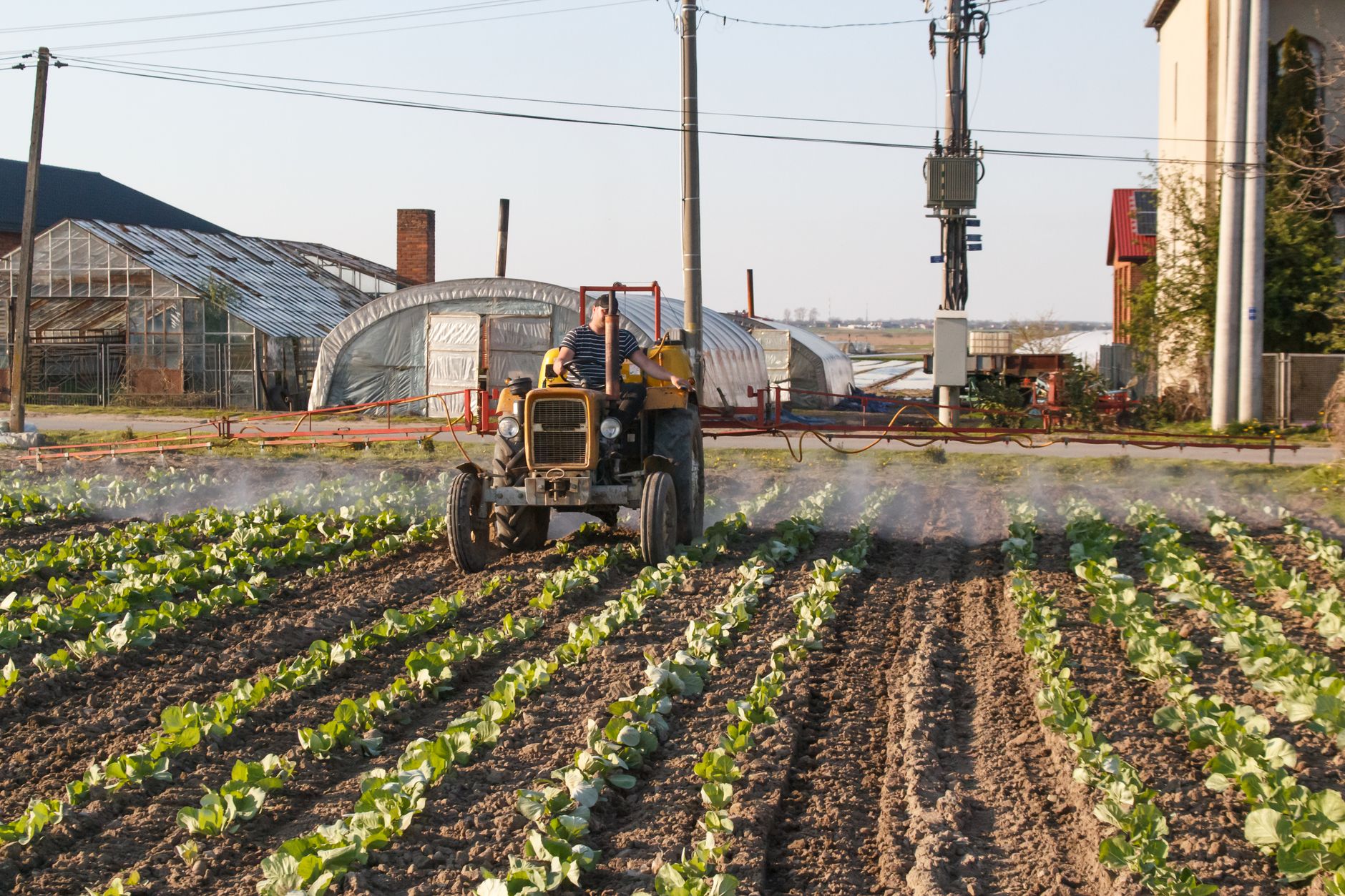
Input optimization represents one of the most immediate economic benefits for modern commercial farms. Precision distribution systems now calculate the exact volume of water, nitrogen, and crop protection products required for individual field segments. By eliminating uniform field spraying, agricultural operations significantly reduce chemical expenses while minimizing environmental runoff into surrounding watersheds.
Spectral imaging technology has become a cornerstone of contemporary crop health management. Specialized cameras mounted on autonomous flight platforms capture light reflection patterns invisible to the human eye, identifying plant stress days before visual symptoms appear. Early detection enables targeted intervention, stopping localized pest infestations or fungal outbreaks before they can compromise entire yield cycles.
Soil biology monitoring has similarly advanced through algorithmic analysis of micro-nutrient movements. Sensors embedded across production acreage track how root structures absorb key minerals under varying temperature conditions. Farms using these diagnostic toolkits report higher fertilizer efficiency ratings, ensuring that applied nutrients directly contribute to biomass growth rather than leaching into lower soil strata.
Water conservation technology is playing an equally critical role in stabilizing agricultural output during prolonged dry spells. Automated irrigation manifolds regulate flow rates based on localized evaporation models, sap flow sensors, and soil matrix tension readings. This targeted hydration approach prevents both drought stress and root rot, preserving plant vigor while cutting overall utility expenditures for large-scale operations.
The financial impact of smart field management extends well beyond the farm gate and into the broader food supply chain. Consistent yield metrics allow agricultural producers to negotiate more favorable forward contracts with wholesale distributors and food processors. Reduced volume volatility helps stabilize spot prices across grocery retail channels and restaurant procurement networks.
Distribution logistics benefit directly from hyper-accurate harvest timing predictions generated by machine learning models. Processing plants can schedule labor shifts and transportation fleets with minimal idle time, eliminating bottlenecks that typically occur during peak harvest weeks. This operational synchronization lowers spoilage rates during transit, ensuring higher quality produce reaches regional distribution centers.
Restaurant procurement managers and food manufacturers are monitoring these technological advancements closely as they rebuild supply chains around climate resilience. Predictable harvest schedules and consistent grade specifications lower food waste in commercial kitchens, directly supporting bottom line margins. As field tech adoption expands, wholesale commodity pricing is expected to demonstrate greater resistance to localized climate disruptions.
Extreme weather patterns pose an unprecedented challenge to traditional open-field agriculture, making predictive software an essential risk mitigation asset. Advanced climate models synthesize decades of local weather data with real-time global atmospheric trends to generate hyper-local risk assessments. Farm operators receive early warnings regarding late spring frosts, sudden heat domes, or heavy precipitation events, allowing them to deploy physical crop covers or adjust harvest schedules accordingly.
Long-term soil health management represents another major focus area for technology-driven field operations. Continuous monitoring tools track carbon sequestration levels and organic matter accumulation under various cover crop regimes. By optimizing cash crop rotation schedules alongside soil restoration practices, farm managers build long-term land value while maintaining steady annual revenues.
Capital investments in precision equipment are increasingly underwritten by agricultural lenders who recognize data driven risk management. Insurance providers frequently offer reduced premium structures to operations that maintain comprehensive digital crop health records. This financial incentive structure is accelerating technology adoption among mid-sized farming operations seeking to remain competitive against consolidated agricultural conglomerates.
For consumers, the widespread adoption of precision farming tech translates directly to greater supply stability and less dramatic price spikes at the retail level. As farms minimize crop loss from pests and weather anomalies, wholesale ingredient supplies remain consistent throughout the calendar year. This supply reliability helps stabilize shelf prices for basic produce staples and manufactured food items alike.
For restaurant operators and food service professionals, data driven agriculture provides much needed predictability for food cost modeling. Consistent crop quality and synchronized harvest schedules mean fewer ingredient substitutions and reduced kitchen waste. Over time, enhanced supply chain efficiency helps hospitality businesses protect menu pricing margins against sudden commodity inflation.
Sources and methodology
Reported from the public datasets below.
More from the Foodie Pundit Newsroom
- The Economics of Easy: How Viral Pasta Salad Hacks Are Reshaping Home Meal Prep
- Classic Century Old Recipe Takes Social Media by Storm as Retro Comfort Food Surges
- Casual Dining Retrenchment Deepens as Regional Chain Shutters 28 Locations
- New York City Bids Farewell to Its Oldest Diner Following Sudden Commercial Eviction
- New York Oldest Diner Forced to Close Counter After 94 Years