Premiumization and Mindful Drinking Reshape Global Adult Beverage Economics
Shift in consumer tastes drives premiumization, complex flavors, and mindful drinking options across global beverage programs.
By Foodie Pundit Newsroom - Published - Section: Beverages
Key points
- Shift toward premiumization leads consumers to spend more on fewer, higher quality drinks.
- Mindful drinking movement drives growth in complex low-proof and zero-proof spirits.
- Ready-to-drink canned cocktails evolve from simple malt beverages to bar-quality recipes.
- Operators leverage sophisticated non-alcoholic options to maintain profit margins.
The adult beverage sector is undergoing a fundamental structural transformation as consumer preferences shift toward higher quality ingredients, complex flavor profiles, and lower alcohol content. According to recent reporting from Forbes India, traditional beer and basic spirits are losing market share to premium, artisanal, and functionally minded alternatives. Operators across the global hospitality landscape are restructuring their beverage programs to capture this evolving demand. The trend reflects a broader cultural realignment where consumers view drinking through the lens of wellness, sensory exploration, and personal lifestyle curation.
For decades, the beverage industry relied on high volume sales driven by standard domestic lagers, commercial wines, and basic well spirits. However, shifting demographics and changing social habits have disrupted this long standing business model. Younger legal age drinkers are consuming less alcohol overall, but they are willing to spend significantly more per serving when they do indulge.
This shift toward premiumization has forced commercial producers and independent venue owners to innovate rapidly. Establishments that fail to offer distinct, high quality beverage options risk losing relevance among an increasingly discerning clientele.
A driving force behind this revolution is the rapid expansion of the mindful drinking movement. Consumers are actively seeking out low alcohol and non alcoholic options that do not compromise on flavor or sophistication. Craft distillers and beverage scientists are utilizing advanced extraction and fermentation techniques to create complex zero proof spirits, botanical aperitifs, and dealcoholized wines.
Forbes India highlights that these products are no longer treated as simple substitutes, but rather as distinct culinary offerings worthy of premium pricing. Restaurants and bars are responding by building dedicated non alcoholic pages into their core menus.
At the same time, flavor profiles within the traditional spirits and RTD, or ready to drink, segments are becoming far more ambitious. Tropical botanical infusions, savory spice elements, and hyper local ingredients are replacing synthetic fruit flavorings. Producers are leveraging ingredients like yuzu, smoke, chili, and floral distillates to craft unexpected tasting experiences.
This shift is particularly evident in the canned cocktail market, which has evolved from simple malt based beverages into sophisticated, bar quality concoctions. Consumers now expect the convenience of a can without sacrificing the integrity of a hand crafted cocktail.
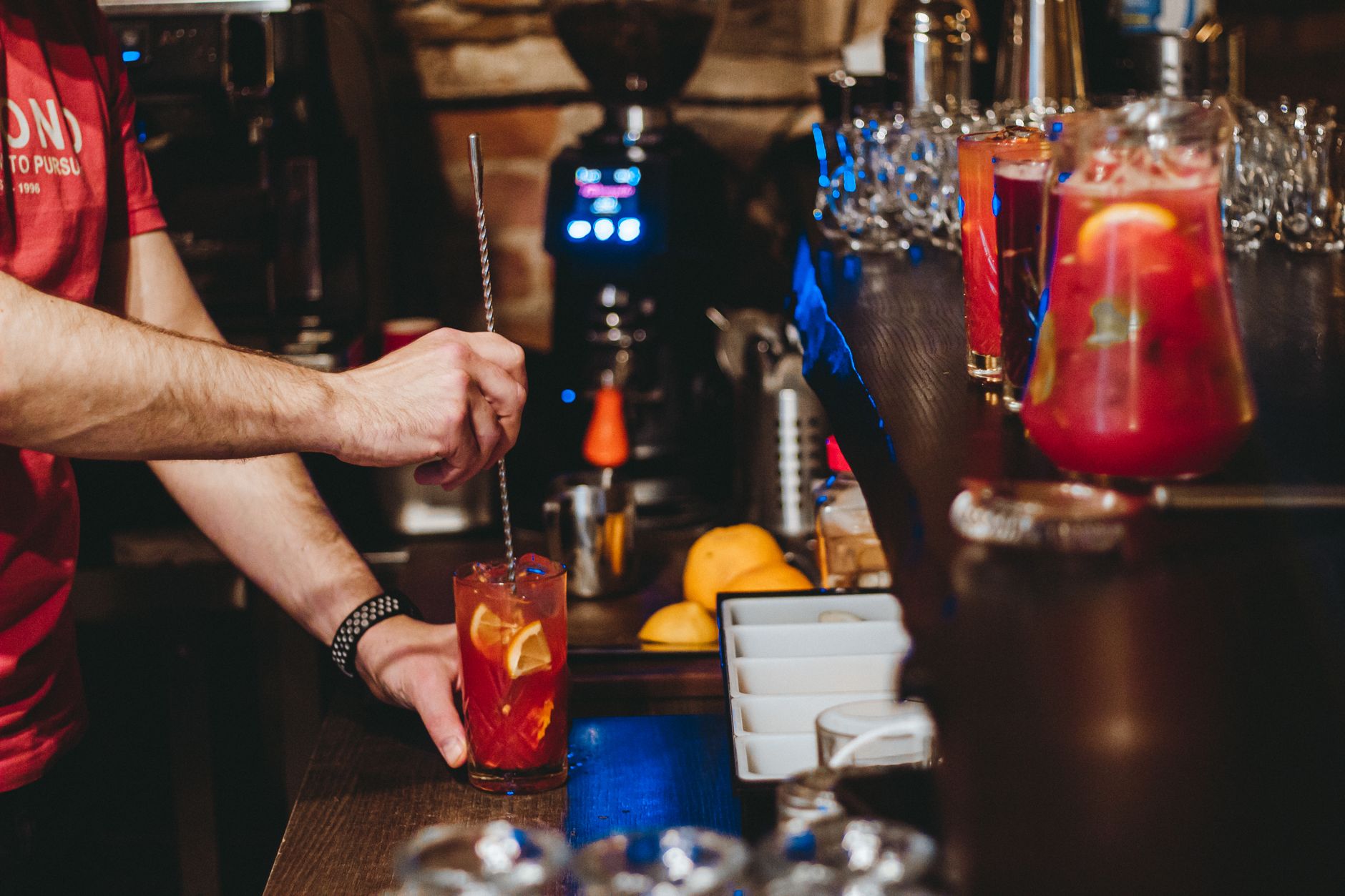
The economic consequences of these shifting consumer habits are profound for bar programs and dining establishments. Standard margins on traditional high volume draught beers and house spirits are under pressure as foot traffic patterns change. To maintain profitability, operators are leaning into high margin specialty cocktails and premium low proof offerings.
A well executed low ABV or non alcoholic cocktail often carries a similar cost of goods sold as a traditional drink, yet commands a comparable retail price point. This dynamic allows operators to maintain strong beverage revenue even as total alcohol volume sales decline.
Inventory management is also becoming increasingly complex as a result of product diversification. Managers must balance stock between traditional categories, functional beverages, artisanal spirits, and perishable botanical mixers. Successful operators are streamlining their beverage menus to focus on versatile, high quality ingredients that can be cross utilized across both alcoholic and non alcoholic offerings. This strategic approach minimizes waste while allowing mixologists to present a varied and dynamic menu that appeals to diverse guest preferences.
THE ROLE OF SUSTAINABILITY AND INGREDIENT TRANSPARENCY
Modern drinkers are paying closer attention to ingredient sourcing, production transparency, and environmental impact. Consumers increasingly demand to know where ingredients originate, how spirits are distilled, and whether packaging materials are recyclable. Distilleries and beverage brands that emphasize organic farming, zero waste production, and fair trade sourcing are gaining a competitive advantage. This push for transparency extends to nutritional content, with clear labeling regarding sugar, calories, and artificial additives becoming a standard expectation rather than a niche selling point.
Furthermore, regionality and local narrative are serving as powerful marketing tools in the premium beverage space. Craft producers are highlighting hyper local grains, native botanicals, and traditional regional production methods to differentiate their products in a crowded marketplace. Venues that feature these local stories on their menus build stronger emotional connections with patrons, driving customer loyalty and supporting higher average check sizes.
As a consumer, the ongoing evolution of the beverage industry means you have access to better tasting, higher quality drinks regardless of your target alcohol intake. You no longer have to settle for sugary commercial mixers or bland non alcoholic alternatives when socialized at restaurants and bars. Hospitality operators are investing heavily in creative mixology and premium ingredients, offering sophisticated flavor combinations that cater to your personal wellness goals and taste preferences.
For industry professionals, adapting to these trends is essential for driving long term revenue growth. Elevating your beverage program with thoughtful low alcohol options, unique flavor pairings, and transparently sourced ingredients will position your business to capture market share among modern drinkers. Embracing this shift allows operators to optimize margins while providing memorable hospitality experiences that keep guests returning.
Sources and methodology
Reported from the public datasets below.
More from the Foodie Pundit Newsroom
- Mindful Drinking Movement Drives Premiumization and Flavor Innovation Across Beverage Sector
- McDonald's Phasing Out Self-Serve Soda Fountains Across United States Locations
- Grocery Inflation Persists as Key Staple Prices Continue Upward Trend
- Persistent High Grocery Bills Represent New Baseline for Consumers as Food Prices Stall
- Why Elevated Grocery Prices Are Here to Stay According to Recent Economic Analysis