Professional Lamination Secrets Elevate Home Bakery Standards
Top pastry chefs share essential lamination techniques and temperature controls for mastering classical French croissants at home.
By Foodie Pundit Newsroom - Published - Updated - Section: Desserts Snacks
Key points
- High fat European style butter is crucial for maintaining distinct structural layers during lamination.
- Strict ambient temperature control prevents butter from melting into the flour matrix.
- Slow fermentation enhances dough elasticity while building complex flavor profiles.
- Steam creation during early baking steps maximizes oven spring and volume expansion.
The traditional French croissant represents one of the most technically demanding challenges in classical viennoiserie. For decades, the precise combination of mechanical lamination, temperature control, and dough hydration remained confined to professional bakehouses and commercial kitchens. Recent reporting from the Evening Standard highlights a growing shift as master pastry chefs share specialized techniques with home bakers seeking shop quality results.
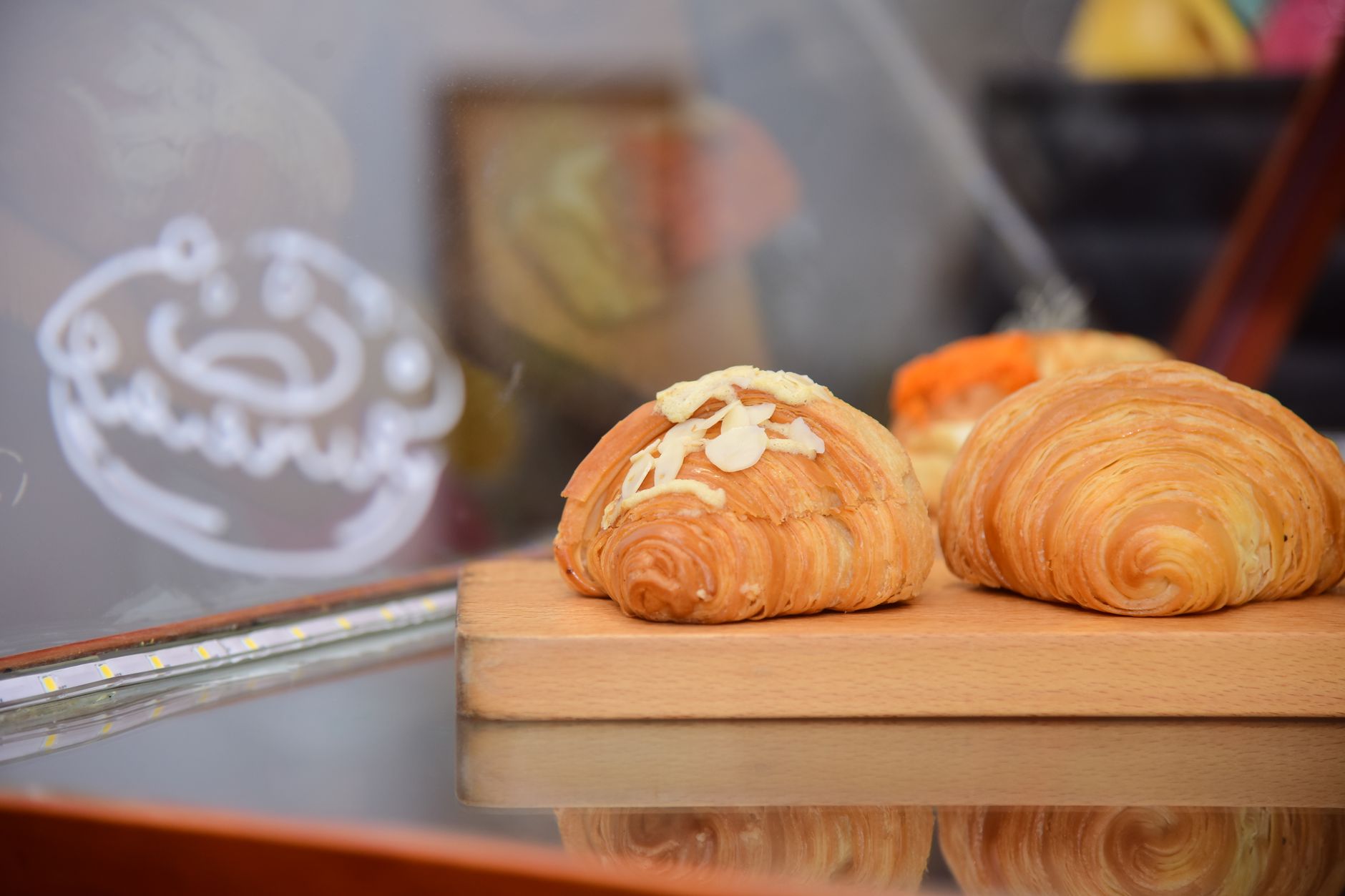
The modern push toward home artisanal baking accelerated significantly over recent years, driving demand for professional grade kitchen equipment and high fat dairy ingredients. As consumer appetites for premium pastries increase, understanding the chemical and mechanical processes behind lamination has become essential for home cooks. The standard croissant relies on alternating layers of fermented yeast dough and butter, a structure that inflates when moisture turns to steam during baking.
Mastering this balance requires strict adherence to environmental controls and ingredient selection. Traditional European recipes favor high fat butter, often containing 82 percent to 84 percent butterfat, which provides the necessary plasticity without melting prematurely. Lower fat alternatives contain higher water ratios, which can ruin the delicate structural layers required for a successful bake.
Temperature management serves as the absolute foundation of successful pastry production. Commercial bakeries maintain specialized climate controlled rooms to prevent butter from softening during the rolling process. Home kitchens present unique challenges, as ambient room temperatures often exceed the melting point of standard milk solids.
Pastry chefs emphasized to the Evening Standard that ambient kitchen climate directly dictates the success of dough lamination. If the butter block becomes too warm, it absorbs directly into the surrounding flour matrix, producing a dense, heavy bread rather than a light, flaky pastry. Conversely, if the fat layer is chilled too aggressively, it shatters into uneven fragments beneath the rolling pin, causing irregular gaps and uneven rising in the oven.
To counteract these environmental variables, professionals advise keeping both the dough and the butter block at matching consistencies. Chilling periods between folds allow gluten strands to relax while keeping the fat layer firm. This precise sequence of folding, resting, and chilling creates dozens of micro layers that define classical viennoiserie architecture.
Beyond temperature control, the fermentation phase plays a critical role in establishing both flavor profile and structural integrity. A long, cool primary fermentation enables wild yeasts and bacteria to break down complex starches, generating subtle organic acids that enhance taste. This slow fermentation also strengthens the gluten network, allowing the dough to stretch thinly without tearing during folding cycles.
The hydration level of the initial dough mix must be calibrated with extreme care. High moisture content creates a supple dough that rolls smoothly, but it increases the risk of sticking and tearing. A lower hydration mix maintains shape effectively, but it requires significantly more physical force to roll out, increasing the likelihood that the internal butter layers will break.
Proper shaping technique is equally vital to final presentation and texture. Chefs note that stretching the cut triangles slightly before rolling helps establish the traditional crescent form while building interior tension. Tight rolling ensures uniform expansion, while avoiding excessive pressure prevents crushing the delicate edge layers.
The transformation from raw laminated dough to finished pastry occurs rapidly inside the oven. High initial heat is crucial to vaporize the water content locked within the butter layers. As this steam expands, it lifts the surrounding dough sheets before the gluten network sets permanently.
Professional ovens utilize steam injection to keep the outer crust supple during the initial stages of baking. Home bakers can simulate this environment using baking stones or placing heavy pans of hot water on the lower oven rack. The steam prevents the surface from drying out too quickly, allowing maximum volume expansion before the exterior turns golden brown.
A brief reduction in oven temperature toward the end of the baking cycle ensures complete internal cooking without burning the delicate outer leaves. Removing croissants too early leads to interior collapse, as unbaked dough traps remaining moisture and flattens the internal honeycomb cell structure. Allowing pastries to cool completely on wire racks sets the crumb structure and secures the crisp exterior.
The rise of home lamination techniques reflects broader economic shifts within the premium food sector. As retail bakery prices reflect rising labor and raw material costs, dedicated consumers are increasingly willing to invest time into home production. Specialty flours, high fat European style butter, and precision rolling equipment have seen expanded retail distribution as a result.
Commercial bakeries must continuously innovate to offer product variations that remain difficult to replicate in standard domestic setups. Hybrid pastries, complex fillings, and specialized sourdough fermentation schedules allow professional operators to justify premium price points. Meanwhile, the democratization of pastry knowledge allows passionate home cooks to bridge the gap between amateur baking and professional standard output.
Achieving professional results in a home kitchen relies far more on process discipline than on expensive equipment. Investing in high quality butter with high fat content provides an immediate improvement in flavor and structural flakiness. Taking time to cool your dough fully between rolling phases prevents the butter from melting into the flour, which is the primary cause of flat or greasy baked goods.
Monitoring your ambient kitchen temperature and using digital thermometers can eliminate much of the guesswork associated with dough handling. Placing ice packs on your work surface or chilling your rolling pin helps maintain optimal conditions even in warmer homes. By respecting the fundamental science of temperature control, fermentation, and steam creation, home bakers can reliably produce shop quality croissants.
Sources and methodology
Reported from the public datasets below.
- Bureau of Labor Statistics (BLS) - Consumer Price Index, food away from home
- U.S. Census Bureau - Monthly Retail Trade, food services
- Bureau of Labor Statistics (BLS) - Consumer Price Index, food away from home
- U.S. Census Bureau - Monthly Retail Trade, food services
- Evening Standard - Nailed It! Croissant Secrets From Pro Bakers Exposed - Aug 2026
More from the Foodie Pundit Newsroom
- A Forgotten Dyson Heater Recall Is Still Threatening Secondhand Buyers
- A Seven-Year East Bay Burger Staple Quietly Closes Its Doors
- The Great Food Label Reboot: Why Your Groceries Just Got a Whole Lot Smarter (and Less Foamy)
- Cape Coral, Is That a Tequila Brand in Your Pocket?
- Fort Lauderdale Is Getting Another Red Sauce Joint