Professional Pastry Chefs Reveal Technical Fundamentals Behind Flaky Laminated Dough
Top pastry chefs explain the fundamental principles of dough lamination, butter temperature, and steam expansion for artisanal baking.
By Foodie Pundit Newsroom - Published - Section: Desserts Snacks
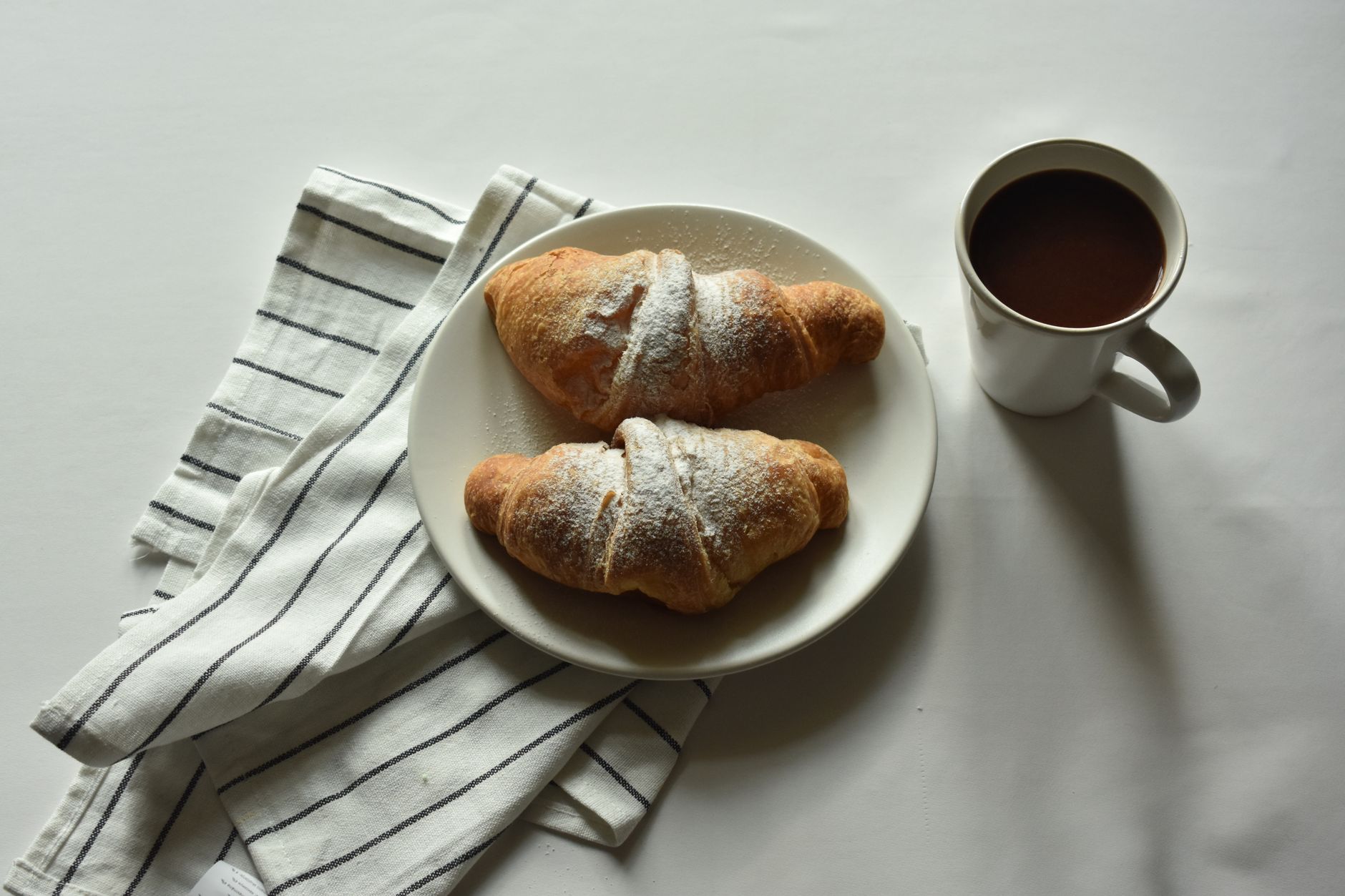
Key points
- Precise butter temperature management between 60 and 65 degrees Fahrenheit prevents fat layers from fracturing or melting.
- Gluten relaxation through mandatory chilling periods between folds protects the internal laminated structure.
- Proofing temperatures must remain strictly below 80 degrees Fahrenheit to prevent butter leakage before baking.
- Initial steam expansion during baking creates the signature honeycomb interior structure.
The resurgence of artisanal viennoiserie has driven home bakers to attempt professional grade pastries in residential kitchens. Commercial bakery operations rely on specialized equipment such as motorized dough sheeters, climate controlled proofing cabinets, and high humidity deck ovens. When pastry chefs pull back the curtain on these operations, they emphasize that success hinges on mastering temperature control, flour selection, and gluten development.
Reporting highlighted by the Evening Standard demonstrates that professional results stem from managing the physical state of the fat layer relative to the surrounding dough. In commercial production, butter is kept within a tight thermal window, usually between sixty and sixty five degrees Fahrenheit. If the butter drops below this threshold, it fractures during rolling, leading to uneven pockets and dense spots. If it grows too warm, the butter melts directly into the flour, turning a laminated structure into a standard brioche paste.
The foundational layer of a classic laminated pastry begins with a simple detrempe, which is the mixture of flour, water, milk, yeast, sugar, and a small amount of fat. Culinary professionals advise using flour with a protein content between eleven and twelve point five percent. High protein bread flour provides the structural integrity needed to hold dozens of distinct butter layers intact during expansion. Low protein cake flour lacks the gluten network necessary to trap steam, leading to flat finished goods.
Hydration levels in the base dough must match the plasticity of the butter block. If the dough is too wet, it will absorb the butter layer during the initial fold sequence. If the dough is too stiff, rolling it out requires excessive pressure, which ruptures the delicate internal sheets. Professional bakers stress that chilling the detrempe thoroughly before introducing the butter block is an absolute requirement for clean lamination.
Lamination requires folding butter into the dough to create alternating layers of fat and flour. Bakers typically choose between single letter folds and double book folds depending on their desired final texture. A standard three fold sequence yields twenty seven theoretical layers of butter, which is the traditional target for light honeycomb interiors. Over folding compresses the layers, causing the fat to blend into the dough and destroying the signature flake.
Resting periods between folds are just as critical as the rolling technique itself. Every pass through a rolling pin agitates the gluten matrix, causing the dough to contract and spring back. Professional operations mandate a chill period of thirty to forty five minutes in the refrigerator between turns. This rest relaxes the gluten network and lowers the temperature of the butter, preventing the layers from smearing under the force of the pin.
PROOFING ENVIRONMENT AND TEMPERATURE THRESHOLDS
The proofing stage represents the most delicate phase of the entire baking process. During this step, the yeast ferments, producing carbon dioxide gas that inflates the dough structure, while steam generation during baking finishes the job. However, the ambient temperature during proofing must remain strictly below the melting point of the butter block. Most commercial butter melts around eighty two degrees Fahrenheit, so proofing chambers are set between seventy six and seventy eight degrees.
If a home kitchen or commercial bakery exceeds this critical temperature threshold, butter will leak out of the laminated sheets and pool at the bottom of the baking pan. This loss of integrated fat ruins the honeycomb structure, leaving the pastry heavy, oily, and undersized. Professional chefs advise looking for a gentle wobble in the unbaked pastries to confirm they are properly proofed before entering the oven.
The final transformation of laminated dough takes place inside a high heat baking environment. Initial blast heat, typically set between three hundred and seventy five to four hundred degrees Fahrenheit, causes rapid steam expansion from the moisture trapped within the butter layers. This steam pushes the gluten sheets apart, creating the lofty rise and hollow interior air cells that define high quality pastries.
Commercial deck ovens often utilize steam injection during the first few minutes of the bake to keep the outer crust pliable, allowing maximum volume expansion before set. For residential setups, bakers simulate this by placing heavy cast iron pans on the bottom shelf to generate instant moisture. Proper baking continues until the exterior reaches a deep mahogany brown, which indicates full caramelization of the sugars and complete cooking of the interior dough walls.
For retail consumers and home baking enthusiasts, understanding professional pastry mechanics highlights why artisanal bakery prices have risen in recent years. High quality laminated pastries require premium high fat butter, precise temperature controlled production environments, and significant labor time. A single batch of professional grade viennoiserie often spans a full twenty four to forty eight hour production cycle from initial mixing to final bake.
Recognizing these technical demands helps consumers evaluate the true cost of commercial bakery goods. When you buy a handcrafted croissant, you pay for specialized ingredients, extensive labor hours, and technical skill rather than simple raw commodities. Bringing these professional techniques into a home kitchen can reduce waste, improve baking yields, and yield superior results without the need for industrial equipment.
More from the Foodie Pundit Newsroom
- Michelin Guide Expands Star Footprint Across Major Asian Culinary Destinations
- Asian Dining Destinations See Surge in Economic Activity as Michelin Expands Regional Footprint
- Michelin Expansion Across Asia Reshapes Regional Dining Economics and Travel Patterns
- Michelin Bump Triggers Reservation Frenzy Across New York Dining Scene
- Michelin Awards New Stars Across New York Triggering Reservation Rush And Economic Shifts