Professional Pastry Chefs Reveal Technical Standards for Flaky Home Croissants
Top pastry chefs are sharing precise thermal control and lamination techniques that allow home cooks to replicate bakery-quality pastries.
By Foodie Pundit Newsroom - Published - Section: Desserts Snacks
Key points
- Temperature control remains the primary barrier to successful lamination in non-commercial kitchens.
- European-style butter with higher fat content is essential for flexible and non-brittle butter blocks.
- Over-proofing or overheating laminated dough causes premature melting and loss of distinct flaky layers.
- Initial high heat during baking generates rapid steam, establishing the internal honeycomb structure.
Professional pastry techniques are shifting from commercial kitchens directly into home spaces. For decades, the intricate process of creating classic laminated dough was viewed as an exclusive domain of high-end bakeries. Specialized equipment like commercial dough sheeters and climate-controlled proofing cabinets created a significant barrier for casual enthusiasts.
That dynamic is changing as expert bakers share precise methodology designed for residential kitchen setups. Recent reporting from the Evening Standard highlights a growing movement of professional chefs demystifying technical baking skills for everyday cooks.
Understanding the mechanics of viennoiserie requires a close look at ingredients and physical forces. A standard croissant relies on a basic foundation of flour, water, yeast, milk, sugar, and salt. However, the true complexity lies in the manipulation of solid fat within the dough matrix.
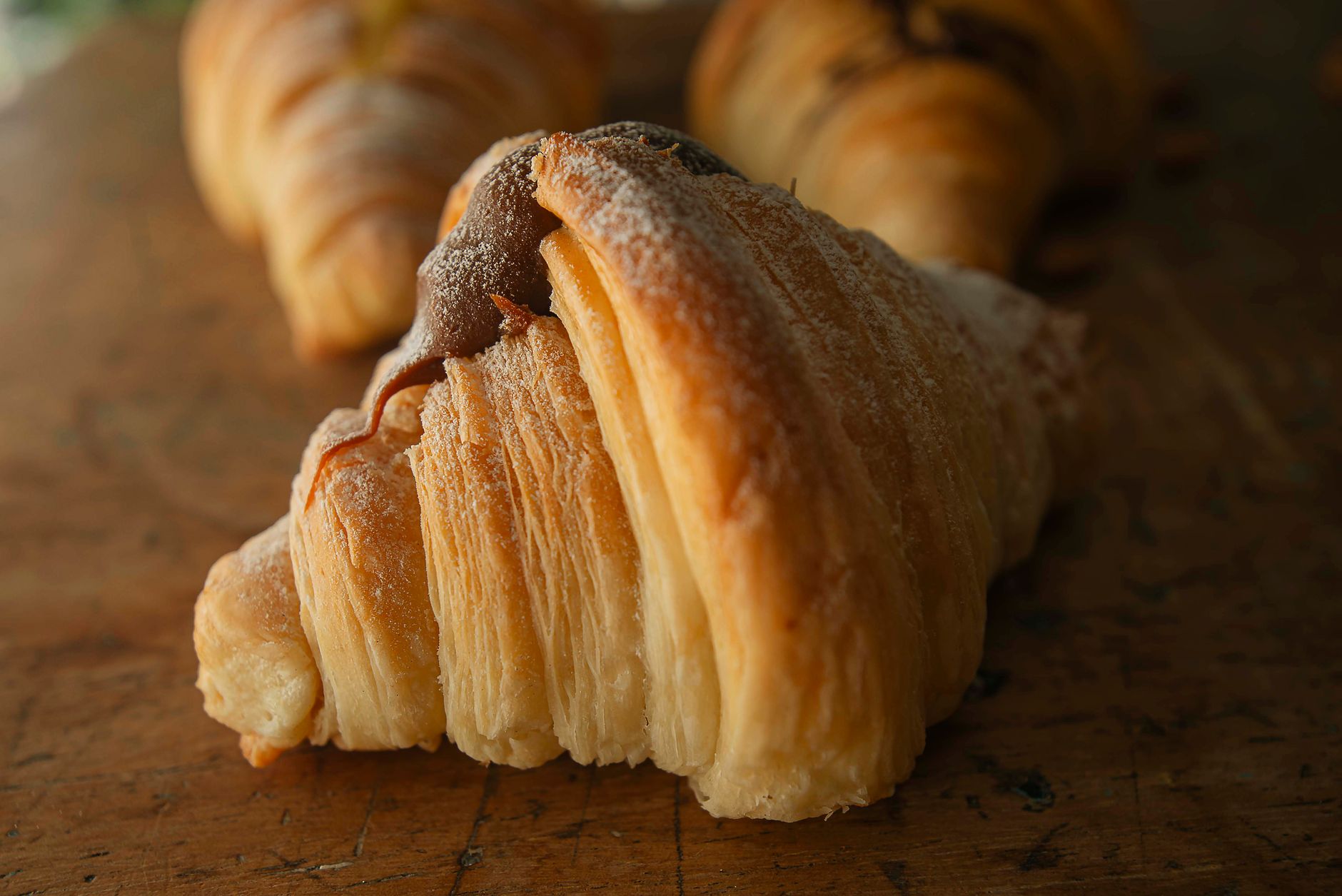
When butter and dough are layered together through a series of precise folds, they form hundreds of distinct sheets. During the baking process, the moisture within the butter converts to steam, expanding the layers apart while the fat cooks the flour walls, yielding a light and cellular crumb structure.
TEMPERATURE MANAGEMENT IN THE HOME KITCHEN
Thermal control represents the most critical variable when attempting professional pastry work without industrial cooling systems. Commercial facilities maintain ambient room temperatures well below standard comfort levels to prevent fat from melting during rolling. Home bakers must adapt by using cold workspace surfaces and introducing deliberate chilling intervals between folds.
If the butter becomes too warm, it absorbs directly into the flour, resulting in a dense brioche texture rather than distinct flaky layers. Conversely, if the butter is too cold, it breaks into brittle fragments that tear through the dough walls.
Selecting the appropriate fat content is another foundational step emphasized by industry veterans. Standard American supermarket butter typically contains around eighty percent milkfat, leaving the remaining volume as water and milk solids. European-style options generally offer a higher fat percentage, often reaching eighty-two to eighty-four percent.
This lower moisture content provides greater plasticity, allowing the fat block to bend and stretch without breaking under pressure. Maintaining a uniform consistency between the butter block and the detrempe dough is vital before starting the lamination sequence.
The physical process of folding dough requires spatial awareness and measured physical force. Bakers generally utilize two primary folding styles, known as the simple envelope turn and the double book turn. Executing three simple turns yields twenty-seven distinct butter layers, which is considered the standard standard for classic viennoiserie.
Over-folding the dough creates overly thin layers that can fuse together, while under-folding produces greasy pockets and uneven rising. Rolling pins should be applied with even, downward pressure from the center outward to ensure uniform thickness across the entire sheet.
Proofing presents another technical hurdle where patience yields superior results. Once shaped into traditional crescents or straight cylinders, the unbaked pastries require a warm, humid environment to activate the yeast. The ideal temperature range for proofing laminated dough sits comfortably between seventy-eight and eighty-two degrees Fahrenheit.
Exceeding this threshold will cause the embedded butter layers to melt before the yeast creates sufficient gas to expand the structure. Properly proofed pastries should jiggle gently when the tray is moved and display visible separation along the exposed edges.
Heat application within the oven transforms the cold, delicate dough into a golden, crisp structure. Professional ovens utilize deck heating or steam injection to promote maximum rise during the initial minutes of cooking. Home bakers can replicate these conditions by preheating heavy baking stones or using upside-down sheet pans to hold thermal energy.
A high initial baking temperature triggers rapid steam generation, expanding the trapped air pockets before the outer crust sets permanently. Lowering the heat mid-way through the baking cycle ensures the interior cooks thoroughly without scorching the exterior.
Glazes and finishing touches contribute to both visual appeal and structural integrity. A simple egg wash applied before baking provides a deep mahogany color and a shiny finish. Applying the wash with a soft brush requires extreme care to avoid pooling liquid along the cut edges, which can seal the individual layers together and restrict expansion. Allowing the finished pastries to cool completely on wire racks allows internal steam to escape, solidifying the delicate crust and settling the internal honeycomb structure.
The democratization of professional pastry techniques allows consumers to achieve artisan results without purchasing expensive commercial hardware. Understanding the underlying science of fat lamination, dough temperature, and moisture management reduces failure rates for ambitious home cooks. As interest in traditional food preparation grows, access to high-fat European-style dairy products at local grocery stores continues to expand. Mastering these fundamental principles empowers individuals to evaluate bakery quality with a sharper eye while enjoying fresh, professional-grade baked goods in their own dining rooms.
Sources and methodology
Reported from the public datasets below.
More from the Foodie Pundit Newsroom
- Summer Dessert Trends Shift Toward Experiential Dining and Global Flavors
- Summer Dessert Trends Shift Toward Global Flavors and Hybrid Formats
- General Mills Reports Strong Revenue Surge Driven by Cereal and Snack Demand
- Artisan Bakery Chains Face Abrupt Closures as Retail Margins Collapse
- Whole Foods House Brands and Prepared Meals Drive Retail Profitability