Professional Pastry Chefs Unveil Technical Secrets Behind Elite Croissant Lamination
Leading pastry chefs reveal the precise thermal and mechanical techniques required to produce flaky, high-margin artisanal croissants.
By Foodie Pundit Newsroom - Published - Updated - Section: Desserts Snacks
Key points
- European-style butter with 82 percent or higher butterfat is essential for maintaining distinct dough layers and preventing steam loss.
- Strict ambient temperature control below 68 degrees Fahrenheit prevents fat integration during the folding process.
- Blended flours targeting an 11.5 percent to 12.5 percent protein content balance extensibility with necessary structural strength.
- Extended cold fermentation periods of up to 24 hours reduce dough elasticity issues and enhance final flavor profiles.
Commercial bakeries and artisanal pastry shops operate on thin profit margins that depend heavily on consistency, ingredient control, and mechanical efficiency. For years, professional bakers kept their lamination techniques proprietary to maintain a market advantage over home kitchens and small-scale operations. Recent disclosures from leading pastry chefs, originally highlighted by Evening Standard, reveal that achieving elite croissant structure relies on precise thermal management and chemical interactions rather than secret ingredients. By analyzing these commercial methods, observers can better understand the shifting economics of specialty baked goods and artisanal food production.
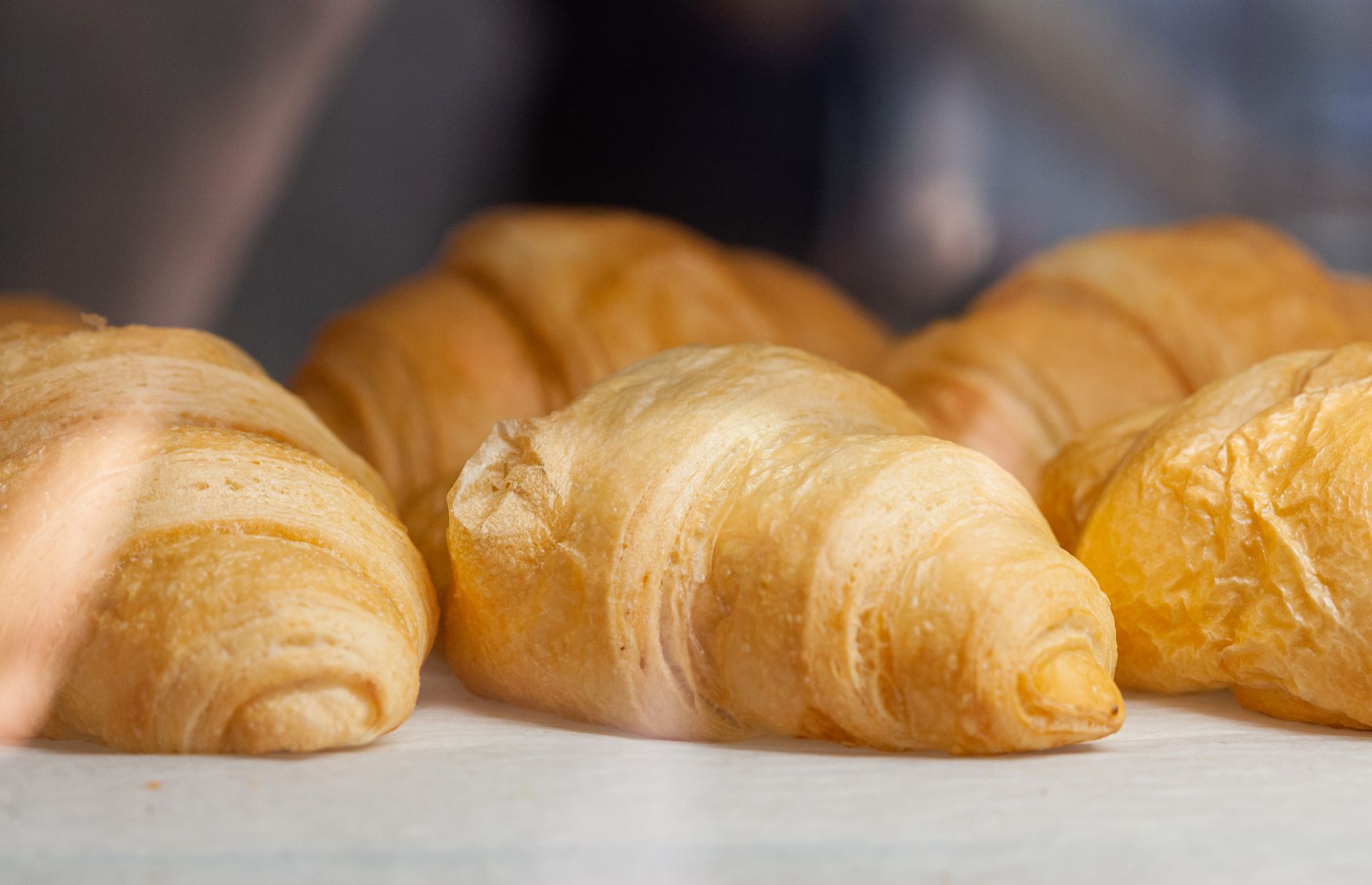
The foundational structure of a laminated pastry relies on alternating layers of lean dough and solid fat. When heated inside a deck oven, the water content within the butter vaporizes into steam, forcing the surrounding flour dough layers upward before the starches set. Professional operations utilize heavy mechanical sheeters to compress dough and butter blocks to exact millimeter tolerances. Home bakers without industrial machinery often struggle with butter fracture or melting, which ruins the structural integrity of the final product.
Temperature regulation remains the most critical variable in the entire production timeline. Commercial kitchens maintain ambient room temperatures below 68 degrees Fahrenheit to prevent the butter from reaching its melting point during the folding process. If the fat softens too much, it absorbs directly into the flour matrix, resulting in a dense, brioche-like loaf rather than distinct, flaky leaves. Conversely, if the butter becomes excessively chilled, it breaks into uneven shards that puncture the dough walls and allow internal steam to escape prematurely during baking.
High-volume pastry production relies on precise raw material specifications to guarantee uniform yield. Bakers prioritize European-style cultured butter with a minimum butterfat content of 82 percent to 84 percent. Lower-fat commodity domestic butter contains higher moisture levels, which introduces excess water into the dough matrix and disrupts the precise balance required for crisp lamination. The lactic acid present in cultured butter also imparts a distinct tangy flavor profile that consumers associate with premium bakery offerings.
Flour selection requires a calculated compromise between structural strength and extensibility. High-protein bread flour provides a robust gluten network capable of trapping expanding steam, but it can make the dough overly elastic and difficult to roll out thin. Many commercial bakeries blend high-protein flour with lower-protein pastry flour to achieve a protein content of roughly 11.5 percent to 12.5 percent. This precise balance allows the dough to stretch without snapping back, while retaining sufficient tensile strength to support dozens of micro-layers.
In the modern wholesale and retail bakery landscape, time represents one of the largest labor and operational costs. Achieving optimal gluten relaxation and flavor development requires extended cold fermentation periods ranging from 12 to 24 hours. During this resting phase, yeast produces subtle organic acids and enzymatic reactions break down complex carbohydrates into simple sugars. This slow process improves dough handling characteristics while deepening the overall aromatic profile of the finished baked goods.
Shortcutting the rest periods between folds introduces significant defect rates in commercial production. When dough is forced through folds without adequate relaxation, the internal gluten threads snap, causing uneven expansion and dense pockets within the crumb structure. Professional pastry chefs emphasize that patience during cold storage yields consistent honeycombing, which directly impacts consumer perception and secondary pricing power in high-end retail markets.
The final stages of croissant preparation require strict environmental controls that mirror industrial fermentation chambers. Proofing must occur in a humid environment held at roughly 75 to 78 degrees Fahrenheit. Exceeding this temperature threshold causes the internal butter block to liquefy before the yeast finishes its expansion, resulting in a pool of leaked grease at the base of the baking tray. Proper proofing concludes when the pastry displays a characteristic gentle wobble and clearly visible raw lamination lines along its flanks.
Baking dynamics require an initial burst of intense, radiant heat to trigger rapid steam generation before the outer crust sets completely. Industrial deck ovens utilize steam injection during the first few minutes of the baking cycle to keep the exterior dough supple, allowing maximum volumetric expansion. The oven temperature is subsequently lowered to allow thorough heat penetration, caramelizing the natural sugars and browning the outer shell without burning the delicate interior structures.
For retail consumers, understanding the technical rigor behind artisanal pastry making clarifies why premium croissants carry higher price points at modern bakeries. Labor-intensive lamination, extended refrigeration cycles, and high-fat European butter drive up the marginal cost of production compared to standard industrial breads. Consumers who choose to bake at home can leverage these commercial insights to eliminate common mistakes, such as butter leakage or dense interiors, by managing kitchen temperatures and investing in higher-grade ingredients.
As retail bakeries face rising butter commodity prices and higher energy expenditures for climate-controlled kitchens, operational efficiency remains vital. Establishments that master consistent lamination techniques minimize food waste and maintain stable margins despite fluctuating market conditions. By observing how professional methods translate to smaller scales, consumers gain a broader appreciation for the intersection of culinary science, agricultural commodities, and modern restaurant economics.
Sources and methodology
Reported from the public datasets below.
More from the Foodie Pundit Newsroom
- Asda Cuts Shelf Prices on Over 200 Everyday Staples to Ease Household Budgets
- Something Big Is Cooking In Orlando, But What Is It?
- New York City Michelin Stars Map Shifting Fine Dining Economics
- Restaurant Insolvencies Rise as Cost Pressures Squeeze Legacy Dining Chains
- Corteva Inks $85M Settlement With Farmers Over Pesticide Monopoly Claims