Raleigh Downtown Core Embraces All Day Hybrid Dining Model
A new all day downtown venue highlights how hybrid hospitality concepts are driving retail recovery and changing consumer habits in North Carolina capital.
By Foodie Pundit Newsroom - Published - Section: Restaurants
Key points
- Downtown Raleigh sees continued commercial investment with the opening of a flexible all day hospitality destination.
- Hybrid venues operating from morning coffee through late night drinks offer improved real estate efficiency and stable revenue streams.
- The model caters directly to modern hybrid work patterns and growing downtown residential density.
- Elevated pub cuisine paired with specialized beverage programs meets shifting consumer preferences for high quality casual dining.
DOWNTOWN RALEIGH REAL ESTATE TRANSFORMATIONS
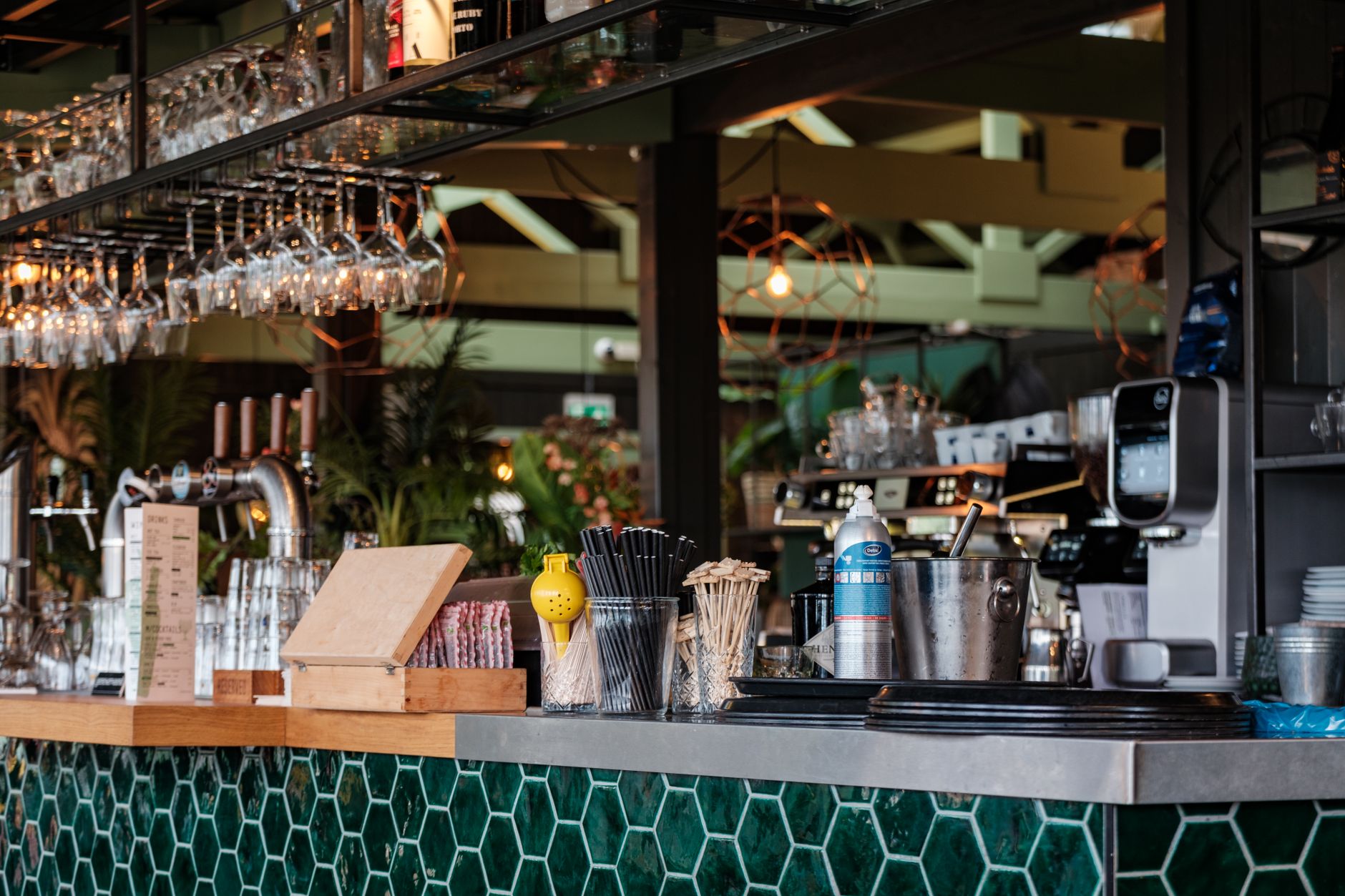
The evolution of downtown Raleigh has reached another critical milestone as new multi-use concepts continue to reshape the city urban core. A newly launched hospitality destination in the center of the city is attempting to bridge the gap between morning coffee routines and late night social hours. By combining an espresso bar, a full service kitchen, and an ambitious cocktail program under one roof, the project reflects a growing trend across mid-sized American cities. Local reporting from ABC11 Raleigh-Durham highlights how developers and operators are increasingly turning toward all-day retail formats to maximize valuable square footage.
This modern hybrid model addresses several key economic pressure points currently facing downtown commercial districts. Traditional restaurants often struggle with high overhead costs during off-peak hours, particularly between breakfast service and late afternoon happy hours. By establishing a continuous operational model that attracts foot traffic from early morning until late evening, operators can spread fixed rent and utility expenses across a much broader revenue timeline. The new venue aims to capture downtown office workers seeking morning caffeine, remote workers needing midday space, and evening dinner crowds looking for high quality pub fare.
The shift toward all day dining and drinking spaces represents a pragmatic response to post pandemic work patterns. With hybrid work schedules now deeply entrenched in the Triangle area, traditional lunch rush hours have become far less predictable for urban operators. Spaces that rely solely on conventional corporate lunch crowds or weekend dinner rushes face significant revenue volatility throughout the week. By offering flexible seating, strong wireless internet, and transitioning menu items, hybrid venues establish themselves as community third places rather than single purpose dining rooms.
From an operational standpoint, running an all day venue requires intricate staffing and supply chain choreography. Baristas, prep cooks, mixologists, and service workers must coexist within overlapping shift schedules to ensure smooth operational handoffs. Menus must also be carefully curated to utilize shared ingredients across morning pastries, casual afternoon bites, and upscale evening pub meals. ABC11 Raleigh-Durham notes that the versatility of the culinary program allows the venue to remain dynamic, adjusting its atmosphere from a bright cafe at noon to an intimate lounge by nightfall.
The opening of major retail and dining projects signals ongoing confidence in Raleigh downtown commercial sector. Over the past decade, municipal leaders and private real estate investment groups have focused heavily on enhancing pedestrian infrastructure, expanding residential density, and recruiting unique local businesses. Bringing high energy gathering spaces into former vacant or underutilized storefronts helps generate critical foot traffic for surrounding retailers. Urban planning experts frequently point to beverage and food destinations as essential anchor tenants for downtown vitality.
As more residential apartment towers open within walking distance of the core, the demand for accessible neighborhood amenities has surged significantly. Residents living in dense urban apartments often seek neighborhood living rooms where they can gather without traveling far from home. A central venue offering casual pub grub alongside elevated cocktail offerings satisfies a distinct consumer demand for accessible luxury without strict formal dining constraints. Industry analysts suggest that cities maintaining strong local hospitality scenes are far better positioned to attract top tier corporate talent and corporate investment.
BEVERAGE TRENDS AND LOCAL CONSUMER DEMAND
The beverage program at Raleigh newest hangout reflects broader national shifts toward craft beverage diversification. Consumers are increasingly expecting higher standards from both their morning coffee and their evening drinks, driving operators to invest in specialized equipment and trained personnel. Combining specialized third wave coffee culture with high level mixology allows a single business to build brand loyalty across multiple consumer demographics. This dual focus keeps the venue competitive in a crowded regional market that already boasts numerous standalone coffee shops and independent cocktail bars.
Furthermore, the emphasis on elevated pub food addresses a growing appetite for comforting, high quality casual food options. Rather than competing directly with white tablecloth establishments, modern urban bars are focusing on perfected classic comfort dishes crafted with local produce and premium proteins. This strategy yields strong profit margins while remaining accessible during economic downturns when consumers cut back on fine dining. By offering high utility and strong experiential value, the Raleigh development underscores how modern hospitality concepts can successfully adapt to changing urban lifestyles.
For local residents and downtown commuters, the arrival of versatile all day venues provides greater flexibility for remote work, social outings, and casual dining. Having a singular location that adapts to different needs throughout the day reduces the friction of urban living, offering a reliable gathering spot whether you need a quick morning espresso or a late night dinner spot.
For restaurant industry professionals and urban planners, this launch serves as a case study in maximizing commercial real estate efficiency through hybrid operations. As downtown districts continue adapting to shifted workforce habits, businesses that diversify their offerings and optimize daily foot traffic will likely define the future of retail hospitality in growing metro regions.
Sources and methodology
Reported from the public datasets below.
More from the Foodie Pundit Newsroom
- Fake Fish Is Ready for Prime Time as Restaurant Seafood Prices Soar
- Inside the Supply and Demand Mechanics Driving New York City's Most Scarcity Driven Dining Hotspots
- Manhattan Dining Scene Sees Massive Surge in Reservation Demand for Top Tier Venues
- Inside the High Stakes Economics of the World Top 50 Restaurant List
- Legacy Fast Food Chains Accelerate Store Closures as Real Estate Costs Rise