Raleigh Unveils All-Day Hospitality Destination to Anchor Downtown Commercial Growth
A fresh multi-use hospitality venue in downtown Raleigh blends morning coffee culture with evening craft cocktails and pub grub.
By Foodie Pundit Newsroom - Published - Section: Coffee Cafes
Key points
- Downtown Raleigh hospitality operators are increasingly adopting hybrid, all-day business models to maximize revenue across morning, afternoon, and evening hours.
- The venue features a broad food and beverage strategy combining local espresso, craft beer, specialty cocktails, and elevated pub dining.
- Adaptive real estate strategies allow hybrid venues to act as urban anchors, boosting street-level foot traffic and local economic vitality.
- Cross-trained labor and flexible point-of-sale technology allow operators to mitigate rising downtown overhead expenses.
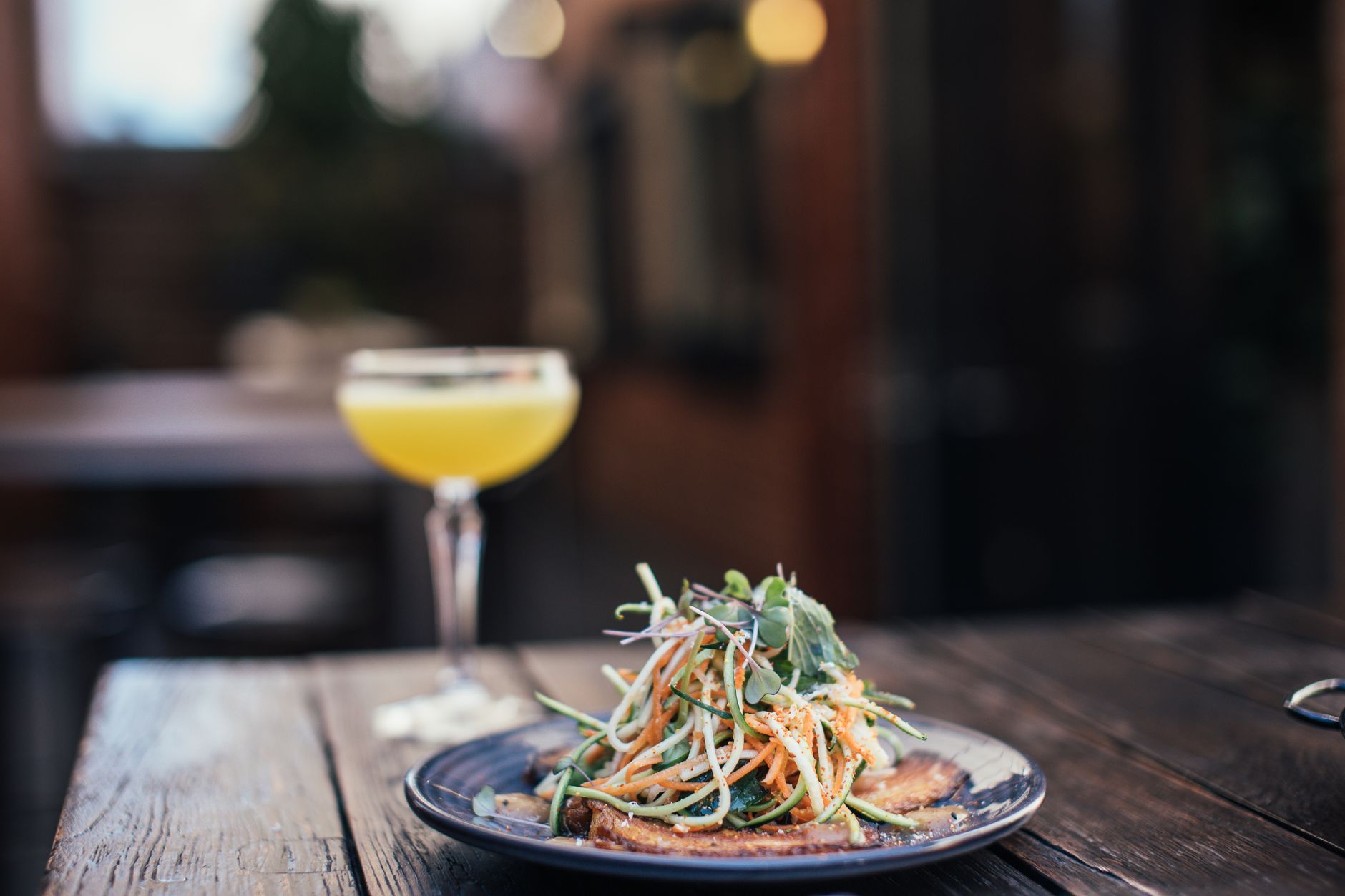
Downtown Raleigh is witnessing a significant evolution in its retail and hospitality ecosystem as hospitality operators pivot toward versatile, multi-use concepts. A newly launched downtown destination is captivating local diners by bridging the gap between early morning coffee service and late-night social gatherings. Reported initially by local outlet ABC11 Raleigh-Durham, the fresh establishment offers an expansive menu featuring high-end pub fare, specialized craft cocktails, and artisanal espresso beverages. This integrated approach reflects a broader structural shift within urban center dining models across North Carolina.
The traditional separation between morning cafes and evening bars is rapidly blurring in modern metropolitan corridors. Urban real estate costs in vibrant downtown districts require operators to maximize revenue per square foot throughout the entire operating day. By offering daytime remote work amenities alongside evening entertainment options, hybrid spaces secure steady foot traffic across multiple dayparts. Industry analysts view this model as an essential hedge against fluctuating office attendance and changing consumer spending habits.
The physical layout of downtown Raleigh has transformed rapidly over the last decade, driven by corporate relocations and residential high-rise construction. As more residents inhabit the city core, demand for walk-in gathering spaces that cater to various daily routines has reached an all-time high. Hospitality groups are converting historical or vacant commercial spaces into flexible dining halls and neighborhood hangouts. These venues rely heavily on open architectural layouts, industrial design elements, and fluid indoor-outdoor seating to maximize capacity.
Foot traffic patterns in middle-tier metropolitan markets demonstrate that consumers favor venues offering high utility without requiring multiple reservations throughout the day. A professional may conduct a morning meeting over coffee, return for a casual lunch, and remain for evening cocktails with colleagues. By capturing all three transactions under one roof, the venue reduces customer acquisition costs while deepening neighborhood brand loyalty.
Serving high-quality food and beverage products across an sixteen-hour operational window presents distinct inventory and staffing challenges. To remain profitable, hybrid venues rely on streamlined kitchen operations that cross-utilize high-margin ingredients across morning, afternoon, and evening menus. Breakfast pastries and lunch sandwiches often share prep space with evening pub grub like elevated burgers, specialty fries, and shareable small plates.
Craft beverage programs are similarly optimized to maintain speed of service while preserving artisanal appeal. Coffee bars feature locally roasted beans and seasonal syrups that can also be repurposed into signature evening cocktails, such as espresso martinis or cold-brew old fashioneds. On the tap side, partnerships with regional North Carolina breweries ensure a rotating selection of local beers that appeal to both tourists and resident enthusiasts.
OPERATIONAL EFFICIENCY AND LABOR STRATEGIES
Operating a seamless, all-day venue requires sophisticated labor management strategies to manage overhead expenses. Cross-training staff members to execute both barista duties and bartending roles allows management to adjust labor hours dynamically based on real-time patron volume. During peak morning rushes, labor focuses on counter service and rapid beverage turnover, while evening service transitions toward traditional table service and high-margin cocktail mixology.
Point-of-sale technology plays a critical role in supporting these dual operations. Modern digital ordering systems allow guests to switch between counter service app ordering during the daytime and full-service tabs at night. This technical flexibility lowers operational friction, shortens ticket times, and allows smaller service teams to manage high patron volumes effectively without compromising hospitality standards.
ECONOMIC IMPLICATIONS FOR URBAN REAL ESTATE
Commercial real estate developers in Raleigh are increasingly seeking out anchor hospitality tenants that generate foot traffic outside standard office hours. Traditional corporate lunch spots often sit dark after five in the afternoon, while late-night nightclubs remain empty during daylight hours. A hybrid venue resolves this vacancy issue, bringing consistent vitality to streetscapes and increasing the perceived value of surrounding residential and commercial properties.
Municipal leaders and downtown advocacy groups view these multi-functional spaces as crucial components of urban revival efforts. By encouraging longer dwell times and continuous street-level activity, hybrid venues contribute directly to municipal sales tax revenues and local employment opportunities. The success of this business model in Raleigh serves as a blueprint for secondary and tertiary cities attempting to revitalize their downtown cores post-pandemic.
For local consumers and urban workers, the arrival of all-day hybrid venues provides unprecedented flexibility for work and leisure. You no longer need to migrate between separate establishments to transition from a morning coffee meeting to an evening social gathering with friends. Having a reliable third place that adapts to your schedule simplifies downtown navigation and enhances local community connection.
From an economic perspective, supporting multi-use hospitality spots helps build a more resilient local food economy. These venues create durable, full-time culinary jobs with varied shift options rather than relying exclusively on part-time weekend labor. As more developers prioritize integrated dining concepts, residents can expect higher quality local offerings, improved urban amenities, and more vibrant street-level neighborhood culture.
Sources and methodology
Reported from the public datasets below.
More from the Foodie Pundit Newsroom
- Walmart and Target Redesign Grocery Operations to Win Over Generation Z
- Upscale Grocers Find Massive Growth in Private Label Brands and Prepared Meals
- Whole Foods Swapouts and Hot Bar Hacks Are Fueling the Grocer's Biggest Growth Engine
- Kroger Expands Express Delivery Footprint Across Four New States
- Kroger Expands Instant Grocery Delivery Service into Four Additional States