Regional Farmers Markets Reshape Agricultural Distribution and Retail Economics
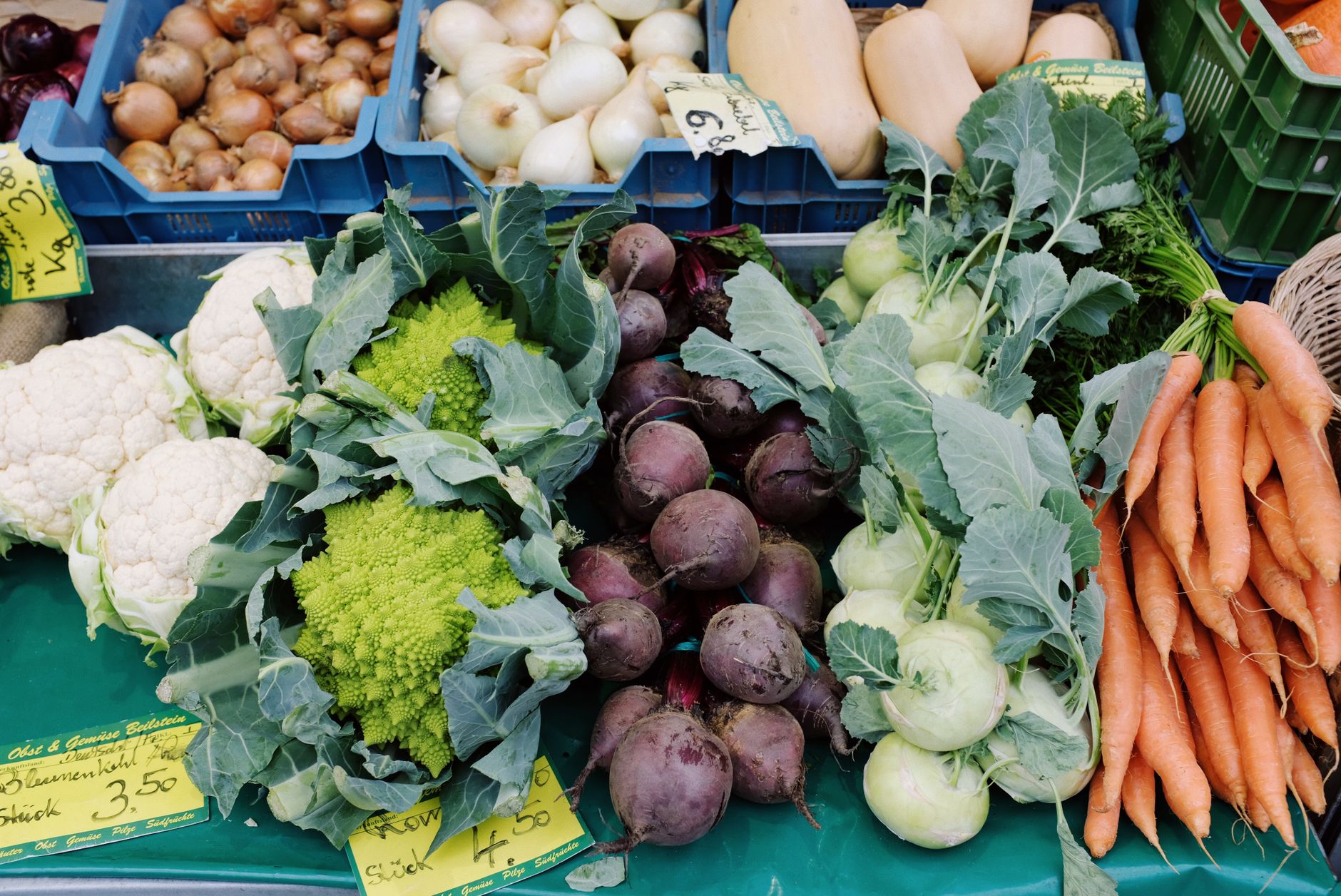
A shift toward regional food markets in the Hudson Valley offers consumers peak freshness while building supply chain resilience for local growers.
By Foodie Pundit Newsroom - Published - Updated - Section: Chain Watch
Key points
- Direct agricultural sales eliminate middlemen, allowing regional farmers to retain a much higher share of food expenditures.
- Local food supply networks provide vital security against global logistics failures and fuel price fluctuations.
- Temporary market hubs serve as crucial low-overhead incubators for small-batch artisanal food entrepreneurs.
- Spending at local community markets creates an economic multiplier effect that benefits surrounding retail districts.
The local food supply chain across New York State is experiencing a noticeable pivot as consumer preferences lean heavily toward regional, direct-to-consumer agricultural networks. Reporting from Lohud.com underscores a growing trend throughout the Hudson Valley, where community members are increasingly bypassing traditional supermarket aisles in favor of regional producers. This behavioral migration is driven by a desire for peak seasonal freshness, greater supply chain transparency, and direct support for local agricultural economies. For independent farmers and artisanal food producers, direct market channels offer a vital financial lifeline amidst rising commercial retail pressures.
Supermarkets often rely on complex, long-distance logistics that can degrade produce quality and artificially inflate retail markups due to intermediate handling costs. By contrast, regional food networks reduce the temporal gap between harvest and consumption from weeks down to hours. This efficiency not only preserves critical nutrients and flavor compounds, but it also alters the economic dynamic between the consumer and the primary food producer. The Hudson Valley has emerged as an instructive micro-economy for how direct sales channels can sustain small-scale farming against the consolidation of corporate grocery chains.
From a microeconomic perspective, community markets eliminate the middleman, allowing growers to capture a higher percentage of the final retail dollar. Traditional grocery distribution models typically return only a fraction of retail food expenditures to the farm operator, with the majority absorbed by distributors, packagers, and logistics firms. When growers sell directly through localized hubs, they retain significantly more capital, which is then reinvested into local land stewardship, labor, and operational infrastructure.
This direct model also acts as an incubation space for small-batch food entrepreneurs and artisanal crafters. Emerging businesses producing specialty cheeses, fermented foods, baked goods, and small-batch preserves utilize these temporary retail spaces as low-overhead testing grounds for product development. The immediate feedback loop from local shoppers offers real-time market data without the prohibitive listing fees and slotting allowances demanded by large supermarket chains. As a result, the regional food landscape becomes more diverse and resilient.
The structural advantages of localized agriculture extend well beyond individual consumer satisfaction into broader food system resilience. Recent global supply disruptions have highlighted the vulnerabilities inherent to centralized grocery distribution networks that rely on cross-country transportation. Local food networks maintain shorter operational radii, making them far less susceptible to fuel price volatility, interstate freight bottlenecks, or distant weather disruptions. When national distribution chains experience strain, regional farming networks frequently step in to stabilize the immediate fresh food supply.
Furthermore, direct agricultural purchasing enforces an alignment with natural crop seasonality that standard retail environments have largely erased. Modern corporate supermarkets rely on international imports to maintain year-round availability of out-of-season produce, often at the expense of flavor, environmental sustainability, and price stability. Re-engaging with localized harvest schedules encourages seasonal consumption patterns, which reduces the carbon footprint associated with cold-chain transit while maximizing the nutritional value of purchased goods.
The broader economic multiplier effect of localized agricultural spending is a crucial driver for regional municipal health. Studies in regional economics consistently demonstrate that dollars spent at community-managed retail sites circulate locally at a much higher rate than capital spent at national chain retailers. Local farm operators purchase equipment, feed, fuel, and specialized services from nearby businesses, creating a reinforcing economic cycle that supports rural and suburban infrastructure alike.
Additionally, these market hubs serve as anchor events that generate auxiliary foot traffic for surrounding downtown commercial districts. On days when regional markets operate, nearby brick-and-mortar storefronts, independent coffee shops, and local restaurants often report increased revenue. This spillover effect reinforces the idea that direct agricultural sales are not merely isolated shopping options, but are central drivers of local commercial vitality and community interaction.
Despite the documented advantages of direct agricultural sales, significant systemic challenges restrict the rapid expansion of these regional networks. Land access remains one of the highest barriers to entry for new and beginning farmers, particularly in high-value real estate markets like the Hudson Valley. Rising property values and commercial development pressure continue to squeeze available arable land, forcing many small operators to rent parcels under short-term, precarious leases that discourage long-term infrastructure investment.
Scalability presents another critical bottleneck for direct-to-consumer farm businesses. Operating a direct retail presence requires substantial labor hours dedicated to harvest management, transport logistics, and retail staffing, which diverts valuable labor away from field operations. Furthermore, seasonal yield fluctuations mean that local growers cannot always guarantee the uniform volume and steady availability that high-throughput institutional buyers require. Balancing direct sales with wholesale relationships remains a complex operational puzzle for growing agricultural businesses.
For the average household budget, shifting a portion of routine grocery spending toward regional agriculture can yield significant long-term benefits in food quality and community economic stability. Purchasing seasonal produce directly from primary growers often yields superior product longevity, effectively reducing household food waste and improving the overall value of food expenditure. While certain specialty items carry a premium compared to mass-produced corporate grocery alternatives, core seasonal produce items frequently compete favorably on price when bought at peak local supply.
Consumers can optimize their food spend by adapting their meal planning to match local harvest schedules rather than relying on out-of-season imports. Supporting regional food hubs also functions as an indirect investment in your immediate community, helping to preserve open agricultural spaces and protect regional food security against external supply shocks. By making informed, strategic choices about where your food dollars are deployed, you participate in building a more durable, equitable, and flavor-dense regional food economy.
Sources and methodology
Reported from the public datasets below.
More from the Foodie Pundit Newsroom
- Rising Wholesale Food Costs Signal New Wave of Grocery Price Hikes
- Menu Dynamics Shift Toward Hyper Efficient Formats and Bold Global Flavors
- How Kirkland Signature Built a Private Label Empire That Is Redefining Grocery Retail
- Nestle Acquires Allergy Biotech Firm Aimmune in Two Billion Dollar Healthcare Expansion
- Industry Analysis Reveals Early Arrival of Experimental Culinary Trends for 2026 Forecast Cycle