Resilient Crop Engineering Emerges as Vital Buffer for Restaurant Supply Chains
Advanced seed technologies and genetic resilience are transforming agricultural supply chains to protect restaurant food security amidst global climate shifts.
By Foodie Pundit Newsroom - Published - Section: Sustainability
Key points
- Seed technology advancements are stabilizing global crop yields against severe weather disruptions.
- Future Market Insights highlights accelerating investment in high-yield, drought-tolerant agricultural seeds.
- Commercial buyers and restaurant distributors benefit from predictable ingredient pricing and lower supply chain volatility.
- Adopting sustainable produce sources helps operators meet growing consumer demand for environmental responsibility.
The global restaurant industry faces an unprecedented supply chain challenge as shifting climate patterns disrupt conventional crop yields worldwide. According to recent analysis from Future Market Insights, the global seed technology market is expanding rapidly to meet these emerging agricultural demands. Commercial kitchens, fast-casual chains, and food service distributors are beginning to adjust their procurement strategies to integrate resilient, technology-driven crop varieties.
AGRICULTURAL STABILITY IN A CHANGING CLIMATE
Modern agricultural supply chains have long relied on predictable weather patterns and consistent harvest cycles. Recent environmental volatility, including prolonged droughts, unexpected frost events, and shifting pest populations, has exposed deep vulnerabilities in conventional crop production. Restaurant operators are feeling the direct impact through sudden price spikes, unpredictable ingredient availability, and quality inconsistencies in basic produce categories.
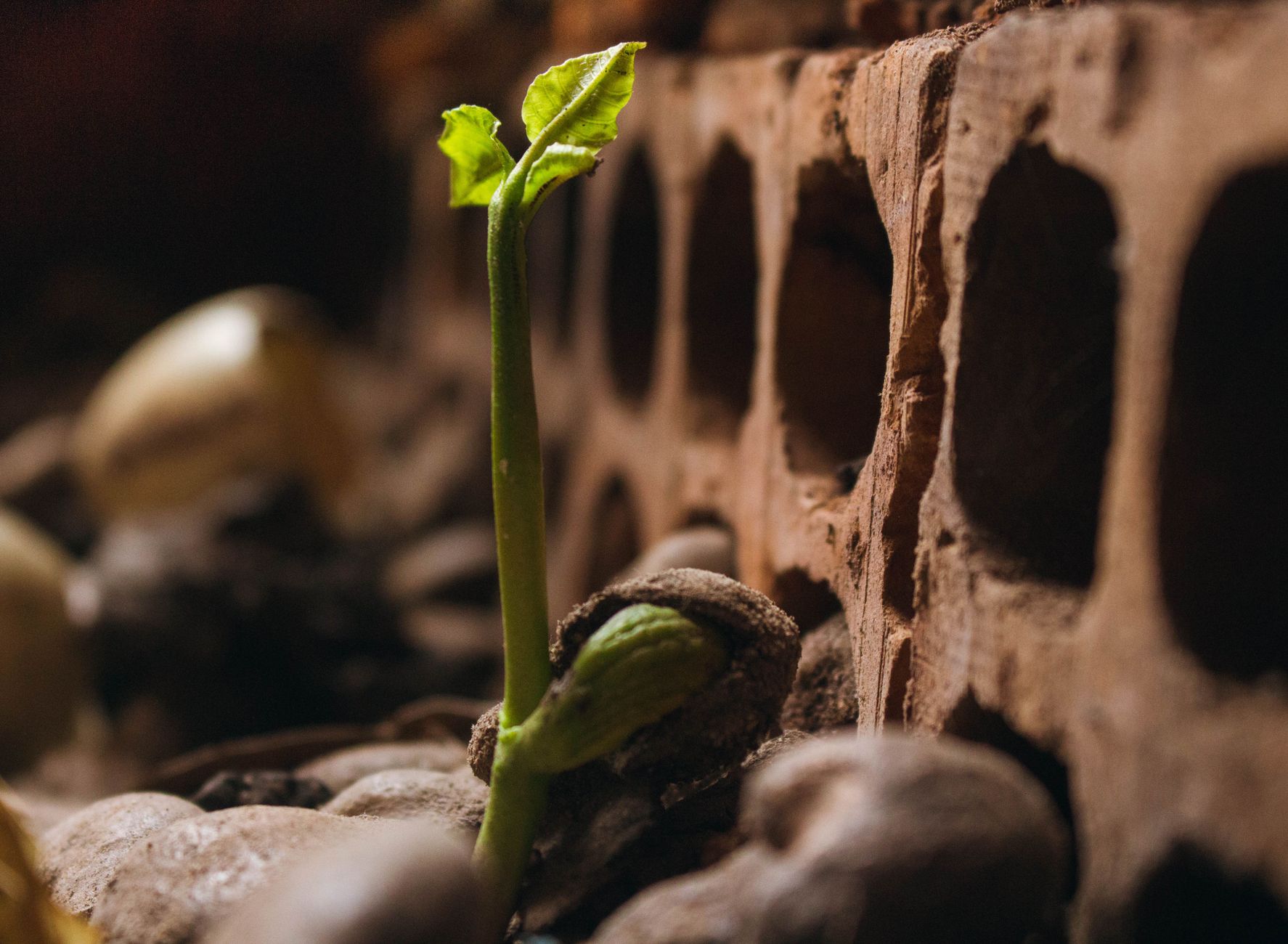
Seed technology offers a foundational solution by enhancing the natural resilience of crops before planting even occurs. Researchers and agricultural biotechnology companies are developing seeds engineered to withstand temperature extremes, saline soils, and water scarcity. These advancements aim to stabilize crop yields globally, ensuring that primary agricultural commodities remain accessible and affordable for commercial food service providers.
ADVANCEMENTS IN SEED GENETICS AND ENHANCEMENT
The current revolution in agricultural seeds extends far beyond traditional hybridization practices. Modern enhancement techniques include advanced seed coating technologies that deliver essential nutrients and biological protection directly to the germinating plant. These specialized coatings reduce the need for synthetic chemical applications while improving early-stage crop survival rates under adverse field conditions.
In addition, genomic mapping and precision breeding allow scientists to identify natural traits responsible for drought tolerance and disease resistance. According to market data from Future Market Insights, commercial adoption of these advanced seed strains is accelerating across major agricultural regions in North America, South America, and Asia. Farmers adopting these high-yield, resilient seeds report more consistent harvest volumes, directly benefiting downstream food processors and restaurant purchasing departments.
For restaurant operators, supply chain predictability is essential for maintaining menu pricing and operating margins. Ingredient cost volatility forces businesses to either absorb rising expense burdens or pass price increases along to consumers. By stabilizing base harvest volumes, resilient seed technology helps mitigate sudden supply shocks in key categories like tomatoes, leafy greens, grains, and cooking oils.
Major food service distributors are already establishing partnerships with agricultural supplier networks that prioritize climate-resilient crop varieties. These strategic alliances ensure a steady flow of high-quality produce, minimizing the risk of regional shortages. Operators who align with forward-thinking distributors gain a competitive advantage through consistent product specifications and reliable delivery schedules.
The market expansion for advanced agricultural seeds reflects broader economic shifts within the global food system. Future Market Insights highlights that rising input costs and climate risks are driving record investments into agricultural biotechnology and seed research. Institutional investors and agribusiness conglomerates are directing significant capital toward developing seed solutions tailored to specific regional climates and soil profiles.
This economic momentum is lowering the barrier to entry for mid-sized farming operations, allowing smaller growers to adopt advanced seed solutions. As crop yields improve across diverse farming operations, the overall resiliency of the global food matrix strengthens. Restaurant buyers benefit from a more decentralized and resilient sourcing ecosystem that is less vulnerable to localized crop failures.
Modern consumers increasingly demand transparency and environmental responsibility from the dining establishments they support. Climate-resilient agricultural practices align with these evolving consumer expectations by reducing land degradation and optimizing resource usage. Crops grown from advanced seed varieties often require significantly less irrigation water and chemical intervention throughout their growth cycles.
Culinary leaders are beginning to incorporate messaging around agricultural sustainability into their brand storytelling. Highlighted commitments to resilient sourcing build brand equity while educating consumers on the complexities of modern food systems. Responsible sourcing is quickly transitioning from a niche marketing tactic into an operational necessity for mainstream restaurant brands.
LONG TERM OUTLOOK FOR THE FOOD SERVICE INDUSTRY
Looking ahead, the integration of advanced seed technology will play a vital role in securing global food supplies over the next decade. Continued collaboration between seed developers, agricultural producers, and food service stakeholders will be essential to address ongoing environmental pressures. Commercial kitchens that proactively adapt to these agricultural innovations will be best positioned to navigate future supply chain disruptions.
The ongoing transformation of agricultural seeds represents a fundamental shift in how the food industry manages environmental risk. As biotechnology continues to evolve, the farm-to-table pipeline will become increasingly durable, ensuring stable ingredient supplies for generations of diner demand to come.
Restaurant owners and supply chain managers should closely review their current procurement channels to identify vulnerabilities linked to climate volatility. Partnering with broadline distributors that source from climate-resilient growers will provide critical price stability and consistent product quality. Staying informed about agricultural innovations allows food service operators to protect their operating margins while communicating sustainable sourcing practices directly to discerning customers.
Sources and methodology
Reported from the public datasets below.
More from the Foodie Pundit Newsroom
- Why High Grocery Prices Are Here To Stay For American Consumers
- FDA Clears Path for Major Overhaul of Retail Healthy Food Labels
- FDA Overhauls Healthy Food Label Rules for Modern Grocery Aisles
- FDA Moves to Redefine Healthy Food Labels as Industry Braces for Supply Chain Shifts
- FDA Modernizes Healthy Labeling Rules for Consumer Packaged Goods