Risky Lobster Tan Trend Highlights Outdoor Dining Hazards and Health Warnings
Viral social media videos glorifying severe sunburns underscore growing public health concerns and changing consumer behaviors on restaurant patios.
By Foodie Pundit Newsroom - Published - Section: Social Virality
Key points
- Social media users are glorifying extreme sunburns under the viral banner of a lobster tan, despite severe health risks.
- Medical experts warn that intense sunburns cause irreversible DNA damage and dramatically increase skin cancer risks.
- Extended outdoor dining and alcohol consumption frequently lead to accidental sun overexposure among restaurant patrons.
- Hospitality operators are expanding shade infrastructure on patios to keep guests safe and comfortable.
Sunburned diners and extreme tanning enthusiasts are flooding social media platforms with videos showcasing deeply flushed skin, coining the term lobster tan to describe severe sunburns. While viral internet culture often treats extreme physical transformations as humorous badges of honor, health professionals and hospitality observers are raising immediate alarms. The social media phenomenon highlights a growing trend among consumers who prioritize aesthetic trends over basic health precautions during outdoor dining and vacation activities.
According to reporting by Today, the trend involves users proudly displaying bright red, inflamed skin resulting from prolonged exposure to ultraviolet radiation without adequate protection. Many creators frame these painful sunburns as a necessary midpoint toward achieving a deeper golden tan. However, medical experts emphasize that there is no such thing as a safe burn, and the visual similarity to a boiled crustacean is actually a sign of severe, acute cellular damage.
THE DERMATOLOGICAL IMPACT OF EXTREME UV EXPOSURE
Dermatologists warning against the trend note that intense sunburns significantly increase the long term risk of developing skin cancers, including melanoma. A single blistering sunburn during childhood or adolescence can double a person's chances of developing melanoma later in life, while repeated exposure in adulthood continues to stack those odds unfavorably. The inflammation that causes the characteristic red hue is the body's emergency immune response to DNA damage within the skin cells.
In addition to elevated cancer risks, severe sunburns accelerate skin aging, leading to premature wrinkling, loss of elasticity, and persistent hyperpigmentation. The temporary social media engagement generated by a viral video pales in comparison to the permanent structural changes caused by unprotected sun exposure. Medical professionals stress that visible redness is not a baseline for a healthy tan, but rather a direct indication of thermal and radiation injuries to the upper layers of tissue.
OUTDOOR DINING AND THE RISK OF ACCIDENTAL OVEREXPOSURE
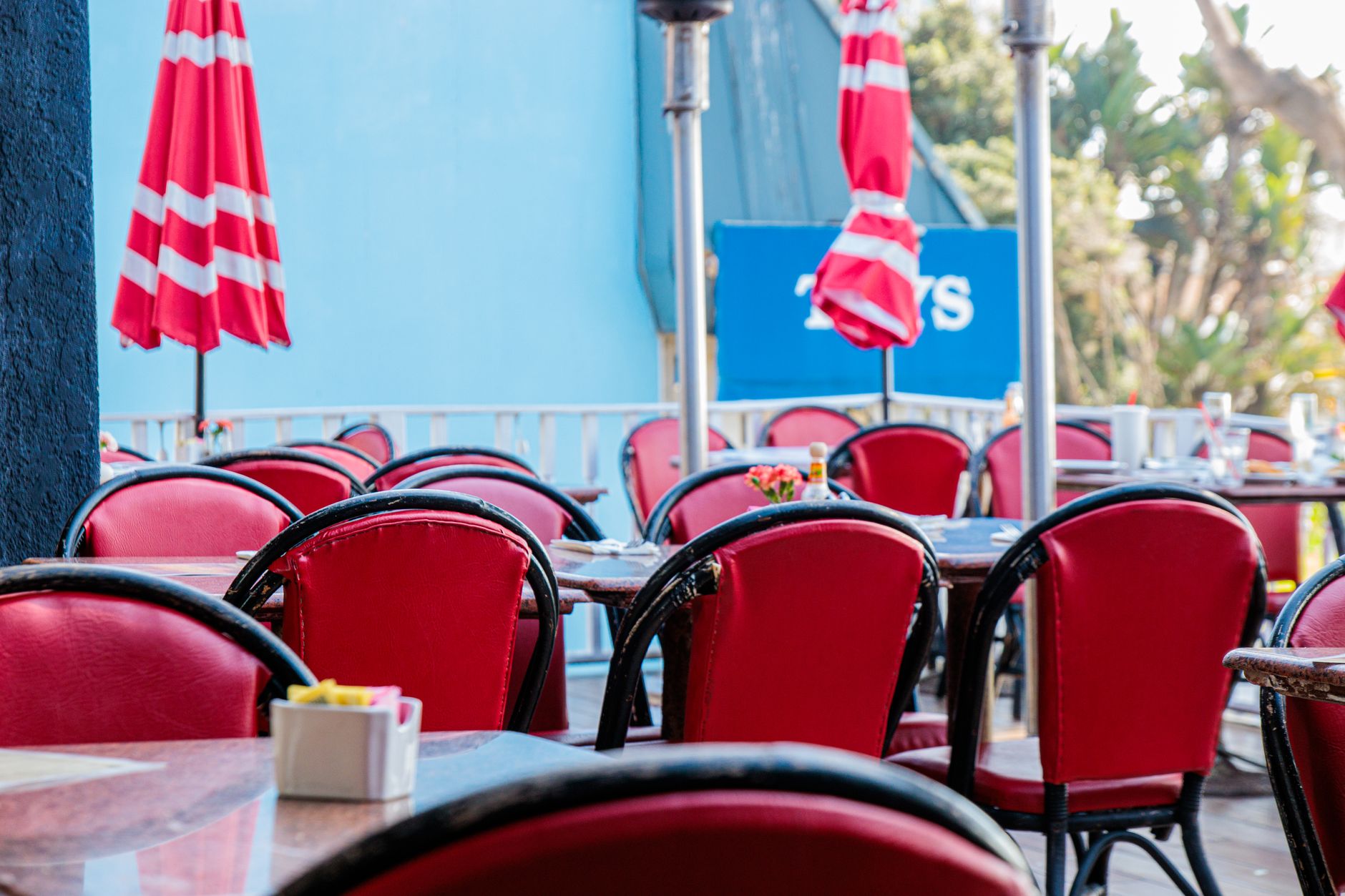
The resurgence of outdoor restaurant seating and patio culture has created an environment where casual consumers spend extended hours under direct sunlight. Patio dining, rooftop bars, and beachfront eateries often lack adequate shade infrastructure, leaving patrons exposed during peak ultraviolet radiation hours. While customers enjoy food and beverages, the intoxicating combination of alcohol, social distraction, and ambient breeze often masks the immediate sensation of burning.
Restaurant operators are increasingly aware that their outdoor spaces play an unintended role in consumer sun overexposure. Many hospitality venues are now evaluating how patio design choices affect guest comfort and safety over long afternoon dining sessions. Alcohol consumption in particular reduces a person's awareness of physical discomfort, making drinkers far less likely to reapply sunscreen or seek shade when their skin begins to overheat.
THE ECONOMIC COSTS OF PREVENTABLE HEALTH CRISES
Beyond individual health consequences, the normalization of extreme sun exposure carries significant broader economic impacts for the healthcare system and the hospitality industry. Skin cancer treatment costs billions of dollars annually, placing a substantial burden on public and private health insurance programs. Preventable health issues driven by social media dares or viral trends create unnecessary friction across healthcare supply chains and primary care networks.
For the food service industry, guest discomfort suffered on open air dining patios can lead to negative reviews, premature departure before ordering desserts, or lower overall spend. Hospitality venues that fail to provide basic climate controls like umbrellas, misting systems, and shade sails risk alienating patrons who prefer comfortable dining conditions. Operators are recognizing that protecting guests from excessive heat and radiation is directly tied to customer retention and daily revenue targets.
VIRAL SOCIAL MEDIA INFLUENCE ON CONSUMER BEHAVIOR
The rapid spread of the lobster tan trend illustrates the power of digital platforms to reshape consumer perceptions of risk and wellness. Algorithms on short form video apps tend to amplify visually shocking content, encouraging younger audiences to replicate dangerous physical behaviors for short term attention. When painful physical reactions are rebranded as funny milestones or relatable summer experiences, public health messaging faces a steep uphill battle.
Public health organizations are working to counter this online narrative by partnering with digital content creators to promote sun safety as a modern lifestyle choice. These campaigns emphasize that proper sun protection, including broad spectrum sunscreen, protective clothing, and strategic shade seeking, does not prevent people from enjoying outdoor leisure activities. Reframing sun safety as a component of personal care rather than a burden remains crucial in altering public behavior.
For consumers, avoiding extreme sunburns requires active planning whenever dining or socializing outdoors. Wearing high SPF sunscreen, replaying it every two hours, and seeking shaded seating during peak UV hours from late morning through mid afternoon are basic self care practices that protect long term health. Recognizing that a deep red burn is a medical warning rather than a cosmetic milestone is essential for breaking dangerous social media habits.
For restaurant operators, investing in quality outdoor shade solutions like retractable awnings, heavy duty umbrellas, and covered pergolas creates a safer and more inviting environment for patrons. Providing complimentary sunscreen stations or selling branded sun protection merchandise offers a functional service that enhances the guest experience. By prioritizing climate comfort and sun safety, hospitality businesses can protect their patrons while maximizing the commercial viability of their patio spaces.
Sources and methodology
Reported from the public datasets below.
More from the Foodie Pundit Newsroom
- Watermelon and Mustard Trend Sparks Debate Over Taste Science and Viral Food Dynamics
- Restructuring Waves Hit Casual Dining as Industry Cost Pressures Mount
- Legacy Fast Food Chains Face Wave of Closures as Industry Economics Shift
- Casual Dining Wave Reaches Tipping Point as Major Chain Files for Bankruptcy
- Legacy Fast Food Brands Face Mass Closures As Market Pressures Mounting