Savory Brews Take Over Social Feeds As Pickle Coffee Trend Challenges Beverage Norms
An unexpected combination of dill pickle brine and espresso is capturing attention across social platforms, prompting the coffee industry to analyze the underly
By Foodie Pundit Newsroom - Published - Section: Coffee Cafes
Key points
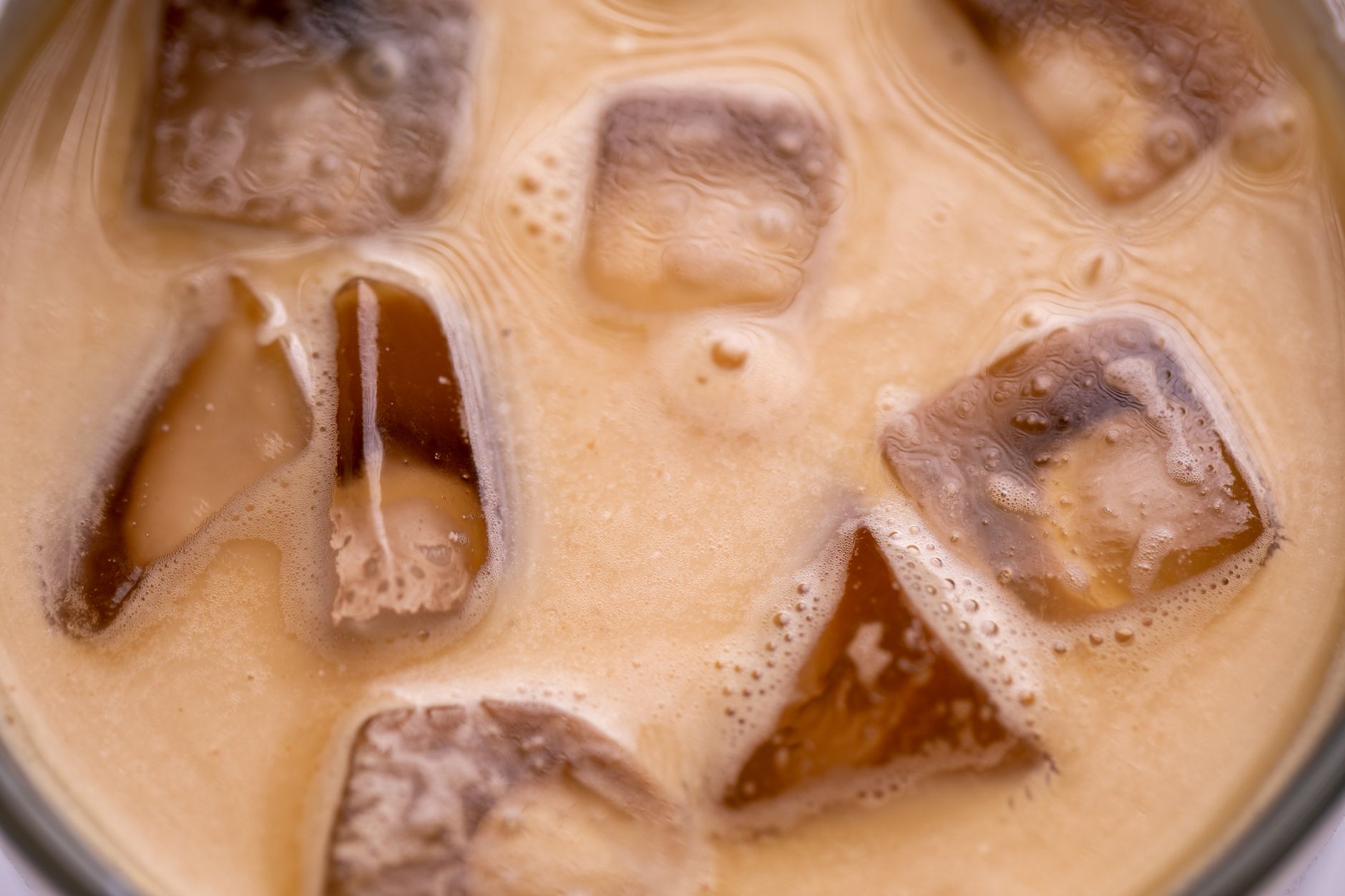
- Social media creators are mixing dill pickle brine with iced espresso, creating a viral savory drink trend.
- Salt and acetic acid in pickle juice chemically reduce the perception of bitterness in dark roast coffee.
- Low ingredient costs allow cafes to generate high profit margins on custom viral menu offerings.
- Savory coffee traditions have historical precedents in Scandinavian and Asian beverage cultures.
The digital landscape has long served as an incubator for unconventional culinary experimentation, but the latest viral beverage movement is testing the limits of consumer flavor palates. Across short-form video platforms, creators are recording themselves adding dill pickle brine and whole pickle spears directly into iced espresso and cold brew drinks.
While the combination may sound like an April Fools joke to traditionalists, the trend is gaining measurable traction among adventurous younger consumers. Reporting from Tasting Table indicates that the movement stems from a broader cultural obsession with fermented, sour, and savory flavor profiles in unexpected menu categories.
The operational reality behind this social media phenomenon reflects a rapidly changing retail beverage environment. Independent coffee shops and national chains alike are watching these digital virality cycles closely to determine whether sour coffee recipes represent a lasting consumer shift or a fleeting marketing gimmick.
To understand why anyone would mix pickled cucumbers with dark roasted coffee beans, food scientists look to the chemical properties of acidity and bitterness. Coffee contains natural organic acids, but high levels of dark roasting can accentuate bitter caffeine compounds that overpower the palate.
Sodium chloride and acetic acid, the primary components of dill pickle brine, are known in culinary science to suppress human perception of bitterness. When small quantities of brine are introduced to espresso, the salt binds to taste receptors, effectively muting bitter notes while highlighting underlying fruity or nutty notes in the coffee bean.
Furthermore, the surge of interest in electrolyte-rich functional beverages has normalized the consumption of pickle juice among athletes and wellness enthusiasts. Combining brine with caffeine creates a dual-function drink that promises both energy and hydration, appealing to younger demographics who prioritize functional ingredients.
From an economic perspective, the rise of viral drink trends presents both opportunity and operational friction for food service operators. Specialty coffee shops operate on tight margins where speed of service, inventory turnover, and yield per square foot dictate long-term profitability.
Introducing non-standard ingredients like pickle brine into a coffee bar requires dedicated storage, distinct prep equipment, and clear food safety protocols to prevent cross-contamination. Brine is highly aromatic and acidic, meaning improperly handled utensils could taint sensitive milk systems or espresso machine components.
However, the promotional upside of stocking low-cost, high-margin novelty ingredients is significant. Pickle brine is inexpensive to source or produce in-house from kitchen waste, allowing cafes to charge premium prices for viral menu items with minimal incremental food cost.
The rapid propagation of pickle coffee illustrates how social algorithms drive food service menu development. Algorithms prioritize high-contrast content that provokes strong emotional reactions, ranging from intense disgust to passionate intrigue.
Drinks featuring bright green brine layered over dark espresso provide striking visual contrast ideal for video thumbnails. Users are motivated to film their genuine reactions upon taking the first sip, creating an infinite loop of user-generated marketing that traditional advertising campaigns cannot match.
Tasting Table notes that while many participants try the combination strictly for online clout, a surprising percentage report enjoying the sharp, refreshing contrast. This organic validation encourages mainstream beverage developers to experiment with savory modifiers in future product pipelines.
While dill pickles are a modern twist, savory and salted coffee traditions have deep historical roots across global food cultures. In Northern Scandinavian regions, consumers have long practiced kaffeost, dipping rich, salty dried cheese directly into hot mugs of coffee to soften the dairy and cut acidity.
In parts of Asia, sea salt cold foams and butter-infused coffees have transitioned from regional heritage drinks to permanent menu fixtures at major multinational chains. The addition of pickle brine is merely the latest Western iteration of balancing rich coffee lipids with intense, savory counterpoints.
As consumer palates expand through international travel and digital exposure, traditional boundaries between sweet breakfast drinks and savory lunch flavors continue to erode. Operators who understand this shift can better position their beverage menus to capture curious diners.
For restaurant buyers, evaluating the feasibility of pickle coffee requires examining inventory channels and ingredient stability. Standard commercial pickle brine often contains high levels of yellow food dyes and synthetic preservatives that may conflict with clean-label cafe branding.
Craft coffee establishments attempting this trend are increasingly turning to artisan fermentation partners or creating custom house-made brines. Using natural lacto-fermented pickle juices allows operators to control sodium levels and introduce botanicals like dill, garlic, or habanero directly into their specialty beverage program.
This approach creates a unique selling proposition that cannot be easily replicated at home with store-bought jar liquids, thereby preserving the specialty cafe value proposition and protecting retail pricing power.
For the average consumer, the surge in pickle coffee videos means you can expect to see increasingly unconventional savory options appearing on local cafe menus over the coming seasons. You do not need to order a full pickle iced latte to experience the underlying flavor benefits, as simply asking for a tiny pinch of sea salt in your standard iced dark roast can yield a similar smoothing effect without the dill aroma.
For restaurant owners and baristas, the trend highlights the importance of maintaining flexible menu systems that can adapt to short-term social media interest without disrupting core kitchen workflows. Monitoring viral flavor pairings offers valuable market intelligence regarding changing consumer tolerance for acid, salt, and savory notes in morning beverage routines.
Sources and methodology
Reported from the public datasets below.
More from the Foodie Pundit Newsroom
- Lavender Seasonal Menus Drive High Traffic and Social Media Virality Across Quick Service Coffee Sector
- Lavender Flavor Craze Hits Starbucks as Social Media Drives Spring Menu Sales
- New York Restaurants Face Massive Reservation Boom Following Michelin Guide Releases
- Kuala Lumpur Restaurants Shift Strategy With High-End May Menu Drops
- Michelin Guide Shakes Up New York Dining Scene With 30 New Star and Bib Gourmand Awards