Savory Umami Trends Transform Traditional Chocolate Desserts in Commercial Bakeries
The integration of savory, umami-rich ingredients into classic dessert formats is reshaping retail bakery trends and restaurant menu strategies nationwide.
By Foodie Pundit Newsroom - Published - Section: Desserts Snacks
Key points
- Pastry programs are increasingly using umami ingredients like miso to balance sweetness and elevate flavor complexity.
- Fermented pastes provide food service operators a cost-effective method to create premium menu offerings with existing supply chains.
- Scientific pairings of glutamate-rich ingredients with dark chocolate reduce the reliance on excess refined sugar.
- Modern consumers are exhibiting higher adoption rates for global ingredient crossovers in mainstream bakery formats.
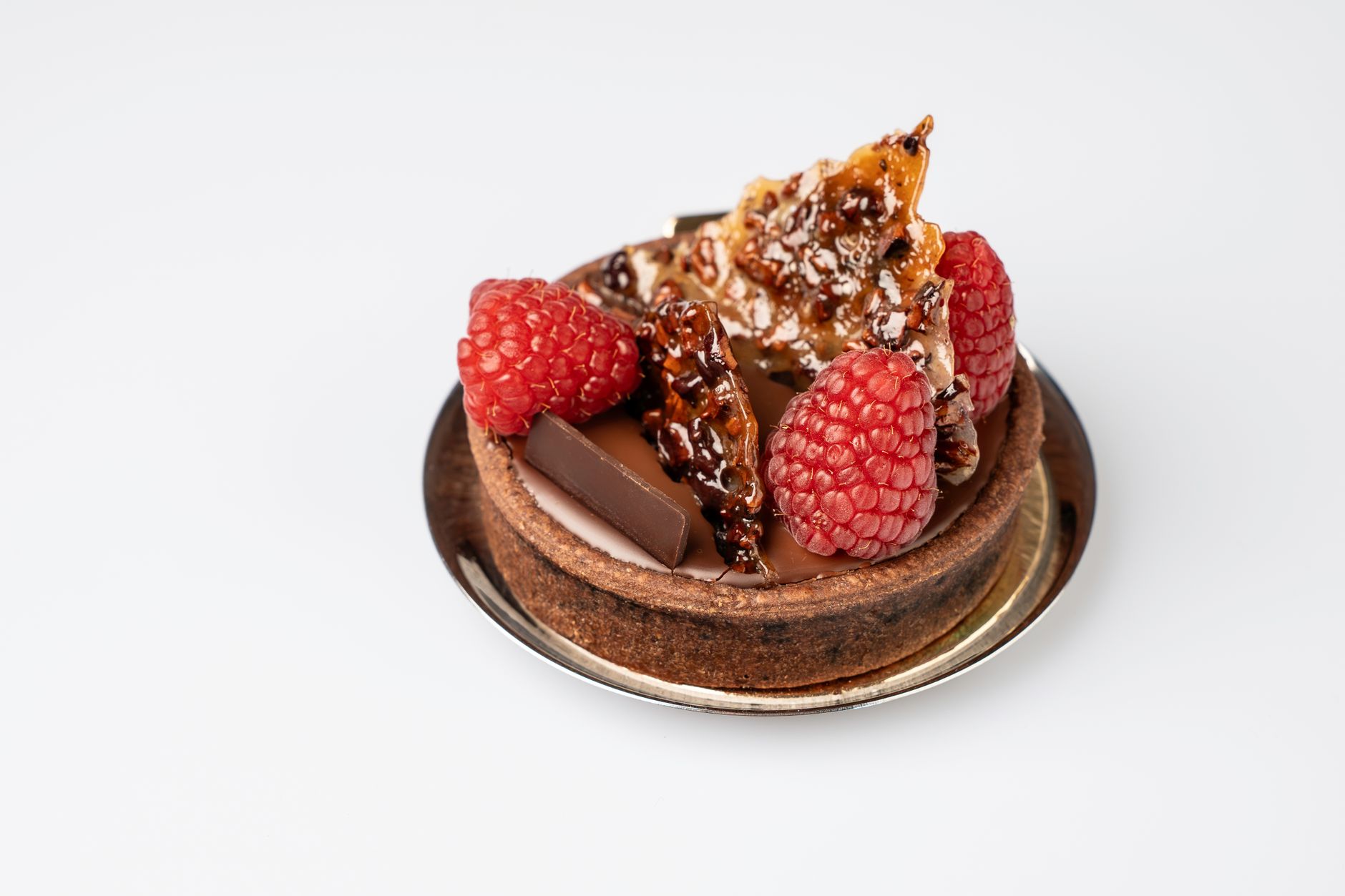
The global food service and retail bakery sectors are witnessing a distinct shift in consumer preferences, driven largely by a growing appetite for complex flavor combinations that bridge traditional culinary categories. Recent culinary trends highlighted by reporting from ABC News demonstrate how modern pastry programs are increasingly abandoning simple, ultra-sweet profiles in favor of nuanced pairings that incorporate umami, salt, and fermentation. Among the standout concepts leading this movement is the integration of fermented soybean paste into rich dark chocolate preparations, a combination best exemplified by the rising popularity of the miso chocolate tart.
This evolution in dessert menu engineering reflects broader changes in how consumers evaluate value and quality in pastry offerings. For decades, Western bakery concepts relied heavily on high sugar content and standard fat bases to drive palatability and impulse sales. However, modern diners are seeking elevated flavor profiles that offer balance, depth, and a less cloying finish. By blending salty, savory red or white miso into concentrated ganache fillings, pastry chefs create a chemical synergy where the amino acids in the fermented paste amplify the natural fruity, earthy notes inherent in high-percentage cacao.
The introduction of umami-rich ingredients into classic pastry bases is no longer confined to high-end tasting menus. Commercial bakeries, independent coffee shops, and upscale casual dining chains are all experimenting with savory contrast to differentiate their dessert menus in a crowded marketplace. Incorporating miso into chocolate tarts allows operators to present familiar visual forms, such as standard tart shells and dark ganache centers, while delivering an unexpected tasting experience that drives word-of-mouth marketing and social media engagement.
From an ingredient utilization perspective, fermented pastes offer food service operators a cost-effective way to enhance flavor complexity without adding expensive specialty spices or rare extracts. A tiny proportion of miso paste integrated into a traditional heavy cream and chocolate emulsion can dramatically alter the perception of the finished product. This efficiency makes savory-sweet crossovers an appealing strategy for kitchen directors looking to maximize flavor impact while maintaining strict food cost percentages in an inflationary supply chain environment.
UNDERSTANDING FLAVOR BALANCE AND CHEMISTRY
The science behind pairing chocolate with fermented soy rests on the interaction between glutamate and cocoa compounds. Dark chocolate naturally contains complex bitter and fruity tasting notes, which can sometimes overpower the palate if not properly balanced with sugar or fat. The introduction of salt and naturally occurring glutamates from miso smooths out these harsh edges, neutralizing excessive bitterness while reducing the need for added refined sugars. The result is a more balanced profile that allows the subtle aromatic qualities of the cocoa bean to come forward.
Executing a successful miso chocolate tart requires precise ratios to prevent the savory elements from overwhelming the pastry base. Chefs typically utilize a crisp, slightly sweet crust, such as a traditional pate sucree or a cocoa-infused shortbread, to provide structural integrity and a clean textural contrast to the smooth ganache. White miso is frequently selected for lighter chocolate fillings due to its mild, slightly sweet profile, whereas yellow or red miso is paired with intense seventy percent dark chocolate to stand up against robust cocoa solids.
As highlighted in recent food industry coverage by ABC News, consumer enthusiasm for novel dessert concepts is reshaping how recipes are developed for both home bakers and commercial menus. Today's consumers are far more open to global ingredients and unconventional flavor pairings than previous generations. This openness has shortened the lifecycle of food trends, allowing specialized items like fermented paste desserts to transition rapidly from niche artisanal bakeries into mainstream media features and home kitchen preparation.
Retailers and ingredient suppliers are responding to this trend by stocking a wider variety of specialized fermented pastes and premium baking chocolates. Grocery chains report increased consumer interest in recipe concepts that combine standard pantry staples with traditional Asian pantry items. This cross-category shopping behavior indicates that home cooks are becoming more adventurous, using media recipes to replicate professional culinary techniques and sophisticated flavor pairings within their domestic routines.
OPERATIONAL CONSIDERATIONS FOR FOOD SERVICE OPERATORS
For restaurant operators considering the addition of savory-sweet items to their dessert menus, several operational factors must be managed. Cross-contamination and allergen labeling require careful attention, as many commercial miso products contain soy and wheat components. Kitchen staff must also be trained on the sensitivity of ganache emulsions, ensuring that the moisture content of the added paste does not cause the chocolate mixture to seize or split during high-volume prep shifts.
Proper storage and shelf-life management also play a critical role in the economic success of these specialty items. While dark chocolate ganache generally exhibits good stability under refrigeration, the introduction of non-traditional ingredients can alter water activity levels within the filling. Operators must establish clear holding times and temperature protocols to maintain optimal texture, gloss, and flavor balance from the initial build through final service.
For everyday consumers and home bakers, the surge in savory-sweet desserts means access to more dynamic, sophisticated flavor experiences both in restaurants and at home. You no longer have to settle for standard, overly sweet bakery items when hosting or dining out. Integrating ingredients like miso into standard baking formats allows you to elevate simple family gatherings or dinner parties with minimal extra expense, transforming basic chocolate preparations into memorable, restaurant-quality desserts.
For food industry professionals and restaurant owners, this trend highlights the absolute necessity of menu innovation in maintaining customer engagement. Diners are actively seeking out venues that offer creative culinary twists on familiar comfort foods. By thoughtfully introducing umami elements into traditional pastry lines, food service operators can drive higher dessert attachment rates, boost average check sizes, and position their brand as a forward-thinking destination in an increasingly competitive dining market.
More from the Foodie Pundit Newsroom
- Why Culinary Chefs Are Adding Miso to Chocolate Desserts
- Professional Pastry Chefs Reveal Key Technical Secrets For Home Croissant Lamination
- Summer Dessert Market Shifts Toward Cold Concepts and Complex Flavors
- Viral Two Ingredient Dessert Craze Signals Major Shift Toward Minimalist Home Baking
- Specialty Coffee Market Soars as Premium Beans Redefine Retail Beverage Economics