Are You Really Eating Scallops? The Quiet Fraud That Overcharges You By Millions
A significant portion of scallops sold in the U.S. are mislabeled, leading to millions in overcharges. Learn to spot the signs of seafood fraud and ensure you'r
By Foodie Pundit Newsroom - Published - Updated - Section: Food Prices
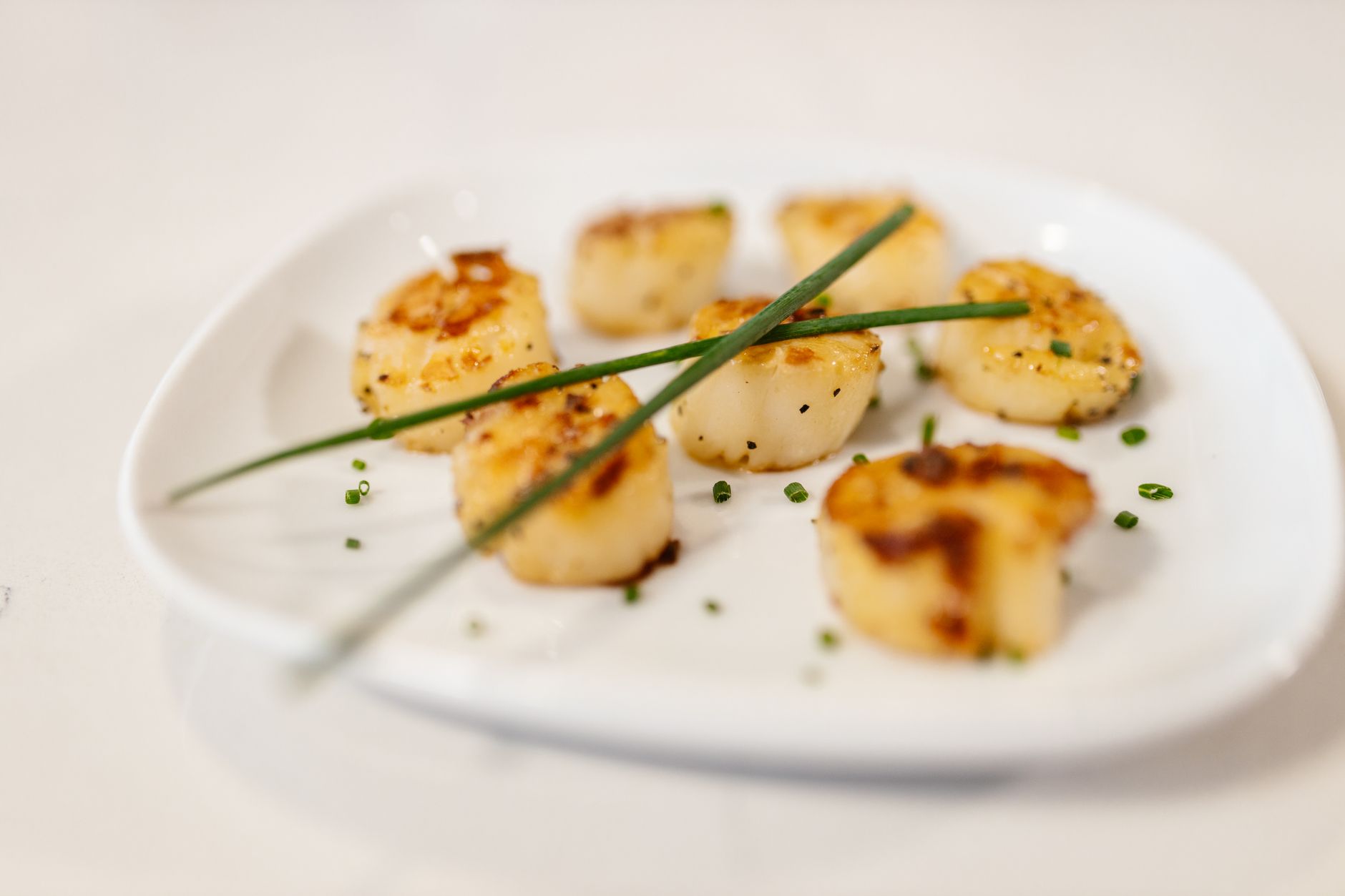
Key points
- Up to one-third of scallops sold in the U.S. may be mislabeled, substituted with cheaper fish, or artificially treated to increase weight.
- The most common forms of fraud include selling cheaper "wet" scallops (soaked in water and chemicals) as premium "dry" scallops, and substituting skate wing or other fish punched into scallop shapes.
- Economic incentives are the primary driver, as the price differential between genuine scallops and their substitutes can be over 400%.
- Consumers can protect themselves by asking for "dry" scallops, looking for natural irregularities in shape and size, and buying from reputable, specialized fishmongers.
This report is part of Foodie Pundit premium coverage. Foodie Pundit members read the full story. See membership.
Sources and methodology
Reported from the public datasets below.
More from the Foodie Pundit Newsroom
- Direct to Consumer Farm Markets Boom as Lifestyle Shopping Overtakes Eco Driven Sourcing
- Why the Viral Chopped Green Salad Became a Permanent Grocery Staple
- Tyson Foods Gets a New CEO: What Jeff Schomburger's Arrival Means for Your Dinner Plate
- How Peru Built A Global Culinary Empire From Unique Microclimates And Cultural Fusion
- Top-Shelf Trends Redefining Restaurant Beverage Economics