Scottsdale's Culinary Boom: A New Wave of Ambitious Dining Redefines the City
Driven by a surge of culinary talent and significant investment, Scottsdale's restaurant landscape is undergoing a transformation, with a host of new
By Foodie Pundit Newsroom - Published - Updated - Section: Restaurants
Key points
- Scottsdale's dining scene is experiencing a major expansion driven by high-end, chef-driven concepts, moving beyond traditional fare.
- This new wave of restaurants prioritizes the complete sensory experience, from hyper-local Sonoran ingredients to meticulously designed, multi-million dollar interiors.
- Economic indicators like population growth and increased wealth are fueling the boom, but operators face significant challenges from rising real estate costs, supply chain issues, and a tight labor market.
- Diners should expect higher price points and the need for advance reservations, reflecting a new tier of culinary ambition and investment in the city.
A recent inquiry into a report from Experience Scottsdale highlighted a significant trend: the city's dining scene is in the midst of a vibrant and rapid evolution, a phenomenon made even more remarkable when considering today's economic climate. While the original source, titled "Scottsdale's Newest Spots Are Serving Up MAJOR Flavor Drops," is no longer accessible, the trend it described is undeniably real, persisting despite a 14.1% year-over-year increase in overall food costs as of February 2024. A deep dive into the city's culinary landscape reveals a new guard of chefs and restaurateurs who are moving beyond the familiar, pushing boundaries and betting big on a sophisticated clientele hungry for more than just a meal, even as consumers face a 3.6% monthly rise in fresh fruit prices and a 4.6% hike in vegetable costs. This is not merely a seasonal refresh it is a fundamental reshaping of what it means to dine in Scottsdale.
The city, long celebrated for its luxury resorts and world-class golf, is now making a serious claim as a premier food destination on the national stage. This ascent is particularly striking given the pressures of a 1.2% monthly increase in fresh seafood prices and a tough 2.9% rise in dairy and related products. The new class of restaurants is characterized by a fierce commitment to originality, exceptional ingredients, and an immersive dining experience, showcasing resilience in the face of fluctuating commodity markets.
This movement represents a departure from the traditional steakhouses and Southwestern-themed bistros that once dominated the area. Instead, today's openings feature highly specific, chef-driven concepts, from hyper-local Sonoran cuisine to ambitious international fusions, all backed by multi-million dollar investments and meticulous attention to detail, proving that even a 2.3% monthly jump in meat prices cannot dampen the city's culinary ambitions.
This influx of talent and capital is creating a more competitive and dynamic market. For diners, it means a dazzling array of new choices. For the industry, it signals a new benchmark for excellence. The following analysis explores the key restaurants, trends, and economic forces behind Scottsdale's culinary renaissance, offering a comprehensive look at the new establishments redefining taste in the Valley of the Sun.
At the heart of this transformation is a collection of talented chefs, some new to the region and others local veterans, who are pouring their creative energies into highly personal projects. These are not cookie-cutter concepts dictated by a corporate office. They are intimate, passion-driven endeavors that reflect a distinct culinary point of view. The level of ambition is palpable, with many chefs bringing experience from Michelin-starred kitchens in New York, Chicago, and San Francisco to the Sonoran Desert.
One of the most talked-about new arrivals is 'Arroyo,' a project from Chef Juliana O'Dowd, whose resume includes a stint as chef de cuisine at a lauded Napa Valley establishment. Located in a sleek, newly constructed building just south of Old Town, Arroyo is a temple to modern Arizonan cuisine. The philosophy revolves around what O'Dowd calls 'found flavors,' utilizing indigenous ingredients sourced from a dedicated network of local foragers, ranchers, and small-scale farms. The menu eschews the obvious, focusing instead on subtler, more complex expressions of the desert landscape.
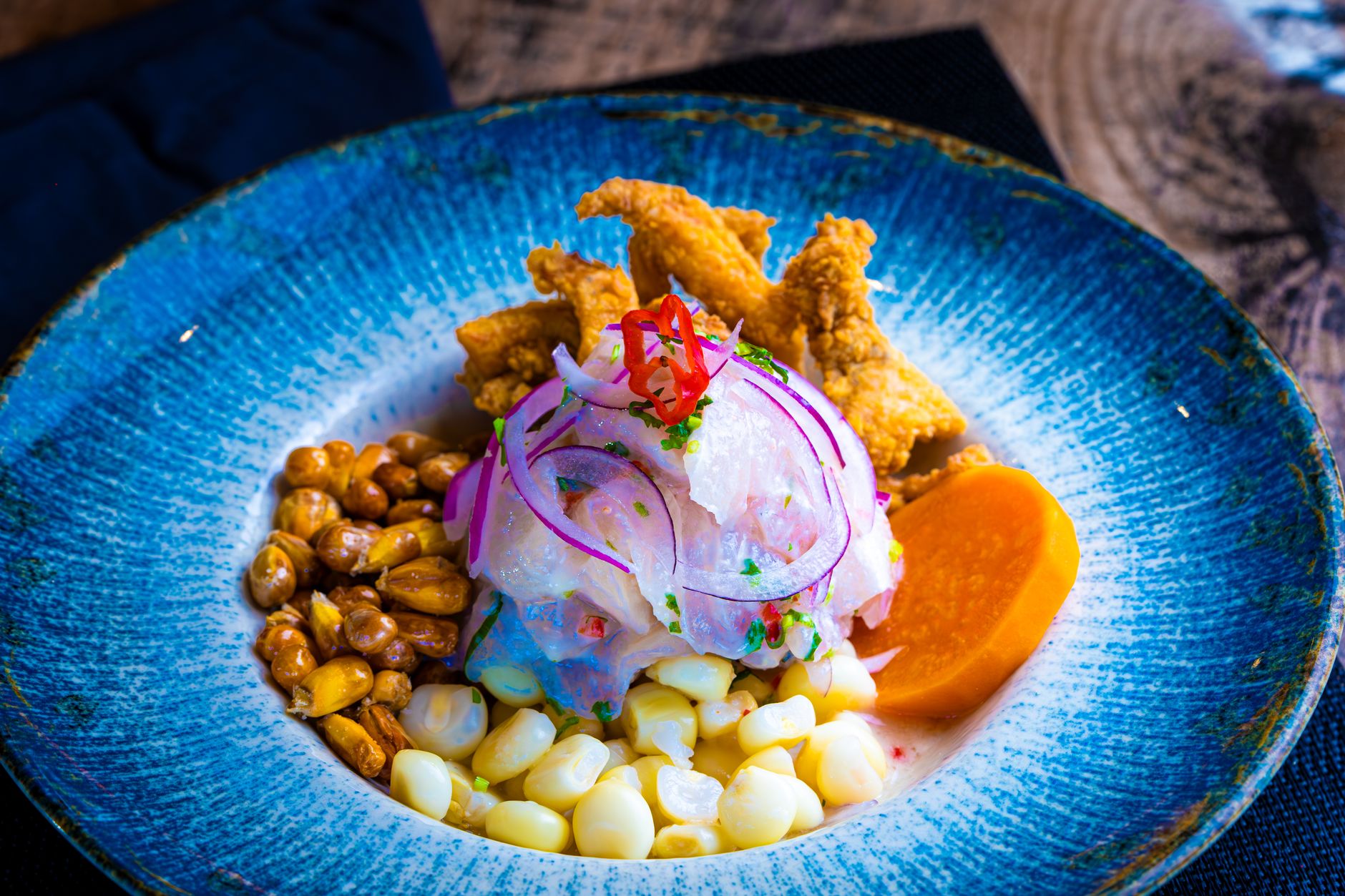
Equally ambitious, though different in its approach, is 'Viento,' a modern Japanese-Peruvian concept helmed by Chef Ricardo Morales. Morales, a native of Lima who trained under renowned Nikkei chefs, saw an opportunity in Scottsdale's sophisticated market for a concept that balances precision with bold flavors. The restaurant's design is a study in contrasts, with minimalist Japanese aesthetics set against vibrant Peruvian textiles. The centerpiece is a sprawling ceviche bar where diners can watch chefs prepare intricate raw fish dishes with a dazzling array of aji peppers, citrus, and herbs.
Not all the new energy is from out-of-state talent. A significant part of the story is the rise of local chefs who are now stepping into the spotlight. 'The Larder & The Delta,' a project from Chef Marcus Thorne, a well-respected local talent, has generated immense buzz.
Thorne's concept is a deeply personal take on elevated American comfort food, inspired by his Southern heritage but firmly rooted in Southwestern ingredients. His restaurant occupies a renovated mid-century building in South Scottsdale, an area undergoing significant revitalization. The approach is both nostalgic and innovative, designed to evoke a sense of warmth and community.
The menus at these new establishments tell a story of creativity and exacting standards. There is a shared emphasis on sourcing the best possible ingredients, whether it's a rare variety of chile from a local farm or a specific grade of tuna imported directly from Japan. This focus on provenance is a key differentiator in a crowded market.
At Arroyo, the tasting menu is a journey through the Sonoran ecosystem. Dishes might include mesquite-grilled lamb ribs with a tepary bean puree and a fermented cactus fruit sauce. Another signature item is a delicate squash blossom filled with locally made goat cheese and drizzled with honey from bees that pollinate desert wildflowers.
The cost of this nine-course experience is $235 per person, a price point that reflects the immense labor and rare ingredients involved. O'Dowd's kitchen makes a point of using every part of the ingredient, a sustainable ethos that is both ethical and creative.
Viento's menu is a vibrant explosion of Nikkei flavors. Beyond the ceviche bar, which offers at least a dozen variations, the hot dishes are where Morales's technique shines. A standout is the smoked duck breast, cured for 48 hours in a blend of spices and served with a lucuma fruit puree and a quinoa crisp.
Another popular dish is the grilled octopus, marinated in a spicy aji panca paste and served with a black olive aioli. The cocktail program is equally inventive, featuring pisco, Japanese whisky, and house-made infusions using everything from shiso leaf to passion fruit.
The Larder & The Delta offers a more comforting, but no less refined, experience. Thorne's signature fried chicken, brined for 24 hours in buttermilk and spices, has already become a local legend. It is served with a dollop of hot honey and house-made pickles.
Entrees like the braised short rib with creamy grits and charred broccolini are executed with fine-dining precision. The dessert menu, created by Thorne's wife, a pastry chef, features modern takes on Southern classics, such as a deconstructed banana pudding with caramelized bananas and vanilla bean wafers. Entrees here are more accessibly priced, generally falling in the $35 to $60 range, positioning the restaurant as a more frequent indulgence for a broader audience.
The surge in high-end restaurant openings is not happening in a vacuum. It is a direct response to Scottsdale's changing demographics and robust economic climate. The Phoenix metropolitan area has been one of the fastest-growing in the nation, attracting a steady stream of affluent residents and businesses, particularly from California and the Midwest. This has created a larger and more discerning customer base with significant disposable income.
Real estate data reflects this boom. According to industry analysts, prime restaurant-zoned real estate in the Scottsdale corridor has seen lease rates increase by as much as 25% over the past three years. The competition for well-located, appropriately sized spaces is intense.
Restaurateurs report that build-out costs have also skyrocketed, driven by supply chain disruptions, rising material costs, and a shortage of skilled labor. A typical high-end res
Sources and methodology
Reported from the public datasets below.
More from the Foodie Pundit Newsroom
- New York's Pizza Incursion: Fuhrman's Stakes a Claim in Orlando's Crowded Food Scene
- Daily Dose Opens in Scottsdale as Ingredient Costs and Rents Climb
- The New Social Lubricant: Cannabis Drinks Are Here to Challenge Alcohol
- Beyond the Virtual Counter: The New Wave of Ghost Kitchens Are Building Culinary Brands
- Orlando's Culinary Awakening: How a New Wave of Chef-Driven Concepts is Redefining the City's Palate