Seasonal Sweet Trends Drive Menu Innovation Across Commercial Bakeries
Commercial bakeries and food service operators are leaning into bold flavor combinations, eye-catching visual formats, and single-serve treats to capture summer
By Foodie Pundit Newsroom - Published - Updated - Section: Restaurants
Key points
- Bakery operators are combining high-acid fruits, chili spices, and botanicals to attract adventurous summer consumers.
- Single-serve and highly portable dessert formats continue to boost profit margins while catering to on-the-go lifestyle habits.
- Visual presentation remains a primary driver for product development, driving organic social marketing and repeat foot traffic.
- Modular recipe strategies help commercial kitchens manage high ingredient costs while maintaining a rotating menu of limited-time offers.
The commercial baking and restaurant sectors are undergoing a significant shift this season as consumer demand pivots toward nostalgic, visual, and highly experiential treats. According to recent industry reporting from Bake Magazine, bakery operators and food service menus are leaning heavily into bold color profiles, unexpected flavor pairings, and single-serve formats designed to capture warm-weather foot traffic.
Summer has historically been a critical sales window for frozen treats and fruit-forward pastries, but changing consumer habits driven by digital platforms are altering the standard product lifecycle. Operators are no longer relying solely on traditional seasonal favorites like basic strawberry shortcake or simple vanilla soft serve. Instead, development teams are accelerating product cycles to align with viral social media movements and shifting demographic preferences.
Flavor innovation for the current summer season is defined by a mix of high-acid fruits, floral notes, and unexpected savory elements. Bakers are increasingly pairing classic sweet bases with ingredients like hot honey, chili flakes, and botanical extracts such as lavender and hibiscus. These combinations offer a complex taste profile that appeals to younger demographics seeking novel culinary experiences.
According to data cited by Bake Magazine, global menu trends indicate that swirled and layered formats are performing particularly well in urban markets. Combining contrasting textures, such as crunchy freeze-dried fruit with silky pastry creams or dense brioche, allows operators to command higher price points. The goal for menu developers is to balance familiar comfort with just enough novelty to encourage repeat trial.
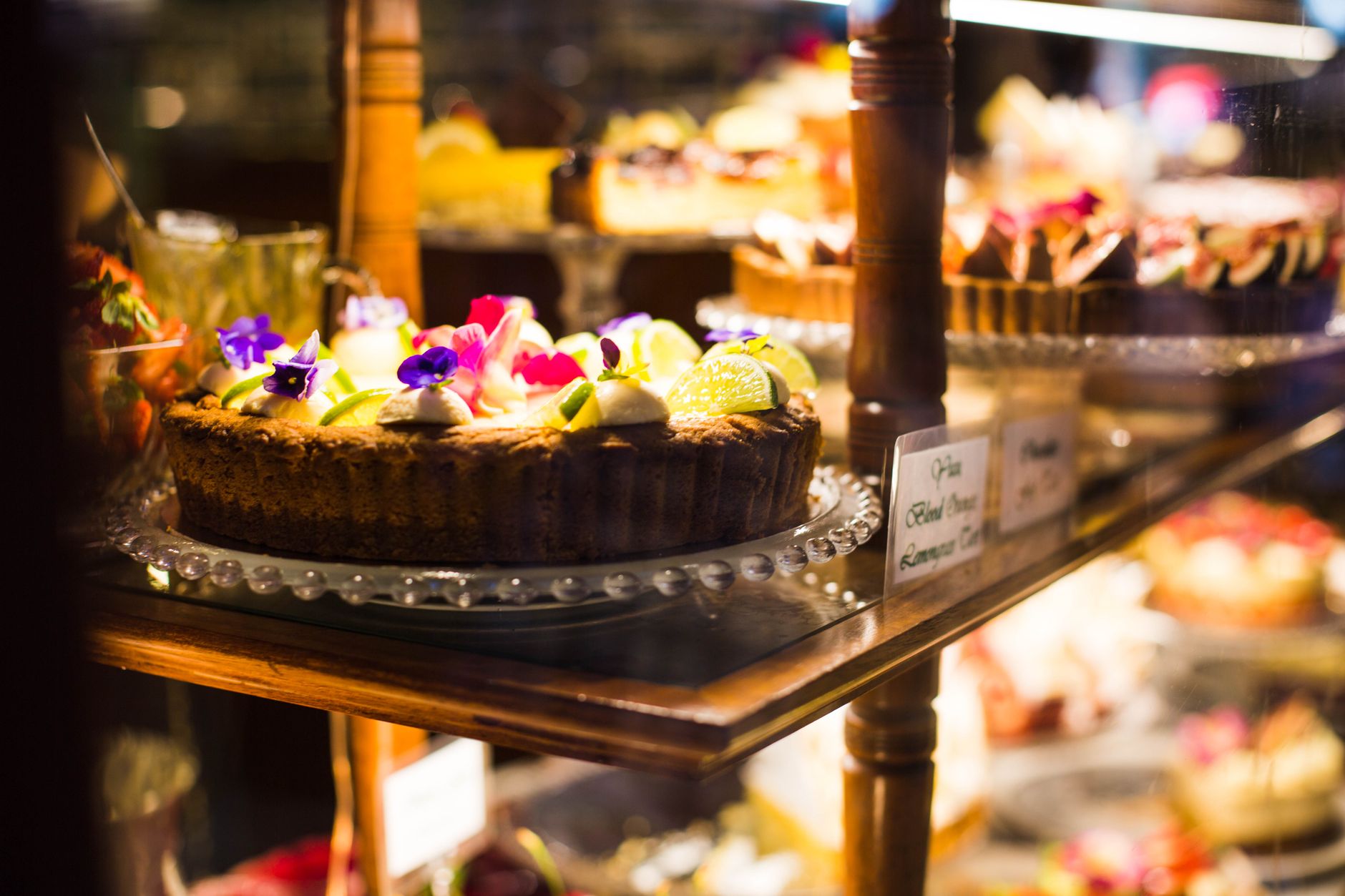
The visual presentation of desserts has taken on unprecedented financial importance for bakery owners and franchise operators. Products designed for maximum aesthetic impact generate organic digital exposure, effectively reducing direct marketing expenditure for independent businesses. Colorful glazes, dramatic soft-serve swirls, and multi-textured toppings are now core requirements during the initial recipe development phase.
This emphasis on visual appeal has boosted the popularity of items like oversized stuffed cookies, croissant-doughnut hybrids, and layered shaved ice. Industry analysts note that while aesthetic qualities drive the initial purchase, consistent quality and balanced sweetness remain essential for sustained sales volume beyond the initial promotional push.
Portability continues to dominate menu architecture as off-premise dining and casual walk-up service remain popular summer activities. Single-serve items such as mini cakes, dessert cups, and handheld stuffed pastries allow consumers to indulge without committing to full-sized bakery purchases. This trend aligns with broader consumer economic trends, where smaller indulgences serve as accessible luxuries during periods of tighter household budgeting.
Bakery operators are responding by retooling packaging and production workflows to accommodate higher volumes of individual portions. While packaging costs per unit can be higher for single-serve items, the elevated profit margins and higher sales throughput generally compensate for the added expense. Additionally, smaller formats minimize product waste during hot weather months when cream-based goods have shorter shelf lives.
Nostalgia remains a powerful emotional driver across food service categories, with bakeries revisiting classic mid-century and nineties sweet concepts. Upgraded versions of retro ice cream truck treats, nostalgic lunchbox cakes, and elevated fruit pies are appearing on menus nationwide. By refining ingredient quality and reducing artificial additives, operators can appeal to adult consumers seeking nostalgic tastes with a modern ingredient deck.
Bake Magazine points out that nostalgic offerings also provide a reliable baseline of sales stability alongside more risk-heavy experimental items. A classic product elevated with premium vanilla or organic heritage grains offers low barrier to entry for hesitant customers who might pass on botanical or spicy flavor combinations.
Executing these seasonal menu changes presents operational challenges for commercial kitchens and retail bakeries. Rising ingredient costs, particularly for dairy, chocolate, and specialized fruit purees, require precise inventory management and recipe costing. Operators must balance the desire for frequent menu innovation with the practical realities of kitchen labor limits and ingredient availability.
To mitigate these pressures, many bakeries are utilizing versatile base formulations that can be customized with various seasonal syrups, toppings, or finishes. This modular approach to product assembly reduces raw material complexity while allowing the front-of-house staff to market a rotating lineup of limited-time seasonal specials.
For retail consumers and restaurant diners, the current wave of dessert innovation translates to vastly expanded choices at every price point. You can expect to see more diverse flavor options at local bakeries, ranging from spicy-sweet soft serve to intricate single-serve pastries that emphasize seasonal produce. The proliferation of portable options also makes it easier to grab premium treats on the go without ordering an entire multi-serving pie or cake.
From a value perspective, consumers may notice slightly higher price tags on specialty seasonal items as businesses pass along the costs of premium ingredients and labor-intensive decoration. However, the rise of single-serve formats offers a practical middle ground, allowing diners to enjoy high-end pastry craftsmanship as a manageable everyday splurge. Paying attention to seasonal rotation schedules at your favorite spots will ensure you catch these limited-time flavor drops before menus transition to fall profiles.
More from the Foodie Pundit Newsroom
- A New Prescription for an Aging Brain: The Enduring Power of the MIND Diet
- USDA just rewrote farmer disaster aid rules. Groceries next.
- IFIC surveys your food safety fears for FDA
- Consumer Packaged Goods Sector Prepares for Historic M&A Surge
- Why Girl Dinner Is Maintaining Its Grip on American Eating Habits