Shredded Lettuce on Hot Dogs Emerges as Viral Trend Reshaping Fast Casual Menu Strategy
Social media users are swapping traditional mustard and relish for cold, crunchy greens, forcing food operators to rethink traditional menu builds.
By Foodie Pundit Newsroom - Published - Updated - Section: Social Virality
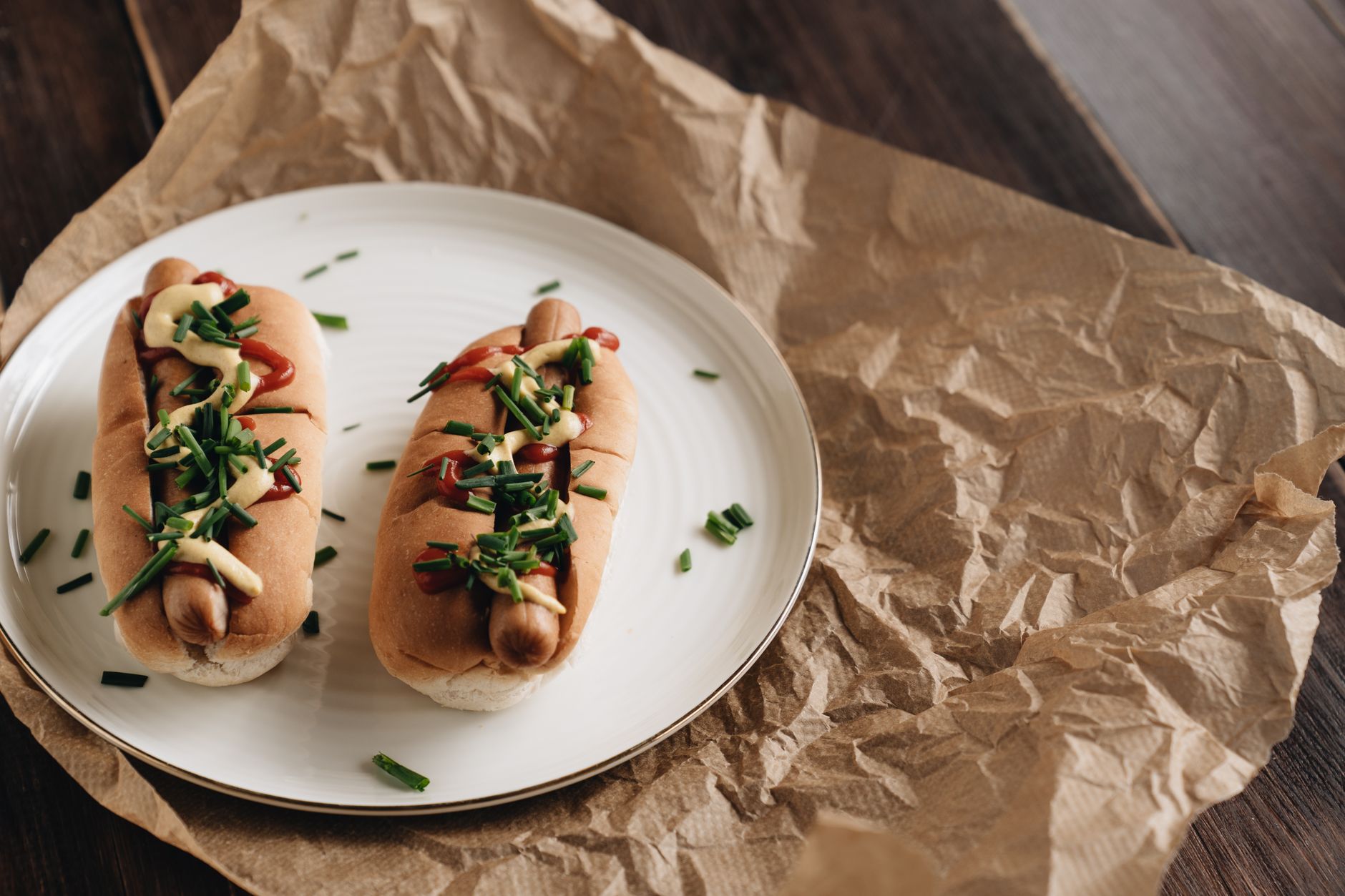
Key points
- TikTok creators are driving a popular movement to top hot dogs with chilled shredded lettuce for enhanced texture and freshness.
- Independent restaurants are leveraging existing salad inventory to offer the viral build without increasing ingredient waste.
- The trend highlights consumer demand for texture contrasts and fresh visual cues on traditional comfort food staples.
- Fast casual operators are monitoring short-form video trends to launch low-risk, rapid menu adaptations.
Food trend cycles on social media move at a frantic pace, but few recent culinary virality spikes have caught food service operators as off guard as the sudden rise of shredded lettuce on hot dogs. What began as a handful of casual kitchen experiments on short-form video platforms has blossomed into a full-blown internet obsession, prompting home cooks and restaurant pop-ups alike to re-examine the structural and flavor possibilities of the classic American frankfurter. Today.com recently reported on the viral phenomenon, noting that social media users are increasingly swapping traditional condiment pastes for cold, crisp greenery.
The concept sounds simple, even mundane on its face, but its rapid adoption across digital platforms highlights a broader shift in consumer appetite dynamics. Video creators demonstrate placing a generous bed of thinly sliced iceberg or romaine lettuce directly into a toasted bun before cradling the hot sausage inside, often topping the assembly with tangy dressings, pickled vegetables, or spicy mayonnaise. The contrast between the hot, savory pork or beef link and the chilled, crunchy shredded greens creates a distinct temperature and texture differential that fans compare to a classic sub sandwich or taco.
For the restaurant industry, unconventional topping trends represent both an opportunity and a operational puzzle. Hot dog stands and fast casual chains have traditionally relied on stable, low-waste inventory like yellow mustard, tomato ketchup, relish, and shelf-stable cheese sauces. Introducing fresh produce like shredded lettuce into a high-volume hot dog assembly workflow introduces new considerations around supply chain logistics, refrigeration demands, and perishable food waste management.
Despite these operational hurdles, independent diners and boutique hot dog vendors are already experimenting with the build to capture foot traffic driven by online curiosity. Operators who already stock shredded lettuce for burgers, wraps, or salads find the menu modification nearly frictionless. By cross-utilizing existing produce inventory, these eateries can launch promotional menu items inspired by viral trends without increasing their overall ingredient stock-keeping units or raising kitchen complexity significantly.
Culinary analysts point to texture as the primary driver behind the lettuce-topped frankfurter trend. Traditional hot dog toppings tend to be soft, paste-like, or liquid, which can sometimes lead to soggy bread and a uniform mouthfeel. The introduction of cold, shredded greens provides a structural barrier between the warm meat and the bun, while offering a sharp crispness that cuts through the rich, salty profile of processed meats.
This textural contrast mirrors the design philosophy of classic street foods around the globe, such as Vietnamese banh mi or Mexican tortas, where fresh, crunchy elements balance hot, fatty proteins. According to reporting by Today.com, many online enthusiasts credit this specific crunch factor for turning a seemingly strange combination into a daily routine meal. The trend also reflects a growing consumer desire for freshness cues, even when consuming traditional fast foods and comfort meals.
The rise of the lettuce hot dog underscores the role of platforms like TikTok as decentralized research and development labs for the global food industry. In previous decades, menu innovations took months or years to move from test kitchens to national chains. Today, a casual video showing an unconventional food pairing can gather tens of millions of views in a weekend, creating immediate consumer demand at local dining establishments.
Restaurant brands that monitor these social media trends in real time gain a distinct competitive advantage in youth demographics. By responding quickly with limited-time offers or playful social media responses, operators can position themselves as culturally relevant and responsive to consumer tastes. However, culinary strategy experts warn that brands must distinguish between short-lived novelty spikes and lasting behavioral shifts before committing significant capital to permanent menu changes.
HEALTH PERCEPTION AND THE GUILT REDUCTION FACTOR
Another subtle force driving the trend is the psychological impact of adding fresh produce to indulgent foods. Adding a vibrant green topping to a processed meat product alters the visual presentation of the meal, imparting what marketers call a halo of freshness. While adding a handful of iceberg lettuce does not radically change the caloric profile of a heavy sausage on a white flour bun, it offers consumers a sense of balance and guilt reduction.
This perceptual shift aligns with broader consumer health trends favoring flexitarian and fresh-focused dining options. Fast casual operators are increasingly looking for ways to make heavy menu staples feel lighter and more customisable without sacrificing the indulgent flavor profiles that draw customers through the door. Shredded lettuce, along with microgreens, shredded cabbage, and herbaceous slaws, offers a cost-effective method to achieve that visual and perceptual refresh.
If you are a dining consumer, this viral trend offers a simple, low-cost way to experiment with everyday lunch staples in your own kitchen or at local eateries. You can expect to see more independent hot dog spots and fast casual chains offering customizable fresh greens as standard topping choices alongside traditional mustard and relish.
For food business operators and kitchen managers, the phenomenon serves as a case study in inventory efficiency and social media agility. Incorporating existing salad bar prep like shredded lettuce onto hot dog lines allows restaurants to capture viral consumer interest with zero added ingredient costs. Keeping an eye on emerging online food builds can help you spot low-risk, high-margin menu wins before your competitors do.
More from the Foodie Pundit Newsroom
- Crispy Green Topping Trend Reshapes Hot Dog Economics and Menu Design
- Japanese Milk Bread Takes Over UK Food Scene Driven By Social Media Craze
- Rethinking The 10,000 Steps Metric: What Science Says About Daily Movement Goals
- End of an Era as 41-Year-Old Neighborhood Diner Closes Doors
- Six Decades of Service End as Iconic Bay Area Diner Shuts Down