Vertical Farms Are Coming for City Produce Chains, But the Light Bill Is Stiff
Indoor urban farming is transforming metropolitan produce distribution, but high operational energy costs continue to challenge commercial viability.
By Foodie Pundit Newsroom - Published - Updated - Section: Agriculture Supply
Key points
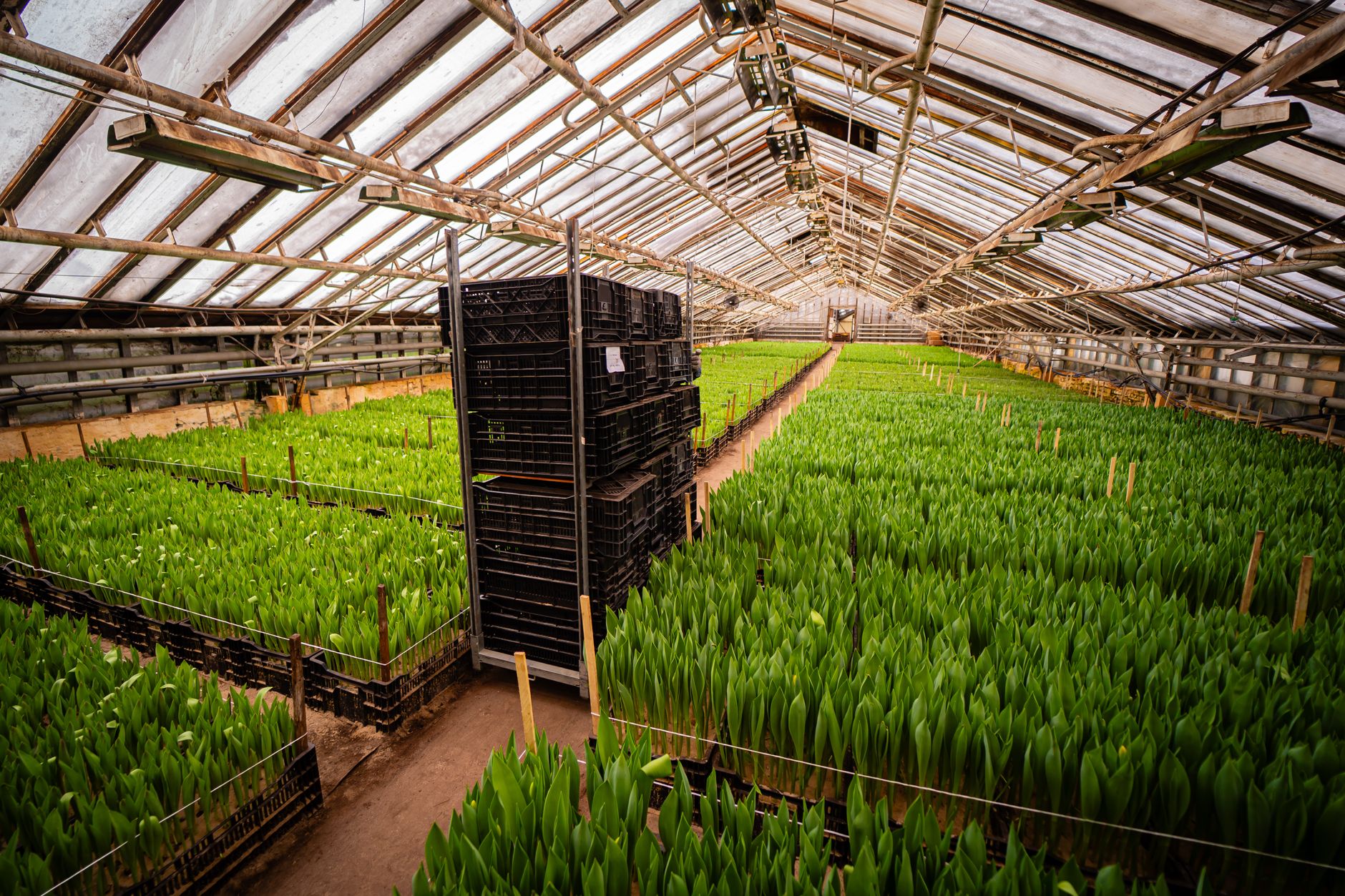
- Vertical farms utilize stacked hydroponic systems in city centers to dramatically cut supply chain transit times and carbon emissions.
- High capital expenditures, elevated urban real estate costs, and heavy electricity usage remain major financial hurdles for growers.
- Current commercial indoor operations focus primarily on fast-growing, high-value crops like microgreens, herbs, and leafy greens.
- Automated sensor networks enable pest-free cultivation without the use of synthetic pesticides or herbicides.
This report is part of Foodie Pundit premium coverage. Foodie Pundit members read the full story. See membership.
Sources and methodology
Reported from the public datasets below.
- U.S. Census Bureau - Monthly Retail Trade, food services
- Bureau of Labor Statistics (BLS) - Consumer Price Index, food away from home
- Federal Reserve Economic Data (FRED) - Food services and drinking places series
- Bureau of Labor Statistics (BLS) - Consumer Price Index, food away from home
- Federal Reserve Economic Data (FRED) - Food services and drinking places series
- U.S. Census Bureau - Monthly Retail Trade, food services
More from the Foodie Pundit Newsroom
- The Cult of Nacho Fries: Taco Bell's Limited-Time Offering as a Masterclass in Scarcity Marketing
- Seed Wars: Why a Delaware Patent Ruling Could Spike Your Ingredient Costs
- Seoul's Michelin-Starred Yu Yuan Charts a New Culinary Course With Chef Calvin Choi
- S.S. Gai Targets Nashville for First Standalone Restaurant
- Newark Is Getting A Peach Cobbler Factory