Snack Packaging Redesigns Transform Retail Counter Economics
Snack manufacturers and fast-casual chains are overhauling single-serve wrapping to drive visual appeal and boost consumer spending.
By Foodie Pundit Newsroom - Published - Updated - Section: Desserts Snacks
Key points
- Operators are using high-end packaging to justify menu price increases and enhance brand perception.
- Specialty materials and complex printing techniques are driving up baseline supply chain costs.
- The industry faces ongoing friction between visually striking designs and strict environmental sustainability mandates.
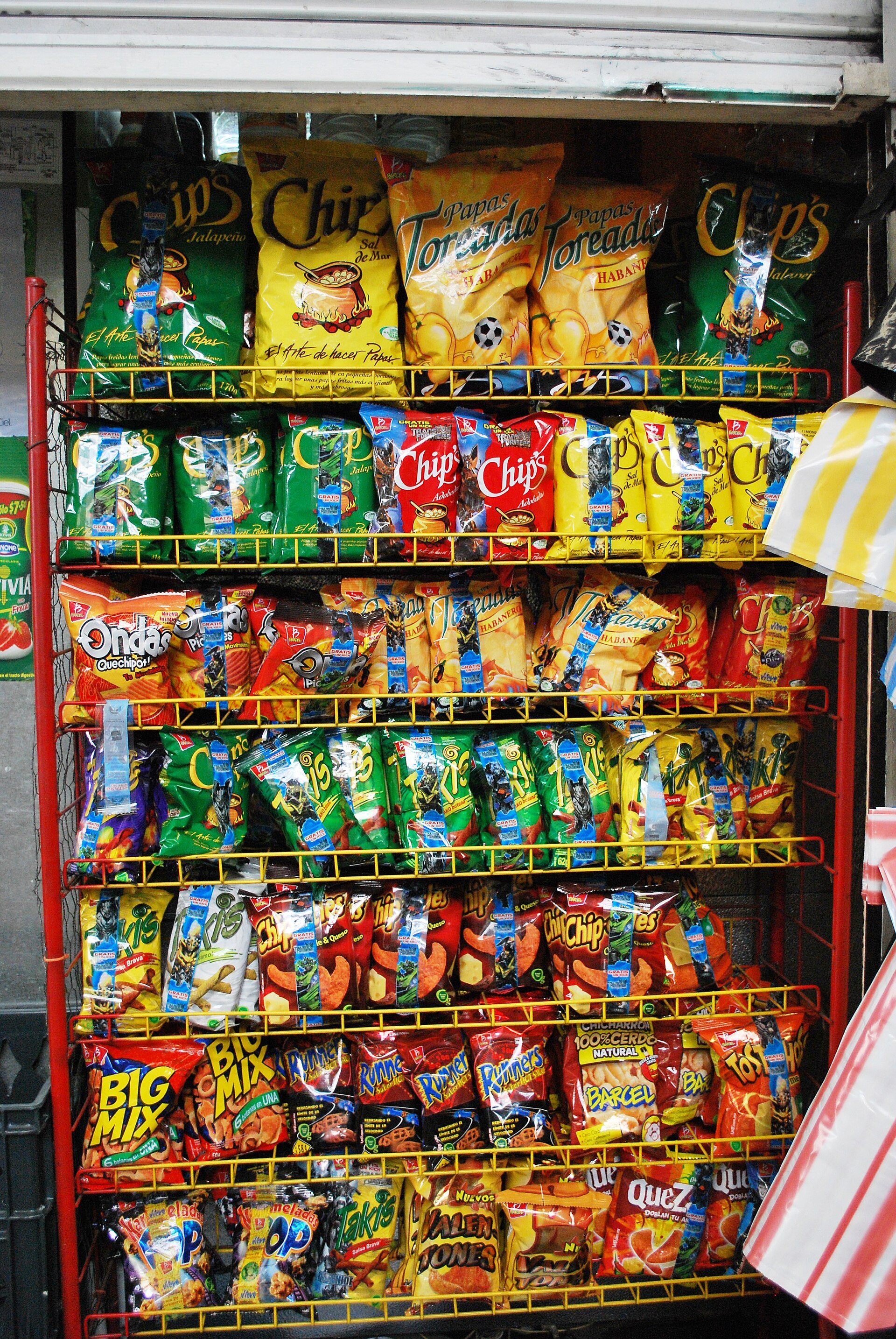
The global snack industry is undergoing a massive structural shift as visual packaging transforms from a protective shell into a primary consumer engagement vehicle. Major food operators and specialty brands are pouring capital into structural packaging redesigns that feature metallic finishes, tactile textures, bold typographies, and interactive elements.
Industry analysis from Packaging Today highlights how single-serve packages are now engineered to drive digital content sharing and impulse purchasing at retail counters. Restaurant chains and consumer packaged goods manufacturers are realizing that product wrapping carries unprecedented weight in high-volume channels where brand differentiation is notoriously difficult.
The financial rationale behind these lavish packaging investments rests on shifting consumer purchasing habits, particularly among younger demographics who prioritize visual aesthetic during casual dining and retail snack shopping. Packaging Today notes that interactive unboxing experiences are no longer exclusive to high-end electronics or luxury cosmetics.
Modern snackers actively seek out visually striking items that double as social currency on visual platforms like Instagram and TikTok. As a result, food operators are shifting marketing expenditures away from traditional digital ads and directly into physical packaging design, turning everyday containers into self-contained promotional engines that command higher shelf prices.
While the marketing benefits of high-concept packaging are clear, integrating complex materials into high-speed production environments presents operational hurdles. Dynamic foils, neon inks, and custom structural molds require significant capital expenditure, often inflating baseline packaging costs by fifteen to thirty percent.
Factory lines must adapt to accommodate complex foil stamping and specialty matte coatings without sacrificing throughput speeds. Furthermore, sourcing specialty substrates introduces fresh vulnerability to global food service supply chains, forcing procurement directors to maintain larger buffer stocks of proprietary packaging inventory.
Beyond print complexity, functional structural innovation is fundamentally altering how single-serve portions operate in quick-service environments. Novel designs include resealable rigid pouches, dual-chamber dipping containers, and thermal-insulated wraps that preserve product temperature during delivery runs.
These functional upgrades help fast-casual operators maintain product integrity across third-party delivery channels, reducing order refund rates. According to findings highlighted by Packaging Today, consumers report a higher perceived value when food arrives in custom-fit, heavy-duty packaging, allowing restaurants to absorb higher initial material costs while maintaining healthy profit margins.
The surge in elaborate packaging creates a notable tension between visual appeal and environmental sustainability goals. Many of the specialized coatings, multi-layer laminates, and metallic foils that create premium visual appeal render packaging non-recyclable in standard municipal waste streams.
Food service sustainability managers are working closely with packaging engineers to develop bio-based polymers and water-based inks that deliver high visual impact without violating corporate carbon-neutral commitments. The challenge remains acute for high-fat or greasy food applications, where barrier coatings must perform flawlessly to prevent degradation during transport.
In response, leading packaging manufacturers are pioneering mono-material solutions that preserve the premium feel while fitting seamlessly into existing recycling infrastructure. High-clarity recyclable plastics and embossed molded fiber containers are emerging as viable compromises for eco-conscious food brands.
As regulatory bodies across Europe and North America tighten rules on single-use plastics and non-recyclable laminates, food manufacturers are under pressure to ensure their visually bold designs remain legally compliant. Brands that fail to balance visual flair with environmental performance risk severe reputational damage and regulatory fines.
At its core, the packaging boom represents a strategic play to enhance value perception in an inflationary dining environment. When food ingredients and labor costs rise, operator price hikes become difficult for consumers to accept without visible enhancements to the overall experience.
A high-concept package signals premium quality before the consumer ever takes a bite, dampening price sensitivity at the point of purchase. Fast-casual concepts are using elevated packaging to bridge the gap between quick-service pricing and full-service dining expectations.
This economic reality is driving consolidation among specialized packaging suppliers, as large paper and plastic conglomerates acquire boutique design firms and high-tech printing operators. The market for custom food packaging is projected to maintain strong growth through the rest of the decade, fueled by intense rivalry among delivery-heavy dining concepts.
Operators who master the balance of supply chain reliability, visual aesthetics, and environmental compliance are gaining market share, proving that the outer wrapper is now as critical as the food inside.
For everyday consumers, this trend means your favorite snacks and takeaway meals will look substantially more refined, offering better temperature retention and functional convenience on the go. However, these visual and functional upgrades come with an indirect cost, as operators factor premium packaging expenses into total menu pricing.
As dining out becomes more expensive, expect brands to use these striking packages to justify higher prices and make casual meals feel like a elevated experience. Moving forward, buyers will also see clearer labeling regarding how to dispose of or recycle these complex multi-material wrappers.
Sources and methodology
Reported from the public datasets below.
More from the Foodie Pundit Newsroom
- How Farm Automation and Smart Data Systems Are Reshaping the Global Food Supply Chain
- Visual Impact Engineering Drives New Era of Premium Snack Packaging
- Hybrid farms fix restaurant food costs, boost flavor
- How Modern Packaging Transformed the Snack Food Economy
- Farm tech solves labor crunch, saves food costs