Snack Platters and Convenience Plates Redefining Modern Mealtime Economics
Social media trends and shifting consumer habits are reshaping how Americans think about casual evening meals and restaurant menus.
By Foodie Pundit Newsroom - Published - Section: Coffee Cafes
Key points
- Casual snack-style dining has evolved from a social media trend into a recognized consumer purchasing behavior.
- Grocery retailers and restaurant operators are adapting menus and shelf displays to feature grab-and-go grazing options.
- Economic pressures including grocery inflation and single-person household growth are accelerating low-prep meal choices.
- Nutrition experts urge consumers to balance convenience with adequate intake of fiber, protein, and essential nutrients.
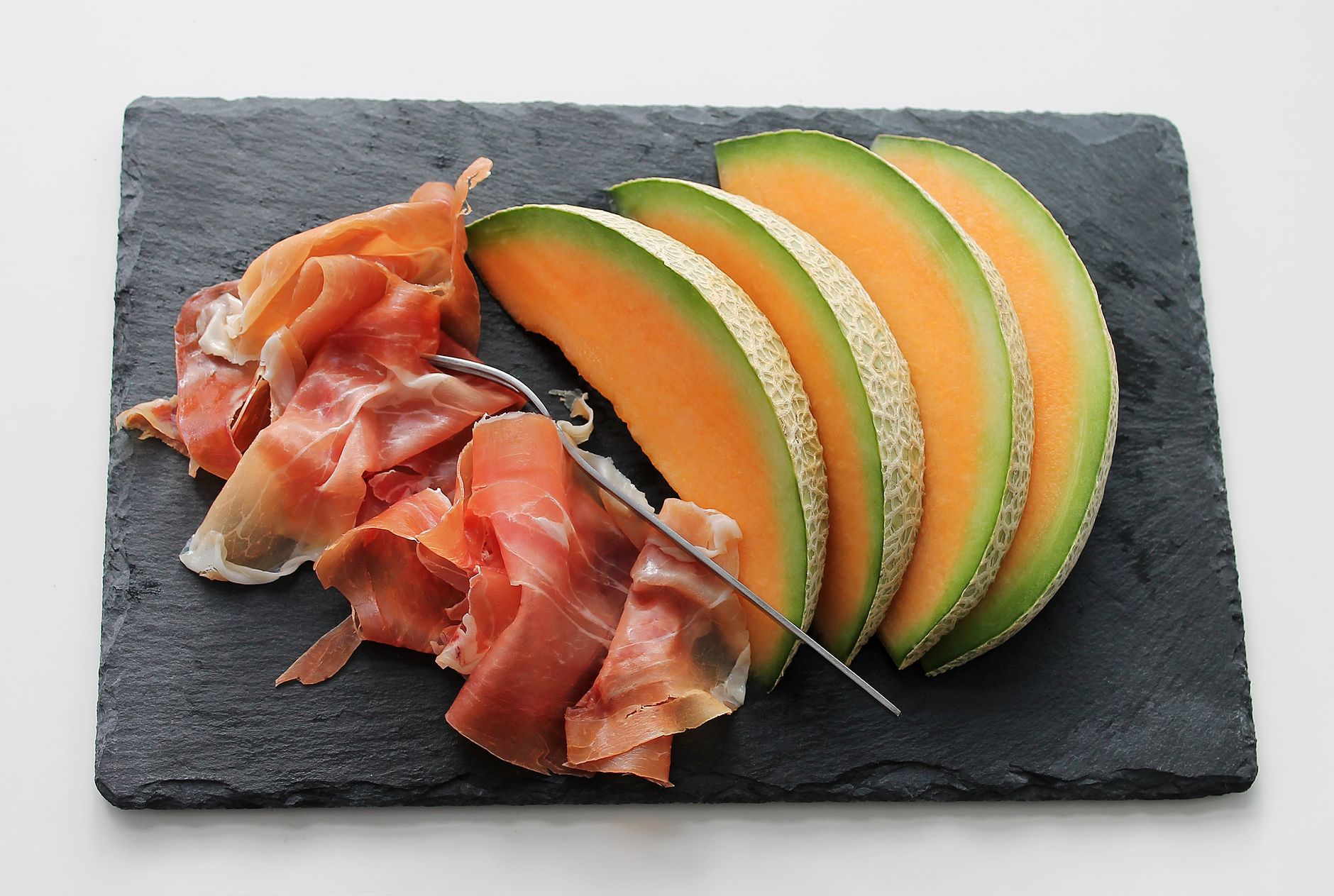
A social media phenomenon characterized by snack assemblies, charcuterie odds and ends, and minimal-prep evening meals has captured the attention of millions of consumers. Known broadly as girl dinner, the trend features user-generated videos depicting evening spreads composed of cheeses, cured meats, raw vegetables, olives, pickles, and packaged snacks. While the concept originated as a casual celebration of low-effort eating, it has evolved into a cultural flashpoint that highlights shifting consumer habits and broader economic pressures.
Reporting by NBC News indicates that the viral phenomenon has accumulated billions of views across short-form video platforms. The trend reflects a growing departure from traditional meal structures, particularly among younger demographics who live in single-person households or face unpredictable working hours. What began as a humorous acknowledgment of unpolished dining has quickly transformed into a recognized category within the broader food and beverage ecosystem.
The rise of low-prep, snack-centric dining is far from a mere social media fad. Market analysts note that consumer purchasing patterns increasingly favor convenience, small-portion variety, and assembly-based dining over traditional cooking from scratch. Supermarket chains and specialty grocers have taken notice, shifting inventory and merchandising strategies to highlight grab-and-go charcuterie elements, pre-sliced cheeses, and high-end packaged condiments.
Foodservice operators are also taking cues from the online trend. Several fast-casual and full-service restaurant concepts have introduced small-plate assortments, customized grazing boards, and premium snack platters to cater to guests seeking lighter, highly customizable meal options. By offering elevated versions of home snack plates, operators are finding new opportunities to boost average check sizes while appealing to diners who prefer sharing multiple small bites rather than ordering traditional entrees.
Despite its widespread popularity, the viral dining style has sparked significant debate among registered dietitians, public health experts, and social commentators. Supporters argue that the trend normalizes intuitive eating and removes the guilt associated with not preparing a full, multi-course meal after a long workday. For many consumers, assembling a plate of disparate shelf-stable ingredients offers an accessible, low-stress alternative to takeout or labor-intensive cooking.
Conversely, critics and health professionals raised concerns about the nutritional completeness of some featured meals. Online posts occasionally showcase spreads that fall short of recommended daily caloric and nutrient intake levels, sometimes consisting entirely of low-calorie snacks or sodium-heavy processed foods. Nutritionists interviewed by NBC News emphasized that while snack-based meals can easily incorporate balanced amounts of protein, fiber, and healthy fats, consumers should remain mindful of meeting their daily nutritional needs rather than relying solely on packaged convenience items.
Beyond health considerations, industry analysts view the popularity of casual snack plates through an economic lens. Persistent grocery inflation and rising menu prices at restaurants have forced many households to reevaluate their food spending. Assembling dinner from lingering pantry staples, discounted deli meats, and leftover produce serves as a practical cost-containment strategy for budget-conscious consumers seeking to minimize food waste.
Furthermore, the demographic realities of modern living contribute heavily to the adoption of simplified dining habits. Household sizes in urban centers continue to shrink, and single-person residences represent a growing share of the housing market. Cooking full meals for one individual often leads to excessive prep time, higher per-serving costs, and ingredient spoilage. Snack-style assemblies offer a scalable solution that aligns with the schedule and budget of independent adults.
As packaged food manufacturers and dining establishments monitor evolving consumer behaviors, the underlying mechanics of casual meal assembly are likely to permanently influence product development. Consumer packaged goods companies are accelerating the launch of single-serve charcuterie packs, portable protein trays, and artisan snack pairings designed explicitly for main-meal occasions.
The long-term legacy of the trend extends beyond a viral video movement. It represents a fundamental shift in how modern consumers view the traditional boundaries of breakfast, lunch, and dinner. As convenience, cost, and personal preference continue to drive food choices, the food service and grocery sectors will need to remain agile, adapting their offerings to support a marketplace where snack boards and informal plates regularly replace the classic sit-down dinner.
For the average consumer, the shift toward snack-style dining provides greater flexibility and validation for quick, fuss-free meal choices. You do not need to spend hours in the kitchen or order expensive food delivery to create a satisfying evening meal. Assembling a dinner from pantry staples, fresh fruits, vegetables, and proteins can be both economical and time-efficient.
At the same time, maintaining awareness of nutritional balance remains essential when replacing conventional meals with casual bite-sized spreads. Incorporating a mix of complex carbohydrates, lean proteins, and fiber-rich produce ensures that convenient eating still supports your long-term health goals. As grocery stores and restaurants expand their options for packaged snacks and grazing platters, shoppers can expect more diverse, high-quality choices tailored to low-effort dining routines.
Sources and methodology
Reported from the public datasets below.
More from the Foodie Pundit Newsroom
- National Restaurant Chains Scale Back Locations As Economic Pressures Mount
- How Short Video Trends Are Redefining Modern Restaurant Menus and Grocery Aisles
- Walmart and Target Redesign Apps and Private Labels to Win Over Gen Z Grocery Shoppers
- Grocery Inflation Remains Sticky as Retail Cart Totals Continue Upward Climb
- Viral Social Media Trends Force Rapid Overhaul Of Mainstream Restaurant Menus