Sober Curious Movement Drives Boom in Premium Nonalcoholic Craft Beers
Advanced brewing technology and shifting consumer habits are turning nonalcoholic beer into a lucrative powerhouse for bars and retailers.
By Foodie Pundit Newsroom - Published - Updated - Section: Wine Spirits
Key points
- Advanced brewing techniques like vacuum distillation and customized yeasts have significantly improved the flavor and mouthfeel of zero-proof beers.
- Restaurant and bar operators are capturing higher check averages by pricing premium nonalcoholic beers similarly to traditional craft brews.
- India Pale Ales lead the nonalcoholic category in flavor fidelity because strong hop profiles compensate for reduced alcohol body.
- Fewer shipping and distribution regulations allow nonalcoholic beer brands to scale quickly through direct-to-consumer online sales.
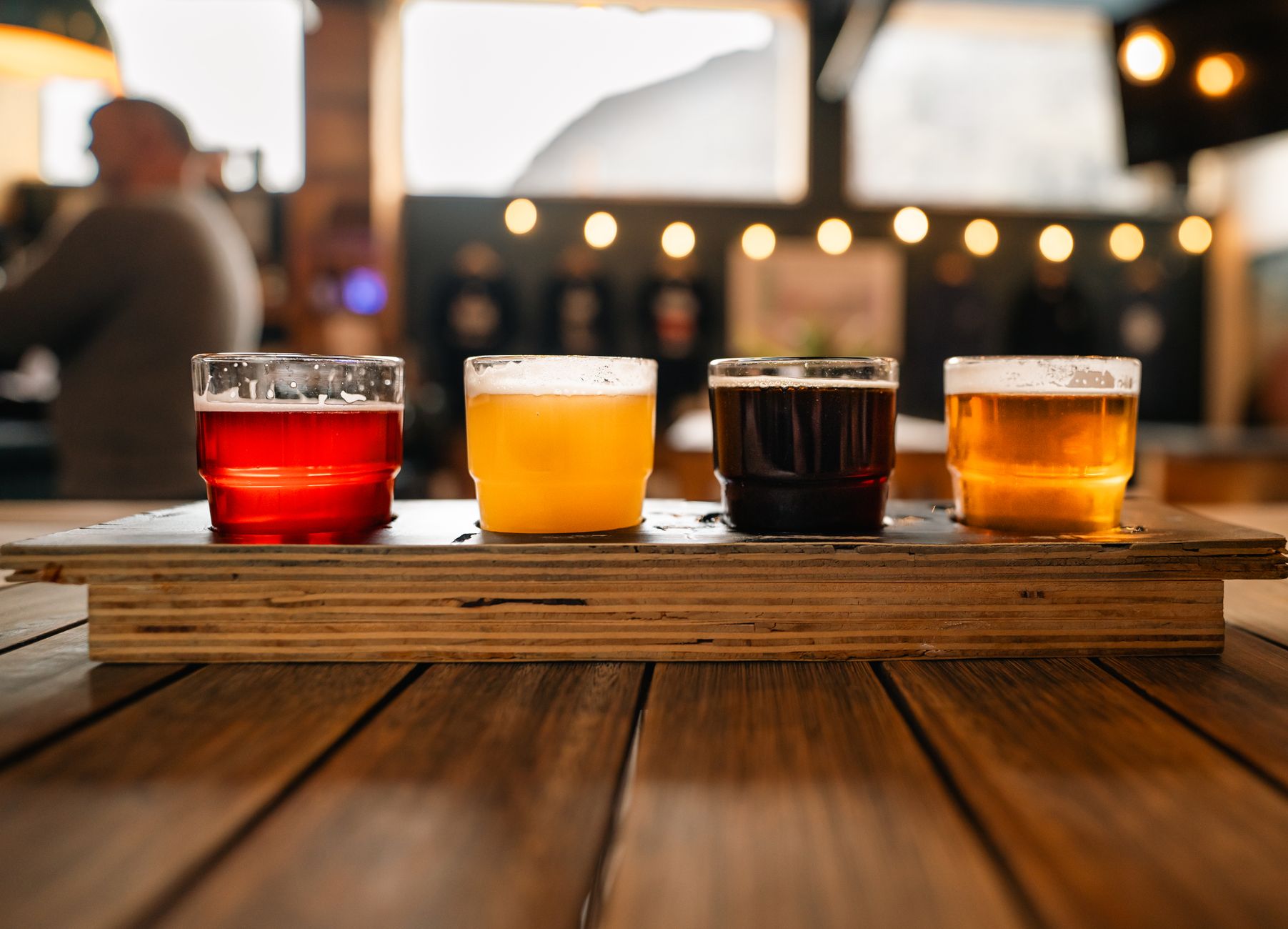
The nonalcoholic beverage sector is undergoing a massive transformation, shifting from a niche afterthought to a dominant economic engine within the global drink industry. Historically, consumers looking to avoid alcohol had to settle for overly sweet sodas, plain sparkling water, or poorly made nonalcoholic lagers that lacked body and complexity. Today, a wave of specialized craft breweries and legacy beverage giants are investing heavily in advanced dealcoholization technologies, creating zero-proof beers that mimic the exact flavor profiles, mouthfeel, and aroma of traditional brews.
According to reporting by NBC News, the rise of the sober curious movement has fundamentally altered how hospitality operators stock their bars and build their menus. Consumers across all demographics are re-evaluating their relationship with alcohol, driven by health consciousness, lifestyle optimizations, and a desire to socialized without the lingering side effects of intoxication. This shift is particularly pronounced among younger demographics, who drink significantly less alcohol than previous generations at the same age. Consequently, restaurant operators and grocery retailers are reallocating valuable shelf and tap space to meet this accelerating consumer demand.
Producing a high-quality nonalcoholic beer requires specialized brewing equipment and precise biological control. Traditional methods often involved stopping fermentation early so the yeast did not create ethanol. However, this method frequently left unfermented sugars in the liquid, resulting in a heavy, worty flavor that tasted nothing like standard beer. Modern craft nonalcoholic brewers have largely abandoned this practice in favor of sophisticated filtration systems, vacuum distillation, and proprietary yeast strains.
Vacuum distillation allows brewers to lower the boiling point of alcohol, enabling them to evaporate the ethanol at gentle temperatures without scorching the delicate hop compounds and malt profiles. Another popular methodology involves reverse osmosis, where the beer is pushed through fine membranes to separate the alcohol and water from the flavor compounds, allowing the alcohol to be extracted before recombining the remaining ingredients. Additionally, newly developed yeast strains can ferment sugars into flavor compounds without yielding significant amounts of alcohol. These technological breakthroughs have dramatically raised the baseline quality of zero-proof beer.
THE ECONOMIC IMPACT ON RESTAURANTS AND BARS
For restaurant owners and bar managers, the economic calculus surrounding nonalcoholic beer has shifted dramatically. Historically, nonalcoholic choices carried low profit margins and suffered from low consumer adoption. Today, patrons are willing to pay premium craft beer prices for high-end nonalcoholic IPAs, stouts, and wheat beers. This willingness to spend allows venue operators to maintain high average check sizes while catering to non-drinking guests who might otherwise stick to free tap water.
Furthermore, the presence of robust zero-proof beverage options directly influences party dynamics. A group of diners is far more likely to select a restaurant that offers premium nonalcoholic beers if one member of the party does not drink alcohol. By providing sophisticated alcohol-free alternatives, establishments prevent lost revenue from entire parties opting to dine elsewhere. Restaurant buyers are now treating nonalcoholic beer selections with the same level of curation and cellar management as their standard craft beer lists.
As evaluated in the recent NBC News tasting roundups, the nonalcoholic craft beer market spans virtually every traditional style, though results vary widely across categories. India Pale Ales have emerged as one of the most successful nonalcoholic styles on the market. The aggressive hop profiles, citrus aromatics, and piney bitterness characteristic of IPAs help mask the lack of alcohol body, delivering an experience that closely mirrors a standard craft beer.
Crisp lagers and pilsners have also seen remarkable improvements, relying on crisp carbonation and clean malt backbones to deliver refreshing flavor profiles. Conversely, heavy stouts and Belgian-style ales present greater challenges for zero-proof brewers, as alcohol provides much of the viscous texture and warming mouthfeel expected in darker styles. Despite these challenges, continuous research and development are narrowing the gap between traditional and zero-proof variants across all categories.
RETAIL DISTRIBUTION AND SUPPLY CHAIN EXPANISION
The rapid growth of the nonalcoholic sector has also reshaped grocery shelf architecture and distribution networks. Major beverage distributors that once handled only standard alcoholic products have established dedicated divisions for nonalcoholic brands. Retail giant shelf space for nonalcoholic beer has expanded significantly, with dedicated sections featured prominently in premium grocery stores and boutique specialty shops.
Unlike traditional alcoholic beverages, which are bound by strict three-tier distribution laws and regional shipping restrictions in many jurisdictions, true zero-proof beers containing under half a percent of alcohol by volume face fewer regulatory hurdles. This regulatory flexibility allows nonalcoholic brands to sell directly to consumers online, build direct subscriptions, and ship products effortlessly across state lines. This omni-channel reach speeds up brand scaling and accelerates overall market penetration compared to conventional craft breweries.
As a consumer or restaurant diner, the expansion of the nonalcoholic beer market offers unprecedented flexibility and choice. You no longer need to compromise on flavor or social experience when choosing to skip alcohol during a meal or night out. Expect to see expanded zero-proof beer lists at your favorite local restaurants, with draft lines increasingly dedicated to craft nonalcoholic options alongside traditional beers.
For industry operators, integrating high-quality nonalcoholic options is no longer optional, but rather a essential strategy for maximizing guest satisfaction and check averages. stocking premium zero-proof brews ensures your venue captures revenue from health-conscious diners, designated drivers, and sober patrons who want a sophisticated beverage experience without the alcohol content.
Sources and methodology
Reported from the public datasets below.
More from the Foodie Pundit Newsroom
- Zero Proof Boom Drives Innovation and High Margins Across Beer Industry
- Behind the Rapid Expansion of the Non-Alcoholic Craft Beer Market
- The Non-Alcoholic Craft Beer Boom Is Reshaping Restaurant Draft Lines and Retail Aisles
- The Rise of Craft Non-Alcoholic Beer Reshapes Industry Economics
- Zero-Proof Brewing Tech Transforms Non-Alcoholic Beer Market