Social Media Lobster Tan Craze Highlights Persistent Sun Damage Risks
Viral social media videos highlighting severe sunburns reflect a dangerous misunderstanding of UV damage and long term health costs.
By Foodie Pundit Newsroom - Published - Section: Social Virality
Key points
- Viral trends encouraging extreme sun exposure downplay the severe risks of ultraviolet tissue damage.
- Experiencing just five severe sunburns in a lifetime doubles an individual risk of developing melanoma.
- Modern sun care formulations and UV protective apparel offer easy, stylish alternatives to dangerous overexposure.
- Preventive skin protection reduces long term personal healthcare expenditures and avoids systemic sun poisoning risks.
THE RISE OF SUNBURN CULTURE ON SOCIAL MEDIA
Short video platforms have witnessed an influx of creators showcasing extreme sunburns, characterized by bright red skin that mimics the appearance of a boiled lobster. While the trend initially gained traction as a humorous, self-deprecating badge of honor among beachgoers and vacationers, health experts and industry analysts are voicing deep concerns. What appears to be lighthearted internet comedy is shedding light on a persistent public health misunderstanding regarding UV exposure and long-term skin protection.
The trend typically involves users recording short video clips of their reddened skin immediately following an afternoon spent outdoors without adequate sunblock. Many of these posts use trending audio tracks or comedic captions to downplay the severity of the burns, comparing their shade of red to seafood or bright textiles. This aesthetic presentation converts severe tissue damage into a fleeting social media punchline, encouraging younger audiences to view severe sunburns as a normal, relatable consequence of summer recreation.
Tracking digital engagement reveals that content featuring severe sunburns consistently yields high view counts and elevated comment activity. The viral nature of these posts thrives on shock value and visual contrast, which algorithms tend to amplify. Consequently, content creators are incentivized to highlight, and occasionally deliberately pursue, intense sun exposure to capture audience attention during peak travel seasons.
THE DERMATOLOGICAL REALITY BEHIND THE GLOW
Medical professionals interviewed in reporting by Today emphasize that the lobster look is anything but benign. A severe sunburn represents an acute inflammatory response to excessive ultraviolet radiation, which damages the cellular structure of the outermost layers of skin. The bright red coloration is the body attempting to heal itself by dilating blood vessels to flood the damaged tissue with blood and immune cells.
Repeated exposure to ultraviolet radiation without adequate protection leads to cumulative cellular mutations. Dermatologists point out that suffering just five sunburns over the course of a lifetime doubles an individual risk of developing melanoma, the most serious form of skin cancer. Even non-melanoma skin cancers, along with premature aging and permanent hyperpigmentation, are heavily correlated with the type of intense sun exposure currently being normalized on digital platforms.
Beyond the long-term cancer risks, acute severe sunburns can cause immediate systemic distress. Conditions such as sun poisoning can manifest through blistering, fever, chills, dizziness, and severe dehydration. These symptoms frequently require urgent medical intervention and fluid replenishment, turning what was intended to be a relaxed day outdoors into an expensive emergency room visit.
ECONOMIC IMPLICATIONS FOR HEALTHCARE AND LEISURE
The normalization of extreme sun exposure carries significant financial implications for both consumers and the broader healthcare system. Treating skin conditions resulting from chronic and acute UV damage costs the global healthcare infrastructure billions of dollars annually. As younger demographics embrace behaviors that elevate their lifetime risk profiles, long-term dermatology costs are projected to rise proportionally over the coming decades.
At the same time, the wellness and personal care markets are seeing a shift in consumer demand driven by these viral phenomena. Sales of after-sun gels, topical pain relief sprays, and heavy moisturizers spike during peak summer months as consumers seek quick remedies for severe burns. However, retail analysts note that over-the-counter soothing products merely manage symptoms rather than repairing underlying genetic damage caused by ultraviolet radiation.
Resort operators and outdoor hospitality brands are also evaluating how these social trends affect guest behavior and liability. High-end venues are increasingly incorporating complimentary sunscreen dispensers and shaded lounges into their properties to mitigate guest overexposure. Preventing severe sun incidents is becoming a priority for hospitality managers who want to avoid negative guest experiences and ensure a safe environment for outdoor dining and recreation.
CHANGING CONSUMER BEHAVIOR AND PROTECTIVE TRENDS
In response to the viral popularity of intense burns, a counter-movement advocating for rigorous sun protection is gaining momentum across the same social platforms. Dermatologists, skincare influencers, and medical advocates are leveraging short-form video formats to debunk myths surrounding sun exposure. These creators emphasize the importance of broad-spectrum sunscreens, protective apparel, and smart scheduling during peak UV hours.
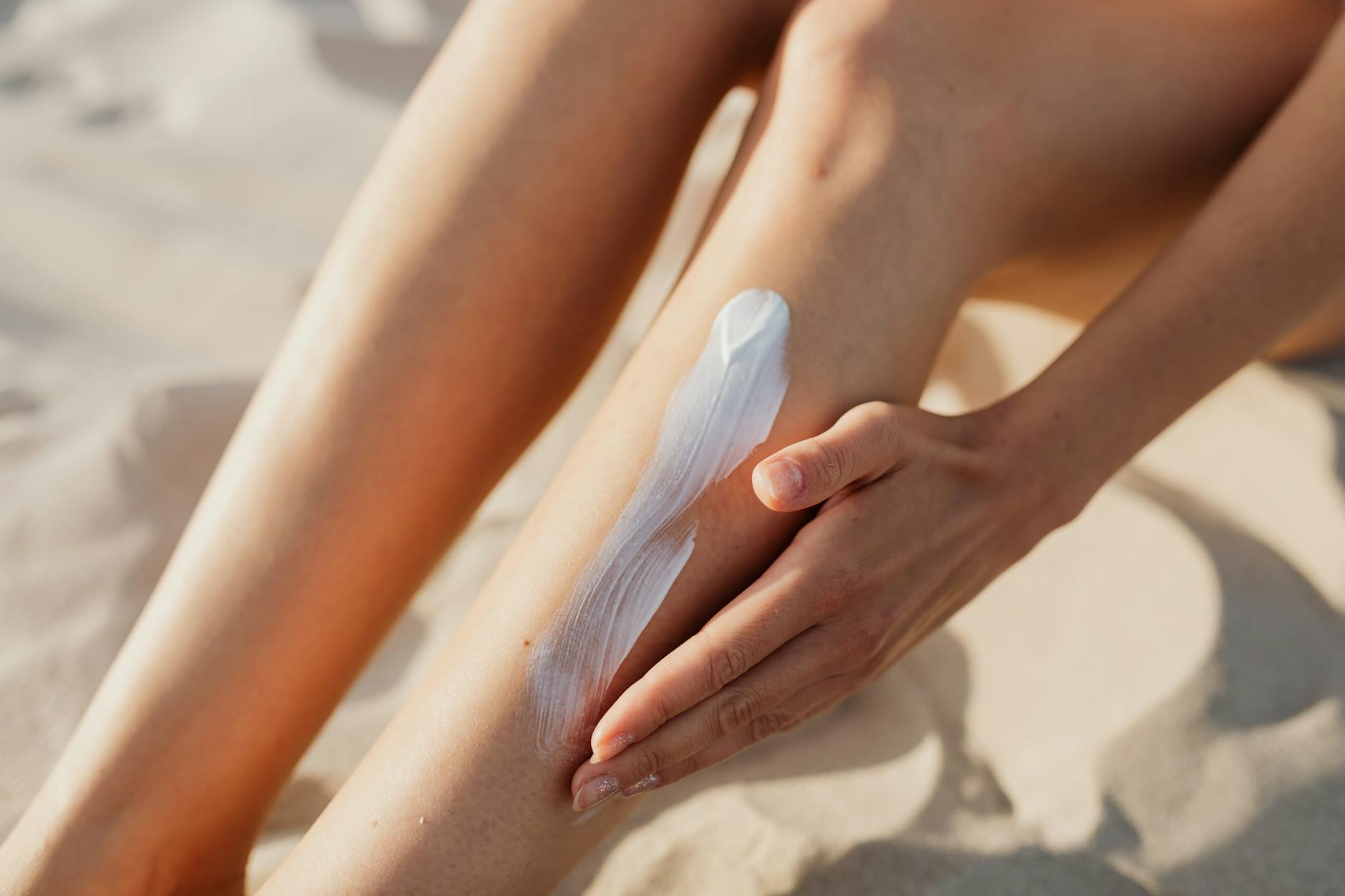
Innovations in the sun care market are making compliance easier and more appealing for everyday consumers. Modern sunscreen formulations have moved away from chalky, heavy creams to lightweight, invisible gels and hydrating sprays that integrate seamlessly into daily routines. Furthermore, sun-protective clothing rated with high ultraviolet protection factors is expanding into fashionable activewear, allowing outdoor enthusiasts to stay protected without sacrificing personal style.
regulatory agencies and health organizations are also watching digital media trends closely to determine if updated public education campaigns are required. Public health authorities recognize that traditional warning messages often fail to resonate with younger audiences who prioritize short-term social aesthetic over long-term wellness. Replicating the visual format of viral trends to deliver clear science-based education remains a critical focus for preventive healthcare strategies.
Navigating summer outdoor activities requires balancing recreational enjoyment with proactive health management. Relying on social media trends for health cues can lead to misinformed choices that result in permanent tissue damage and increased long-term medical expenditures. Prioritizing broad-spectrum sunscreen application, seeking shade during mid-day hours, and utilizing protective clothing remain the most effective strategies for safe sun exposure.
For consumers and professionals alike, recognizing the true cost of sun damage goes beyond immediate physical discomfort. Investing in high-quality sun protection and adopting preventative habits shields you from future healthcare expenses while preserving overall skin health. Enjoying the outdoors safely ensures that your leisure time remains restorative rather than a hazard to your physical and financial well-being.
Sources and methodology
Reported from the public datasets below.
More from the Foodie Pundit Newsroom
- Rising Lobster Tan Trend Prompts Urgent Health Warnings Amid Social Media Craze
- Viral Lobster Tan Aesthetic Masks Dangerous Biological Reality for Summer Beachgoers
- Watermelon and Mustard Trend Reveals How Social Media Drives Food Industry Innovation
- Viral Lobster Tan Craze Sparks Health Warnings and Exposes Shifts in Sun Care Market
- Fast Casual Chains Rationalize Store Footprints Amid Rising Prime Costs