Sophisticated Non-Alcoholic Spirits Reshape Restaurant Menus and Retail Shelves
Advanced distillation techniques and shifting consumer habits are driving massive growth in premium non-alcoholic spirits and zero-proof bar programs.
By Foodie Pundit Newsroom - Published - Updated - Section: Wine Spirits
Key points
- Advanced distillation and extraction technologies allow manufacturers to replicate the complex burn and aroma profile of alcohol without ethanol.
- The zero-proof market is largely sustained by moderate drinkers who alternate between traditional and non-alcoholic beverages rather than total abstainers.
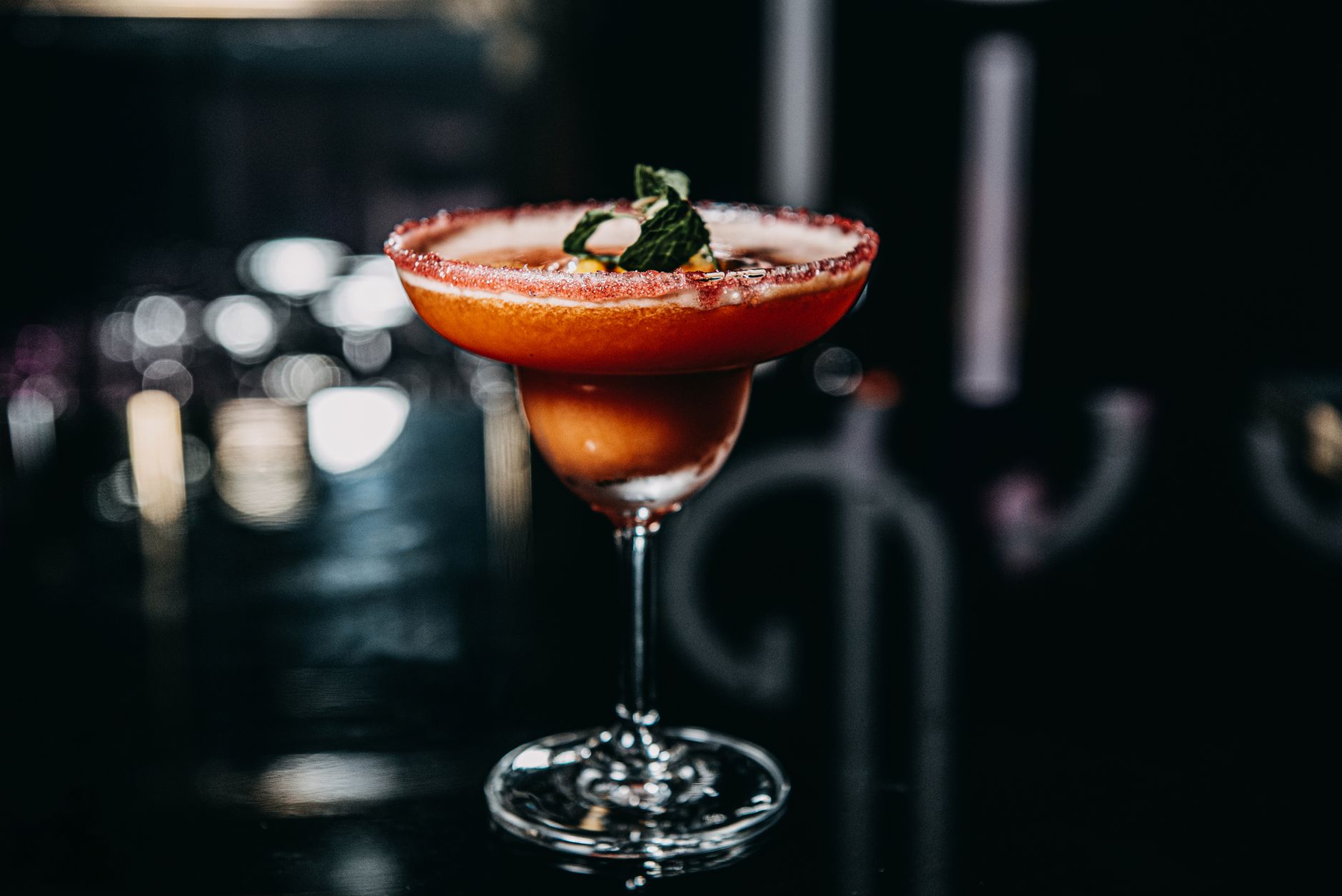
- Restaurants and bars generate strong profit margins by selling premium zero-proof cocktails at price points comparable to traditional drinks.
- Retail availability is expanding through dedicated non-alcoholic bottle shops, mainstream supermarket shelves, and major distribution networks.
The commercial beverage market is undergoing a structural shift as non-alcoholic alternatives move from niche health food stores to primary bar menus nationwide. Industry data published by Beverage Industry Magazine highlights a rapid expansion in sophisticated zero-proof spirits, dealcoholized wines, and complex functional botanicals. Operators are no longer treating non-drinking patrons as an afterthought, opting instead to build high-margin zero-proof cocktail programs.
For decades, non-alcoholic options at commercial establishments were limited to tap water, club soda, sweetened juices, or simple mass-market soft drinks. These legacy items carried low price points and offered virtually no culinary pairing value or aesthetic appeal to consumers seeking an elevated dining experience. Today, specialized beverage manufacturers utilize sophisticated distillation and extraction techniques to replicate the mouthfeel, aroma, and complexity of traditional spirits.
Consumer demographics driving this market shift extend far beyond individuals practicing total lifetime abstinence from alcohol. Industry surveys indicate that a majority of non-alcoholic product buyers also purchase traditional alcoholic beverages, using zero-proof options to moderate consumption during social occasions. This hybrid consumption model has created a massive addressable market that appeals to health-conscious millennials, Generation Z consumers, and wellness-focused older adults alike.
MANUFACTURING ADVANCEMENTS ELEVATE LIQUID QUALITY
Creating a convincing non-alcoholic spirit requires advanced chemical engineering and specialized processing equipment that was rarely utilized in commercial beverage production a decade ago. Standard vacuum distillation allows producers to strip ethanol from fermented liquids at lower temperatures, preserving volatile aroma compounds that would otherwise be destroyed by traditional heat.
Alternative manufacturing methods bypass fermentation entirely, blending botanical distillates, natural terpenes, and gentle organic acids to build structure without alcohol. To replicate the distinct burn and drying sensation usually provided by ethanol, formulators rely on natural extracts derived from chili peppers, Sichuan peppercorns, and oak tannins. These ingredients stimulate the trigeminal nerve, providing a physical sensation that mimics the sensory impact of high-proof spirits.
Dealcoholized wine and beer have similarly benefited from technological refinements such as reverse osmosis and spinning cone column technology. These processes separate fragile flavor compounds from alcohol and water fractions, allowing winemakers and brewers to recombine essential flavor elements while keeping final alcohol levels below the legal threshold of zero point five percent by volume.
OPERATIONAL ECONOMICS AND OPERATOR MARGINS
From an economic perspective, zero-proof beverage programs represent a highly profitable frontier for hospitality operators facing rising labor and food costs. Premium non-alcoholic cocktails frequently command prices ranging from twelve to eighteen dollars in major metropolitan markets, approaching the price point of traditional alcoholic cocktails.
Because the underlying ingredient costs for botanical distillates, specialized syrups, and fresh juices are often lower than high-end physical spirits subject to heavy sin taxes, gross profit margins on zero-proof cocktails can be exceptionally strong. Bars and restaurants also benefit from reduced liability exposure and lower risk of service disruptions associated with over-intoxication.
Distribution networks have rapidly adapted to meet growing wholesale demand for zero-proof products across multiple retail sectors. Specialized beverage distributors now carry dedicated non-alcoholic portfolios, while traditional alcohol distributors are aggressively acquiring distribution rights for leading zero-proof brands. This streamlined supply chain allows venue managers to source complex non-alcoholic inventory alongside their standard spirits and wine shipments.
The retail sector has seen a parallel surge in dedicated non-alcoholic bottle shops opening in urban centers across the country. These boutique stores offer curated selections of zero-proof gins, aperitifs, dark spirits, and craft beers, providing educated staff to guide consumers through tasting profiles and mixing techniques.
Mainstream grocery chains and big-box retailers have expanded their dedicated zero-proof shelf space in response to steady sales growth. Major beverage conglomerates are taking notice, acquiring emerging non-alcoholic brands or developing internal zero-proof extensions of flagship liquor and beer labels. This institutional capital ensures that research, development, and marketing budgets for zero-proof offerings will continue to expand over the coming years.
Modern bar carts in private homes increasingly reflect these broader industry trends, featuring dedicated space for functional botanicals and zero-proof spirits alongside traditional liquors. Host culture has evolved to demand inclusive beverage options that allow non-drinking guests to participate fully in social rituals without compromising on flavor, presentation, or complexity.
As a consumer, the expansion of the non-alcoholic beverage category means you no longer have to sacrifice taste, presentation, or social engagement when choosing not to drink alcohol. Restaurant and bar patrons can now expect fully realized, thoughtful zero-proof cocktail menus that feature high-grade ingredients and complex flavor profiles rather than basic sugary syrups.
You will also find significantly greater availability and variety at neighborhood retail stores, making it easier to stock your home bar with sophisticated options for personal moderation or entertaining guests. While premium zero-proof spirits often match the price tag of traditional alcohol due to complex manufacturing processes, the resulting quality offers a genuinely comparable tasting experience for any social occasion.