Spring Farmers Markets Return As Seasonal Supply Chains Shift Local
The arrival of fresh regional crops offers consumers higher culinary quality while driving essential revenue to independent agricultural operators.
By Foodie Pundit Newsroom - Published - Updated - Section: Chain Watch
Key points
- Early spring harvests bring tender leafy greens, asparagus, and radishes to local markets, offering shorter supply chains and higher freshness.
- Direct-to-consumer market structures eliminate intermediary logistics costs, returning a higher share of retail dollars directly to regional farm operators.
- Purchasing fresh, locally harvested produce reduces household food waste due to extended home shelf life compared to long-distance imported retail items.
- Small farms utilize spring sales and Community Supported Agriculture programs to generate essential liquidity following low-revenue winter months.
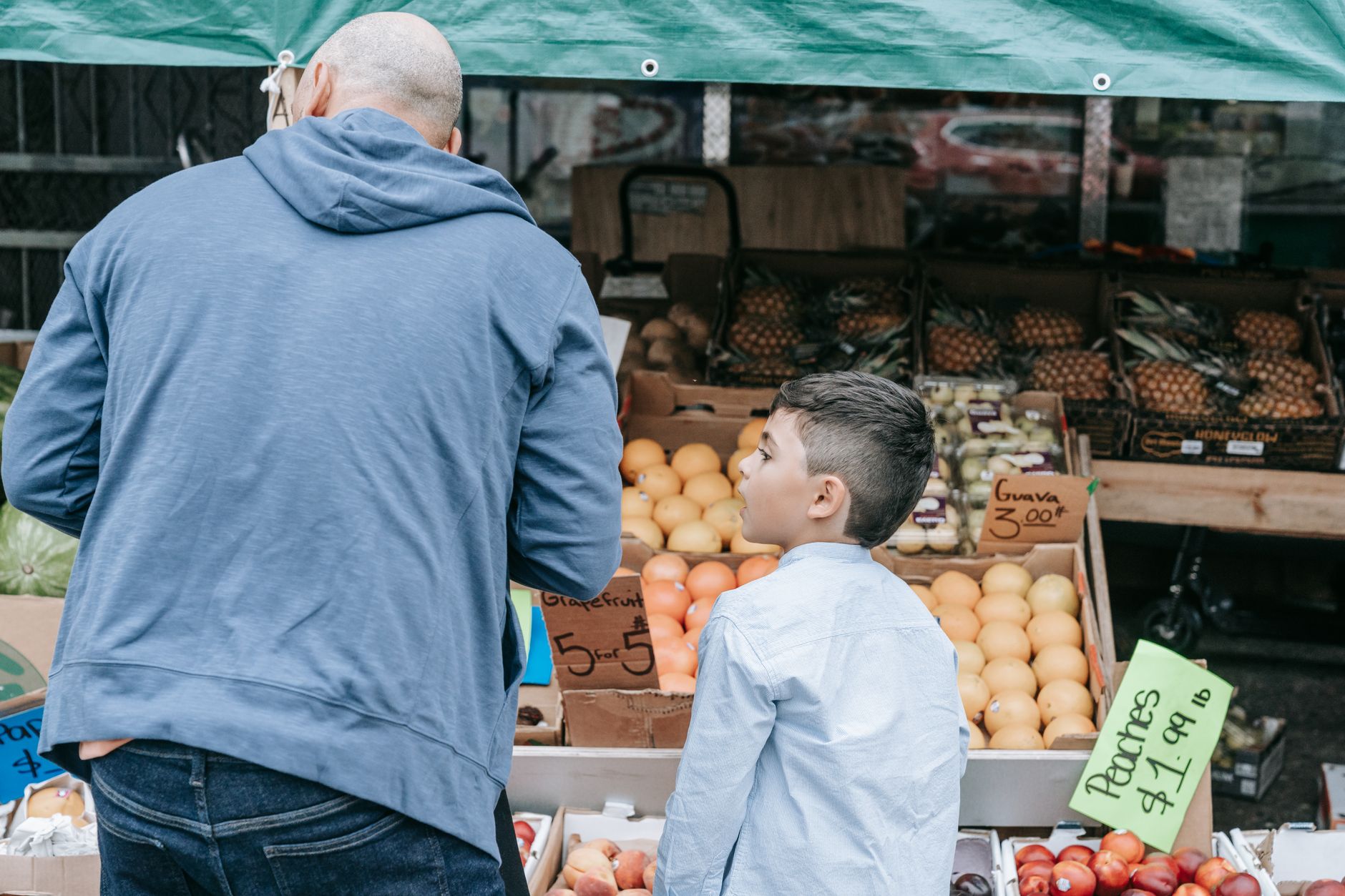
The transition into the spring agricultural season marks a pivotal moment for domestic produce markets, regional farm operators, and consumer food expenditure. As winter temperatures yield to milder weather across major growing regions, local farmers markets are experiencing a surge in vendor participation and product diversity. Fresh leafy greens, radishes, asparagus, and early berries are entering distribution networks in larger volumes. This shift provides relief to supply chains that rely on heavily packaged, long-distance imports during the cold months.
According to reporting by NBC News, the arrival of spring produce offers consumers a direct line to peak flavor profiles and elevated nutrition profiles. Regional direct-to-consumer sales channels generate vital cash flow for small and mid-sized agricultural businesses. These farm operations rely heavily on early spring revenue to fund labor, seeds, and equipment maintenance for the broader growing calendar. When shoppers pivot away from standard retail grocery chains toward outdoor community markets, they reallocate capital directly into regional farm economies.
Direct agricultural marketing structures, including roadside stands and urban farmers markets, operate under distinct economic mechanics compared to corporate supermarket chains. Traditional grocery stores rely on complex logistics networks, cold-storage warehousing, and distributor markups that insulate consumers from short-term harvest swings but inflate baseline transportation costs. In contrast, local farmers markets minimize middleman overhead, allowing growers to capture a higher percentage of the final retail dollar while offering freshly harvested crops.
Pricing at seasonal markets reflects local soil conditions, labor availability, and immediate weather impacts rather than international freight indexes. While certified organic or low-spray produce at outdoor markets can command a premium price point, the superior shelf life of freshly picked items often reduces household food waste. Produce that spends fewer days in transit retains higher moisture levels and nutrient density, allowing consumers to stretch their grocery budgets by minimizing spoil rates at home.
For regional farm operators, early spring sales represent a crucial liquidity event following months of overhead expenses without active crop yields. Infrastructure investments, such as high-tunnel greenhouses and hoop houses, have enabled growers to extend their seasonal windows and bring delicate produce to market weeks ahead of traditional field harvests. These technology adaptations allow small farms to capture early market share before major commercial farming regions flood the wholesale market with high-volume shipments.
By establishing direct relationships with retail buyers and household shoppers early in the season, growers secure predictable demand profiles. Many producers utilize early spring farmers market stalls to market Community Supported Agriculture subscriptions, securing upfront capital from consumers in exchange for weekly crop allocations throughout the summer. This consumer funding mechanism reduces farm debt dependencies and cushions operators against climate disruptions or localized crop failures later in the year.
Shift in consumer purchasing habits during the spring months also creates ripple effects across the food service industry. Independent restaurant operators and culinary professionals frequently source seasonal ingredients directly from local market vendors to craft limited-time menu offerings. Highlighting hyper-local items like ramps, spring onions, and tender brassicas allows dining establishments to justify premium menu pricing while satisfying diner demand for fresh, origin-verified ingredients.
Retail shoppers are similarly adjusting their meal planning strategies around seasonal availability. Culinary educators emphasize that cooking with early spring produce requires minimal preparation techniques, as young vegetables feature delicate cell structures and subtle flavor notes. As economic pressures encourage more households to balance dining out with home cooking, farmers markets serve as an accessible entry point for consumers looking to elevate simple home meals without expensive specialty pantry items.
Navigating seasonal markets effectively requires an understanding of regional harvest schedules and proper post-purchase handling. Early morning market visits typically offer access to the highest quality selections and limited-yield forage items that sell out quickly. Engaging directly with farm vendors provides valuable insights into crop varieties, ideal storage methods, and peak flavor windows that standard grocery shelf labels cannot convey.
Proper cold-chain management begins immediately after purchase, particularly for tender greens and early berries that deteriorate rapidly under warm ambient temperatures. Storing delicate leafy vegetables in breathable containers with damp paper towels helps maintain moisture balance and prevents premature wilting. Understanding the short shelf life of un-preserved local produce encourages efficient meal planning, ensuring that consumers fully capture the economic and culinary value of their market purchases.
The seasonal return of local produce offers an immediate opportunity to optimize household food budgets and improve ingredient quality. By shifting a portion of your weekly produce purchases to neighborhood farmers markets, you reduce the implicit transportation costs embedded in standard supermarket pricing while supporting independent farm businesses in your regional economy. Freshly harvested crops contain higher nutrient concentrations and last longer in home refrigeration, directly reducing waste from spoiled groceries.
Integrating spring staples into your routine menu planning allows you to experiment with low-intervention cooking methods that emphasize natural flavors over costly prepared sauces or imported goods. To maximize your value, establish consistent relationships with local growers, ask questions about harvest timing, and invest in basic produce storage techniques. Supporting direct agricultural channels strengthens regional food system resilience while delivering superior dining experiences at home throughout the spring and summer seasons.
Sources and methodology
Reported from the public datasets below.
More from the Foodie Pundit Newsroom
- The Frozen Pastry Hybrid Driving High Summer Margins for Retail Bakeries
- Gen Z Redefines Dining Through Global Snacks and Sustainable Choices
- How Viral Social Media Pasta Salads Are Reshaping Summer Grocery Trends
- How Food Brands Use Health Halos To Hide Junk Ingredients
- UK Grocery Price Hikes Outstrip European Neighbors as Shoppers Face Record Inflation