Spring Harvest Supply Chains Activate As Regional Produce Returns To Local Markets
As regional harvests begin, direct-to-consumer food markets offer crucial financial support to local growers while shifting procurement dynamics across the dini
By Foodie Pundit Newsroom - Published - Updated - Section: Chain Watch
Key points
- Early spring harvests provide immediate liquidity and higher profit margins for regional family farms.
- Direct produce sales keep a larger share of food spending within local municipal economies.
- Shortened field-to-kitchen supply chains reduce spoilage and improve overall ingredient shelf life.
- Restaurant operators leverage regional spring crops to balance procurement costs and refresh menus.
SPRING PRODUCE ARRIVES IN NORTH AMERICAN MARKETS
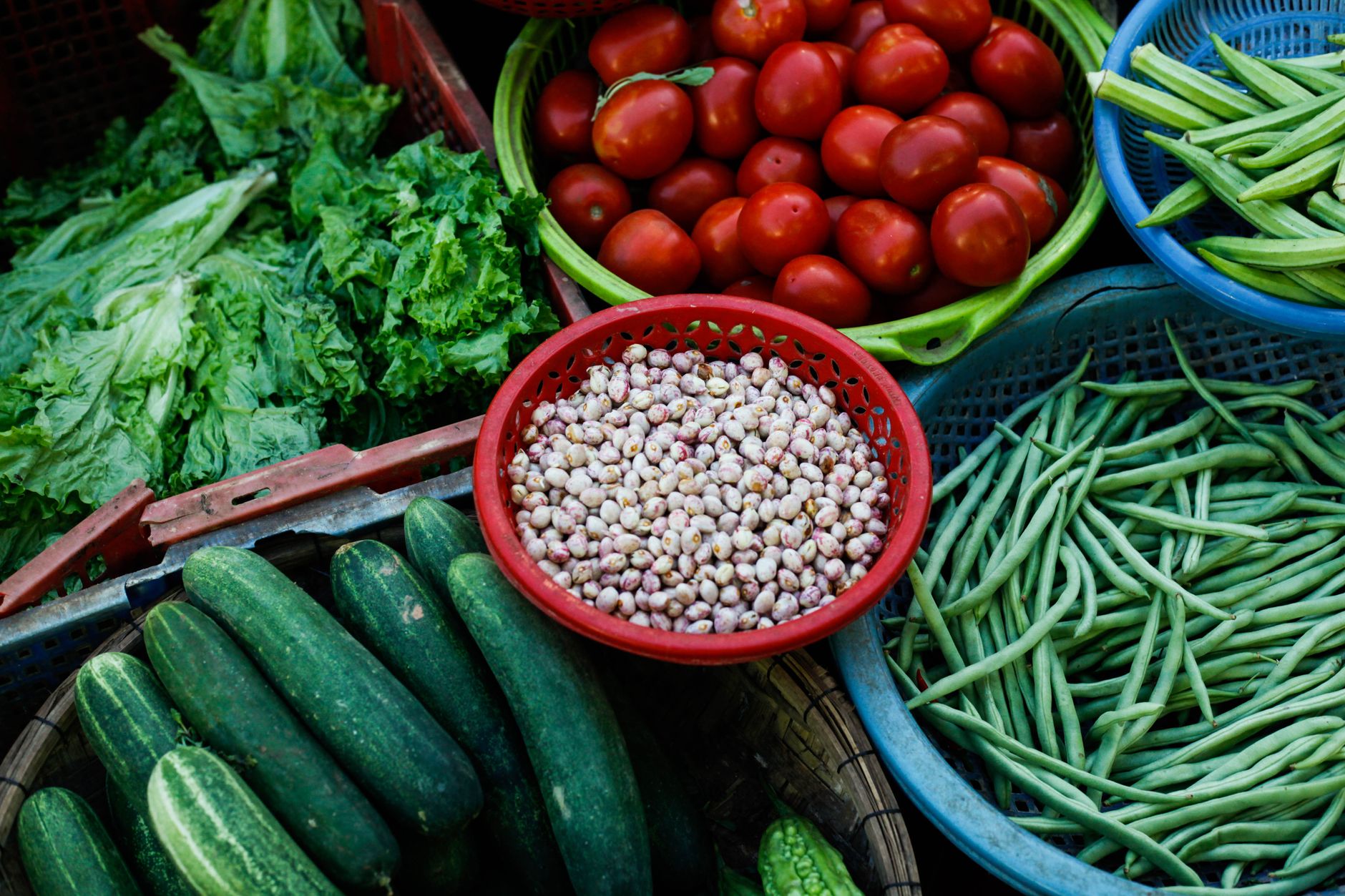
Agricultural supply chains across North America are shifting into spring operations as regional growers bring the season's first harvested crops to consumer markets. After months of relying heavily on cold-storage staples and imports from warm-weather regions, regional food systems are transitioning toward fresh local produce. This seasonal shift carries significant economic implications for independent farmers, regional logistics networks, and retail food buyers navigating shifting commodity prices.
Reporting by NBC News highlights how the annual return of seasonal markets marks a crucial financial window for small and mid-sized agricultural operations. Farmers markets and direct-to-consumer sales channels provide growers with immediate liquidity and higher profit margins compared to wholesale distribution networks. These direct retail channels allow farms to capture a larger percentage of the food dollar by eliminating intermediary brokers and long-distance freight fees.
For commercial food service operators and domestic consumers, the arrival of spring crops alters sourcing strategies and menu planning. Early harvest items like radishes, leafy greens, asparagus, and pea shoots signal the start of a multi-month period where local supply increases significantly. Higher local availability helps temper localized produce costs, providing relief to restaurant procurement teams facing broader inflationary pressures on center-of-the-plate ingredients.
DIRECT MARKETING ECONOMICS AND FARM FLOTATION
Direct marketing venues such as local stalls and community supported agriculture memberships are vital cash-flow engines for family farms. According to agricultural economists, direct-to-consumer sales allow small producers to command full retail value for specialized or delicate crop varieties that do not withstand traditional wholesale shipping protocols. The immediate cash flow generated during early spring helps offset the substantial upfront capital expenses incurred during winter planting and equipment maintenance.
These localized market ecosystems also bolster regional economic resilience by keeping agricultural dollars within municipal economies. When consumers purchase directly from local growers, a higher proportion of that capital recirculates locally through farm labor wages, equipment purchases, and municipal fees. In contrast, standard national food distribution routes often allocate less than fifteen cents of every retail consumer dollar back to the original farm operator.
The direct sales model is not without financial risk for regional growers. Weather volatility, late seasonal frosts, and unpredicted labor shortages can severely disrupt early harvest timelines. A delayed spring harvest strains farm liquidity, forcing operators to rely on line-of-credit financing until peak crop volume arrives later in the season.
RETAIL AND RESTAURANT SUPPLY CHAIN IMPACTS
The seasonal shift toward local produce alters procurement dynamics across the food service industry. Independent restaurants, boutique caterers, and institutional dining providers increasingly leverage farm-direct relationships to secure high-quality ingredients with minimal shelf-life loss. Reducing transit time from field to kitchen allows commercial buyers to capture superior flavor profiles and minimize inventory shrinkage caused by spoilage.
Wholesale produce distributors are also adapting to these changing consumer and restaurant demands. Major food service distributors now integrate regional farm networks into their logistics hubs to offer buyers locally sourced product lines. This hybrid model combines the consolidation benefits of broadline distribution with the marketing appeal of farm-traceable produce, allowing mainstream grocery retailers and chain restaurants to capture seasonal demand.
Pricing dynamics during the early spring transition can be volatile before settling into mid-summer balance. Initial yields are frequently modest, leading to premium pricing at farmers markets and specialty produce desks. As harvest volumes swell throughout late spring and early summer, increased supply exerts downward pressure on retail prices, making local produce broadly competitive with conventional grocery store offerings.
NUTRITIONAL DENSITY AND SHELF LIFE EXTENSION
Beyond the financial mechanics of localized food networks, the rapid delivery model of farm-direct markets yields distinct quality advantages. Produce harvested at peak maturity and sold within hours retains higher concentrations of essential vitamins, minerals, and volatile aromatic compounds compared to crops picked early for long-distance transit. Long distribution chains often require artificial ripening agents or protective atmospheric packaging, which can alter texture and flavor.
The extended shelf life of fresh-harvested local produce provides another understated economic benefit for residential consumers and commercial kitchens alike. Ingredients that have not spent days in refrigerated freight containers retain structural integrity significantly longer in storage. This reduced rate of degradation translates directly into lower food waste, maximizing the practical yield of every wholesale order or household grocery run.
Consumer demand for fresh, minimally processed ingredients continues to reshape retail grocery inventory management. Supermarket chains have expanded their seasonal purchasing programs to stock regional items alongside standard commodity produce. This structural alignment between large-scale grocery buyers and smaller regional farm networks demonstrates the growing commercial importance of seasonal supply dynamics.
For consumers and restaurant patrons, the return of spring produce offers a practical opportunity to optimize food spending while accessing superior ingredient quality. Purchasing seasonal items at local markets or regional grocery desks aligns your buying habits with peak harvest supply, which typically yields the best balance of price, flavor, and shelf life. Supporting regional farm networks builds local economic stability and preserves working agricultural land within your surrounding community. Commercial food operators can leverage early spring produce to refresh menu offerings, reduce freight costs, and satisfy growing customer demand for transparently sourced ingredients. Understanding seasonal harvest cycles empowers buyers at every level to make cost-effective, high-quality purchasing decisions throughout the year.
Sources and methodology
Reported from the public datasets below.
More from the Foodie Pundit Newsroom
- Experimental Culinary Concepts Enter Mainstream Dining Markets Ahead of Schedule
- Croissant Ice Cream Emerges as the Latest Hybrid Dessert Driving Restaurant Sales
- Wholesale Food Costs Tick Upward Signaling Renewed Retail Shelf Inflation
- Grocery Price Hikes Pause as Agricultural Inflation Reaches Plateau
- O-Ku Arrives in South Tampa With Modern Japanese Cuisine