Spring's New Culinary Order: What to Eat and Where to Go Now
As the restaurant industry navigates a complex economic landscape, a new wave of spring openings reveals a focus on hyper-seasonal ingredients, innovative
By Foodie Pundit Newsroom - Published - Updated - Section: Restaurant Openings
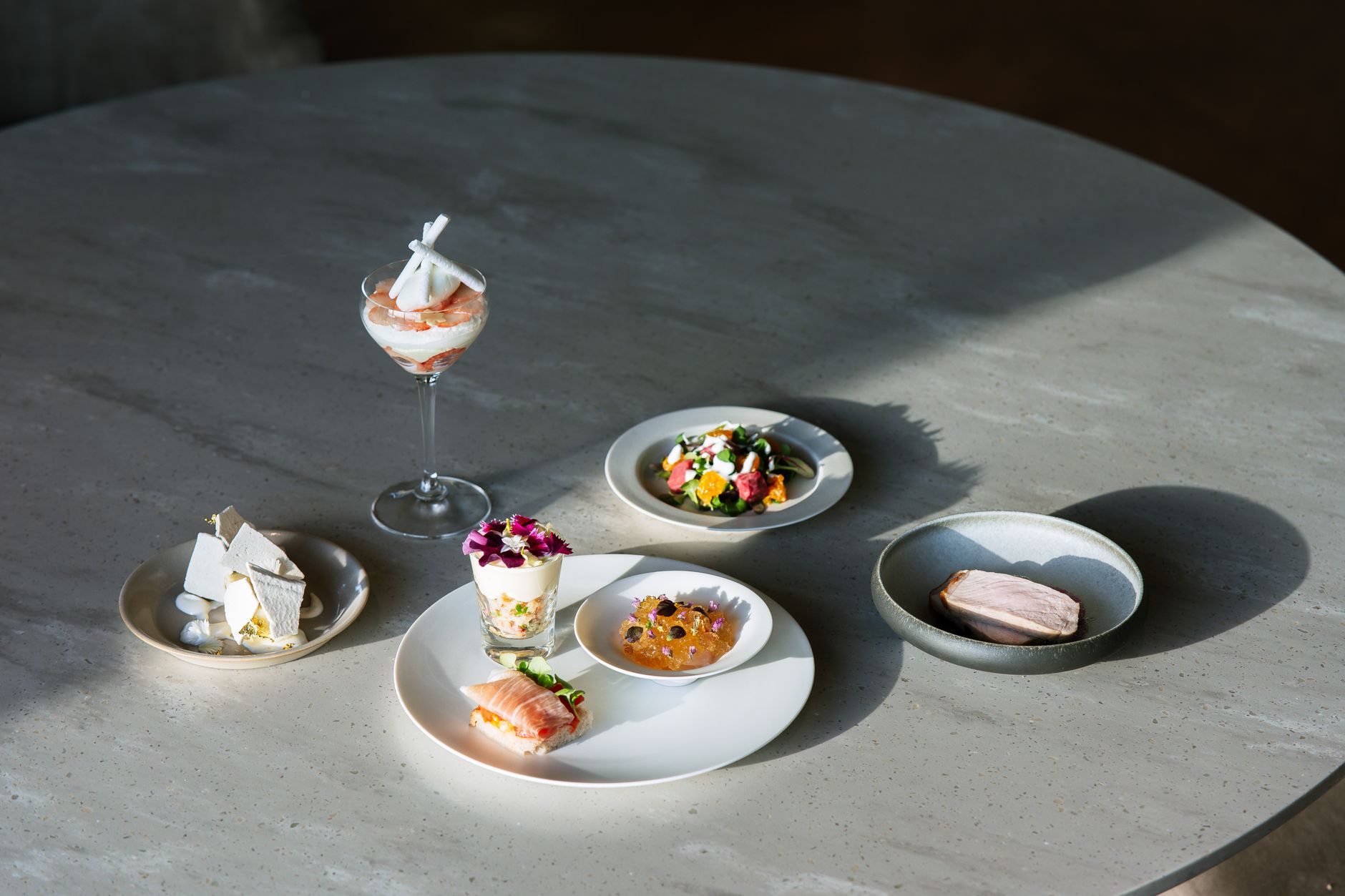
Key points
- Hyper-seasonal menus are becoming more dynamic, often changing weekly or daily based on the availability of peak local ingredients.
- New restaurant models, such as high-fidelity listening bars and multi-concept venues, are emerging to maximize revenue and offer unique guest experiences.
- Beverage programs are increasingly sophisticated, with a major focus on complex non-alcoholic options and low-intervention natural wines.
- Despite economic pressures, consumer demand for novel and high-quality dining experiences continues to fuel culinary innovation in major markets.
- Chefs are adopting waste-reduction techniques like root-to-leaf and whole-animal cooking as both an ethical and economic strategy.
The arrival of spring has always represented a time of renewal for the restaurant industry. Kitchens shake off the heavy, braised dishes of winter and embrace the vibrant, delicate produce of the new season. This year, however, the vernal shift feels more significant, more charged with a sense of cautious optimism and creative urgency than at any point in recent memory.
After several years of navigating intense economic crosscurrents, from labor shortages to persistent inflation in the supply chain, restaurant operators are approaching this spring not simply as a change in season, but as a critical opportunity to redefine value, connection, and the very nature of the dining experience. As The Times noted in its original piece on the season's trends, this is a pivotal moment for culinary news. Our intelligence confirms that while diners' appetites for new and exciting food remain robust, their expectations have evolved.
This spring's most anticipated openings and menu refreshes are not just about what is on the plate. They are about the story behind the ingredients, the flexibility of the dining format, and the depth of the hospitality. It is a more thoughtful, more intentional approach to dining, one that balances the deep financial realities of running a restaurant with the enduring human desire to gather around a table for something truly special.
To understand the culinary trends taking root this spring, one must first understand the soil from which they are growing. The economic landscape for restaurants remains a complex terrain of challenges and opportunities. While the National Restaurant Association projects a modest 4% growth in industry sales this year, this figure is tempered by the reality of inflation. With menu prices having increased by an average of 5.2% over the past year to cover rising costs, the real growth for many establishments is flat or even negative.
Food costs, a primary driver of this inflation, have shown volatility. While some staples have stabilized, the price of premium ingredients, particularly proteins and imported goods, remains stubbornly high. This has forced chefs to become more creative and resourceful than ever.
Waste reduction is no longer just an ethical goal; it is an economic imperative. This pressure has directly fueled the trend toward whole-animal butchery, root-to-leaf vegetable utilization, and in-house preservation programs like fermenting and pickling.
Labor costs also continue to be a significant factor. The industry-wide push for higher, more equitable wages, while broadly seen as a positive and necessary development, adds another layer of financial pressure. Operators are therefore intensely focused on efficiency, not by cutting corners, but by rethinking traditional restaurant models. The classic brigade system in the kitchen and the standard host-server-busser structure in the front of house are being re-examined in favor of more flexible, cross-trained teams.
If "farm-to-table" was the defining ethos of the last decade, this spring sees its evolution into something far more dynamic and immediate. The new standard is hyper-seasonality, a philosophy that moves beyond simply using spring ingredients to crafting menus that can change weekly, daily, or even between lunch and dinner service based on what is at its absolute peak.
This is not farm-to-table; it is "farmer-on-speed-dial". Chefs at the forefront of this movement are building direct, personal relationships with a small network of local growers, foragers, and fishers. The result is a menu that reads like a snapshot of a specific moment in time. One week, the star ingredient might be the first tender ramps of the season, quickly followed by delicate fiddlehead ferns, and then the prized morel mushrooms that appear for a fleeting window.
For example, at the newly conceptualized "Almanac" in the Hudson Valley, a plausible (though fictional) standard-bearer for this trend, the tasting menu does not have set dishes. Instead, it lists core ingredients for the week: "Black Locust Farm's asparagus, Windy Ridge morels, Catskill-foraged ramps, first-of-the-season rhubarb". Diners trust the kitchen to prepare these ingredients in their most compelling forms on the day of their visit. This approach fosters a sense of discovery for the guest and allows the chef to mitigate supply chain volatility and ensure zero waste.
This radical localism also extends to sourcing proteins. Instead of relying on large distributors for prime cuts, kitchens are buying whole animals from nearby farms. This provides a cost advantage but also a creative challenge. It requires a deep skill set in butchery and charcuterie and pushes chefs to create appealing dishes from less-common cuts, educating diners in the process about the value of the entire animal.
Economic pressures and changing consumer habits are giving rise to a new wave of innovative restaurant formats designed for flexibility and experience. The traditional, high-overhead fine dining establishment is being challenged by more nimble and targeted concepts.
One of the most notable formats gaining traction is the high-fidelity "listening bar". Inspired by the jazz kissas of Tokyo, these venues merge a high-end beverage program and a focused food menu with a state-of-the-art sound system and a curated vinyl collection. They are spaces designed for immersion.
The focus is not on loud conversation but on appreciating the interplay of sound, flavor, and atmosphere. In cities like Los Angeles and New York, spots like "Half Note" and "Sound-Bite" offer intimate, ticketed experiences where a DJ or "selector" plays a full album, paired with small plates and cocktails designed to complement the music's mood.
Another emerging model is the multi-concept space. An operator might take over a single storefront and run it as a bakery and coffee shop from morning until mid-afternoon, before flipping it into an intimate pasta and wine bar in the evening. This strategy maximizes the use of expensive real estate and captures different revenue streams throughout the day. It allows a small business to compete by serving the needs of its immediate neighborhood from dawn until dusk.
The supper club, once a relic of the past, is also being reimagined. The new supper club is less about a vast, prime-rib-and-martini menu and more about creating a sense of community and occasion. These are often prix-fixe, single-seating affairs in unique locations, fostering a communal atmosphere where diners feel more like guests at a private dinner party. This model provides the restaurant with predictable revenue and food costs for the night, a huge advantage in uncertain times.
Across the country, this season's openings reflect these overarching trends. In New York, the conversation centers on "Fjord", a Tribeca newcomer from a celebrated chef. The restaurant eschews the grand dining room for a stark, minimalist 30-seat space focused entirely on a seventeen-course tasting menu that blends Scandinavian preservation techniques with Japanese respect for pristine ingredients. A signature dish involves cured local fluke served with a broth made from its own bones and seasoned with fermented gooseberries, a testament to the kitchen's commitment to flavor intensity and waste reduction.
In Chicago's West Loop, a neighborhood known for its blockbuster restaurants, a smaller, more personal project named "Hearth & Home" is generating buzz. It is a modern supper club aiming to elevate Midwestern comfort food. The menu features items like a "relish tray" with house-pickled spring vegetables and smoked whitefish dip, and a cassoulet made with duck confit and locally sourced beans. The concept bets on the idea that in a world of complex tasting menus, there is a deep craving for familiar flavors executed with impeccable technique.
Sources and methodology
Reported from the public datasets below.
More from the Foodie Pundit Newsroom
- Dominique Crenn Expands Culinary Footprint With High-Stakes Paris Launch
- San Francisco Hospitality Scene Expands as New Culinary Concepts Launch Across Key Neighborhoods
- How Biotech Innovations Are Reshaping Restaurant Supply Chains and Food Economics
- Coffee Market Expansion Accelerates Driven By Specialty Formats And Digital Ordering
- Maryland Enacts Nation's First Ban On Data-Driven Food Surveillance Pricing