Summer Dessert Economics Drive Flavor Innovation and Supply Chain Adjustments in Commercial Bakeries
Commercial bakeries and food service operators are adjusting supply chains and product formulation to meet rising demand for nostalgic, botanical, and visually
By Foodie Pundit Newsroom - Published - Section: Desserts Snacks
Key points
- Nostalgic summer desserts are being upgraded with premium textures to boost margins and withstand hot-weather delivery.
- Botanical elements like lavender and hibiscus paired with exotic citrus varieties are dominating seasonal product development.
- Visual presentation on social media remains a primary driver for test kitchen formulations and menu additions.
- Operators are focusing on thermal stability and grab-and-go formats to manage humidity and high ambient summer temperatures.
The commercial baking and restaurant sector is undergoing a rapid transformation as temperature increases drive a distinct shift in consumer dessert preferences. Industry intelligence highlighted by Bake Magazine suggests that summer seasonal menus are no longer just about standard fruit pies and vanilla soft serve. Instead, operators are leveraging social media virality, complex flavor profiles, and innovative cooling techniques to capture consumer spend in a competitive macroeconomic environment.
Operators across the country are adjusting their supply chains to accommodate ingredients that support high-concept seasonal offerings. From botanical infusions to textural contrasts, summer menus are becoming crucial testing grounds for flavor innovation. Understanding these emerging categories offers valuable insight into broader food service trends and shifting consumer expectations.
Nostalgia remains a powerful psychological driver in menu design, but current market conditions demand an updated execution. Commercial bakeries are taking classic childhood treats, such as ice cream sandwiches and push pops, and re-engineering them with premium ingredients and unexpected textures. Crisp freeze-dried fruits, house-made shortbreads, and salted caramel swirls are replacing traditional mass-market components.
This focus on texture serves a dual purpose in the modern bakery landscape. First, it justifies a higher price point for menu items that might otherwise be perceived as simple everyday snacks. Second, high-contrast textures travel better during off-premises delivery, allowing operators to maintain product integrity even during warmer summer months when melting is a constant operational challenge.
While lemon and key lime remain reliable summer staples, the industry is witnessing a surge in secondary and tertiary citrus varieties alongside floral elements. Yuzu, calamansi, and Meyer lemon are increasingly paired with botanical notes like lavender, hibiscus, and elderflower. These flavor combinations offer a refreshing profile that appeals directly to heat-fatigued consumers looking for lighter options.
According to sector reporting from Bake Magazine, these sophisticated flavor pairings are particularly effective in driving impulse purchases among younger demographics. By balancing sweet and tart profiles, bakeries can create items that are perceived as less cloying in hot weather. This trend extends beyond traditional pastry cases into frozen desserts, beverage programs, and artisanal shaved ice concepts.
SOCIAL MEDIA AS A PRODUCT DEVELOPMENT DRIVER
The digital landscape continues to compress the life cycle of menu development. Trends that originate on short-form video platforms can reach global saturation within days, forcing commercial bakeries to remain agile. Visual presentation is now factored into the initial stages of product formulation, with vibrant colors, dramatic pulls, and unique cross-sections prioritized during test kitchen evaluations.
However, operational efficiency remains a critical balance against visual appeal. Successful operators are designing viral-friendly items that rely on cross-utilized core ingredients rather than bespoke components that increase inventory holding costs. By leveraging existing dough bases, lamination techniques, and standard topping lines, high-concept desserts can be produced consistently at volume without compromising kitchen throughput.
A notable evolution in summer dessert formulation is the integration of savory, smoky, and spicy elements into traditional sweet profiles. Hot honey, chili flakes, sea salt, and charred fruits are finding their way into tarts, gelato, and layered cakes. These additions provide a complex flavor contrast that cuts through heavy sugar profiles, creating a more memorable dining experience.
This trend aligns with broader global culinary influences that prioritize multidimensional taste profiles over simple sweetness. By incorporating subtle heat or umami notes, bakeries can market products as artisanal and adult-focused. This strategy helps boost average check values during evening dessert rushes, positioning bakeries to capture market share from traditional full-service restaurant dessert menus.
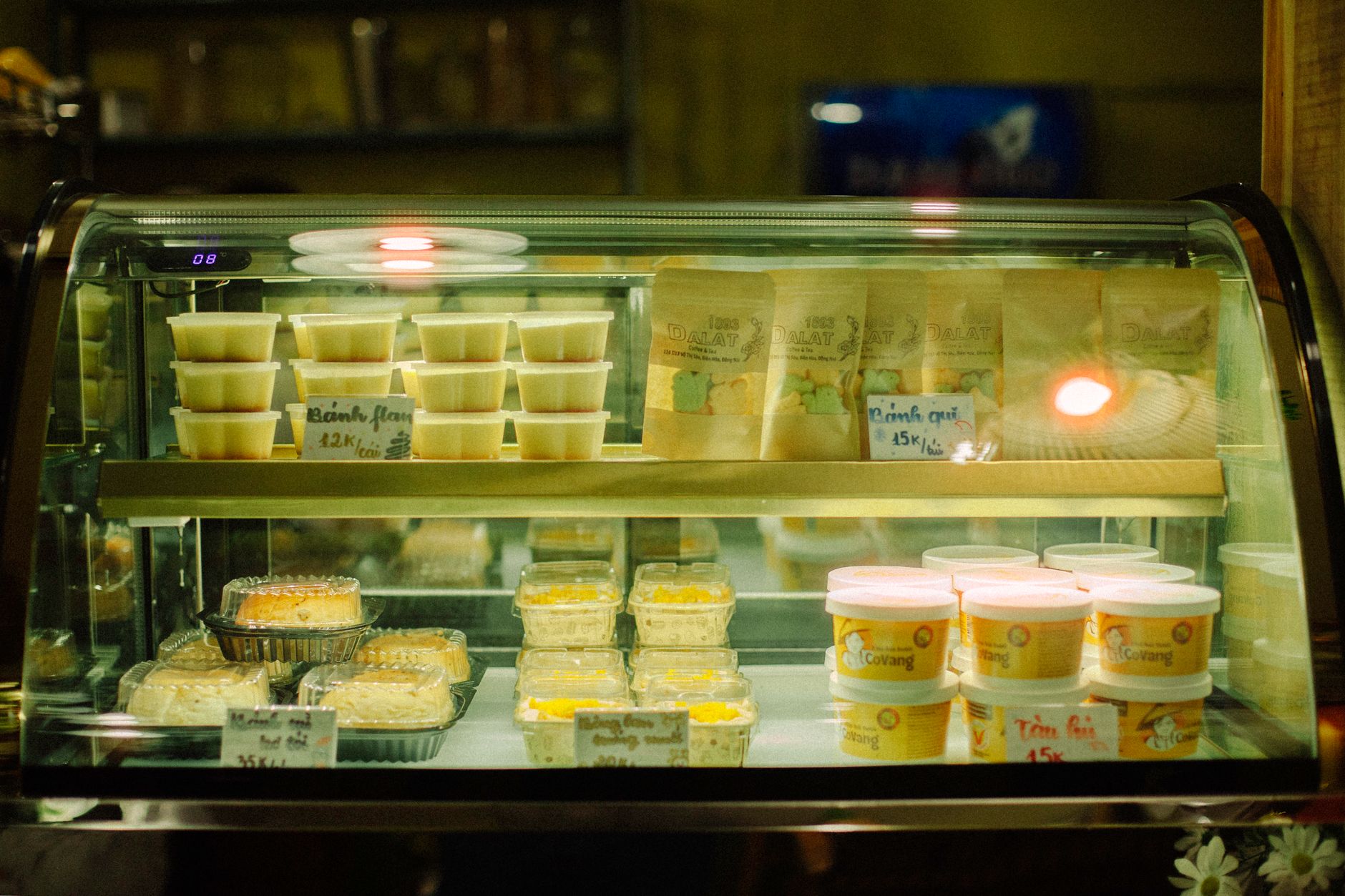
Managing dessert inventory during peak summer months introduces severe operational constraints regarding temperature control and ingredient stability. High humidity and elevated ambient temperatures can compromise butter lamination, degrade delicate icings, and shorten the shelf life of display cases. As a result, bakeries are investing in specialized refrigeration, gelatin-stabilized mousses, and alternative fats that hold up better under ambient heat.
Furthermore, pre-portioned and grab-and-go options are seeing increased allocation in retail displays. Portable desserts reduce customer wait times and allow for faster order fulfillment, which is essential during high-traffic summer weekends. By streamlining display layout and emphasizing items with superior thermal stability, operators can protect margins while maintaining visual appeal throughout operating hours.
For everyday consumers, these industry shifts mean access to far more diverse and high-quality dessert options during summer dining out. Expect to see an increase in unique flavor combinations at your local bakery, with menu items incorporating sophisticated citrus, floral, and subtle spice notes rather than simple sugar profiles. Prices may reflect the use of higher-end ingredients, but the focus on textural contrast and presentation promises a premium experience.
For restaurant operators and commercial bakers, adapting to these summer trendlines is essential for maximizing seasonal profitability. Prioritizing items that combine visual appeal with operational stability will help capture impulse spend while minimizing food waste. By monitoring shifting consumer tastes highlighted by trade benchmarks like Bake Magazine, food service businesses can refine their supply strategies and maintain a competitive edge through the warmest months of the year.
Sources and methodology
Reported from the public datasets below.
More from the Foodie Pundit Newsroom
- McDonald's Revamps Big Mac Preparation to Fight Off Fast Casual Competition
- General Mills Beats Estimates as Cereal and Snack Demand Resists Inflationary Pressures
- Summer Dessert Trends Focus on Complex Flavors and High Margin Innovations
- Retail Bakery Chains Cut Store Counts as Margin Pressures Mount
- The Science of Laminated Dough: How Master Pastry Chefs Perfect the Home Croissant