Summer Dessert Menu Trends Focus on Chilled Hybrids and High-Visual Pastries
Bakeries and food service operators are leaning into chilled formats, visual presentation, and nostalgic flavors to capture peak summer consumer spending.
By Foodie Pundit Newsroom - Published - Section: Desserts Snacks
Key points
- Chilled and frozen hybrid desserts are mitigating heat-related shelf life issues while commanding higher margins.
- Complex flavor pairings, combining classic summer fruits with botanicals, are driving visual and digital engagement.
- Portable, single-serve formats dominate consumer demand during peak outdoor activity and travel months.
- Nostalgic menu concepts allow operators to offer premium seasonal items using predictable core ingredients.
The sweet goods sector is entering its peak sales window with a sharp shift toward hyper-visual formatting, nostalgic flavor profiles, and temperature-focused innovation. Recent industry analysis from Bake Magazine highlights how commercial bakeries, independent pastry shops, and food service operators are adjusting their menus to capture shifting consumer spend during the warm weather months. The seasonal transition brings a renewed focus on cold-serve formats, botanical infusions, and single-serve novelty items designed to drive impulse purchases both in-store and online.
Operational dynamics in the bakery sector are increasingly dictated by social platforms, where visual presentation often dictates product development cycles. Independent bakeries and national retail chains alike are adjusting their summer lineups to leverage high-visibility social trends that prioritize texture contrast and vibrant colors. As foot traffic patterns change during vacation months, operators rely heavily on limited-time offerings to maintain store visits and protect profit margins against rising overhead costs.
Fruit profiles remain the dominant driver of summer bakery launches, but standard berry and citrus offerings are being elevated through complex pairings. Operators are combining traditional tart elements like passionfruit, yuzu, and key lime with savory herbs or gentle floral notes such as basil, lavender, and elderflower. This multi-layered approach to flavor development appeals to younger demographics seeking novel taste experiences without entirely abandoning familiar seasonal benchmarks.
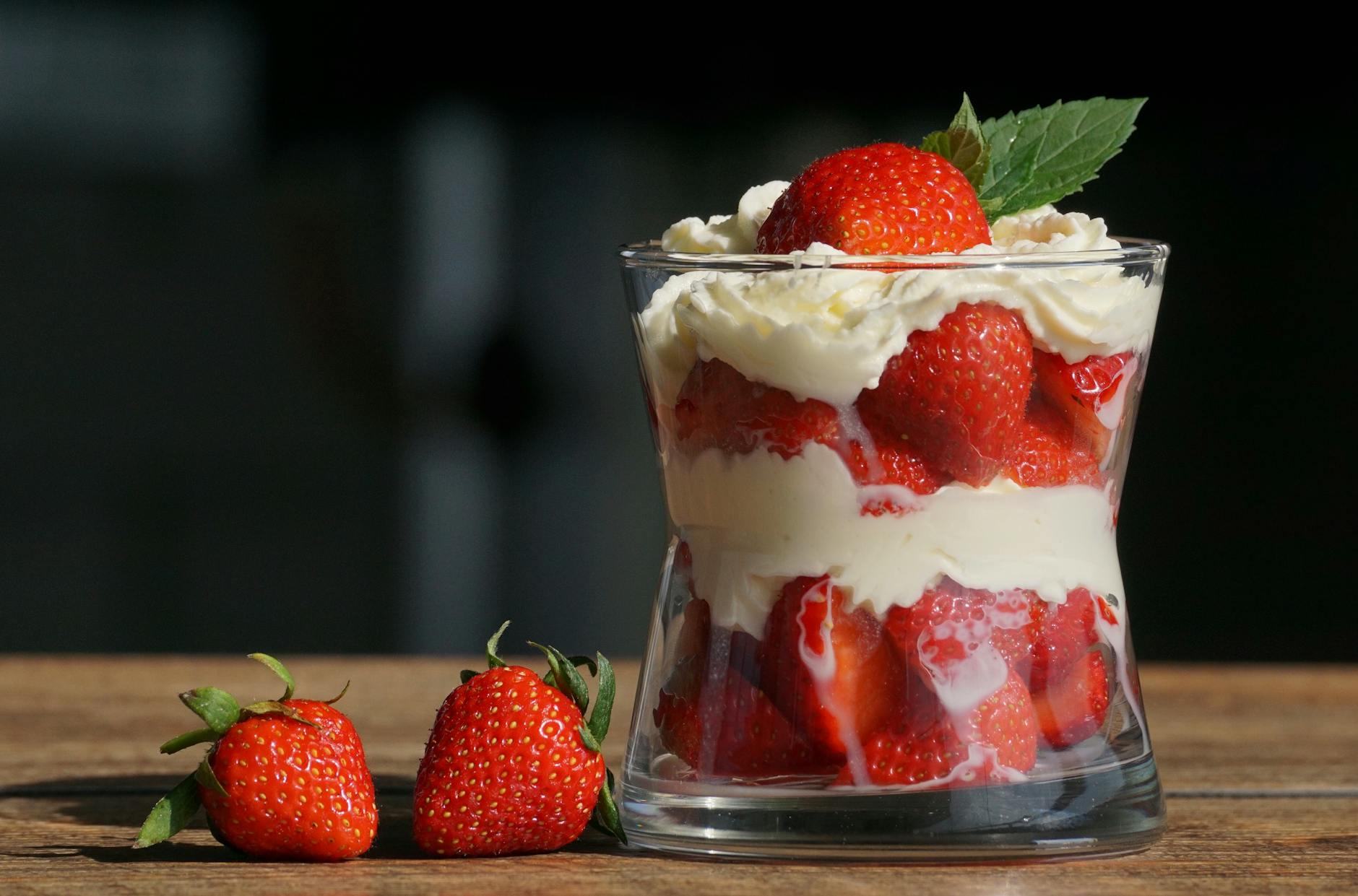
Swirled and layered applications are also expanding across both baked and unbaked dessert categories. By incorporating vibrant fruit curds, infused syrups, and colorful glazes, producers create visually striking cross-sections that perform exceptionally well in digital marketing campaigns. Bakeries report that these visually complex items command higher price points, helping to offset the increased costs of specialty ingredients and labor-intensive assembly processes.
Temperature control is a primary operational hurdle during summer, prompting a major shift toward frozen and chilled menu items. Cold-serve options, including chilled cookie pies, ice cream sandwich hybrids, and mousse-filled pastries, allow operators to prep inventory during off-peak hours while offering consumers immediate relief from high outdoor temperatures. The move toward chilled product lines also helps extend product shelf life on retail displays, reducing daily shrinkage.
According to reporting by Bake Magazine, the intersection of traditional baking and frozen dairy continues to yield strong margins for operators. Hybrid desserts that pair warm or room-temperature bakery bases with soft-serve, gelato, or shaved ice are becoming standard summer menu anchors. Food service businesses that lack the footprint for full soft-serve machinery are partnering with local creameries to create co-branded frozen treats, leveraging shared labor and cross-promotional marketing to maximize regional reach.
Nostalgic themes are providing a reliable foundation for summer menu planning across all retail tiers. Reimagined childhood favorites, such as elevated ice pops, nostalgic camp-inspired s'mores variations, and classic soda fountain desserts, are capturing significant consumer interest. These items evoke emotional connections while giving culinary teams room to experiment with premium chocolate, artisanal marshmallows, and house-made graham crackers.
The resurgence of retro formats also aligns with cost-management strategies for independent bakeries. Standard retro formulations often rely on familiar, widely available core ingredients like cocoa, vanilla, and standard starches, keeping raw material costs relatively stable. By updating the presentation and marketing these products around nostalgic summer themes, operators can charge a premium while keeping their overall bill of materials predictable.
Single-serve and highly portable formats dominate summer dessert purchasing habits as consumers spend more time outdoors and on the move. Handheld items like dessert tacos, stuffed croissants, portable cake cups, and cake pops minimize the need for utensils and formal seating, fitting seamlessly into casual outdoor events and walk-up window retail models. Operators benefit from these formats through streamlined packaging needs and faster transaction times at the register.
While portion sizes for these portable items are often smaller than traditional plated desserts, their perceived value remains high due to intricate decorations and rich ingredient density. Smaller individual portions also lower the barrier to purchase for health-conscious consumers who still want an occasional seasonal treat. This trend allows bakeries to drive higher transaction volumes per customer, as buyers frequently purchase multi-packs of bite-sized items for group gatherings and picnic events.
For retail consumers, the summer dessert wave means a wider array of innovative, high-quality sweet treats available at local bakeries, walk-up counter services, and grocery displays. Expect to pay a slight premium for seasonal items that feature complex flavor pairings or specialty chilled formats, as businesses pass along elevated input and labor costs. However, the prevalence of single-serve and portable options makes it easier to sample high-end pastry trends without committing to full-sized cakes or expensive dining experiences.
For restaurant operators and commercial bakery owners, success this season hinges on balancing visually engaging menu items with cold-chain efficiency and portion control. Streamlining summer production around versatile, temperature-stable ingredients allows businesses to capture impulse summer spending while mitigating the risk of waste caused by extreme heat. Aligning product releases with regional weather shifts and social trends will ensure maximum foot traffic throughout the peak holiday and travel months.
More from the Foodie Pundit Newsroom
- General Mills Beats Earnings Expectations as Cereal and Snack Sales Surpass Estimates
- General Mills Reports Strong Financial Results Driven by Cereal and Snack Surge
- Regional Bakery Chains Trim Store Footprints as High Operating Overhead Compresses Margins
- Chicago Culinary Landmark Gene and Georgetti Files for Chapter 11 Reorganization
- Chicago Oldest Steakhouse Files for Chapter 11 Reorganization