Summer Menu Shifts Push Restaurants Toward Bold Flavors and Functional Drinks
Rising consumer demand for vibrant global flavors and sophisticated low-alcohol beverages is forcing restaurant operators to overhaul their seasonal offerings.
By Foodie Pundit Newsroom - Published - Section: Beverages
Key points
- Global flavor profiles are shifting toward highly specific regional street foods and smoky heat.
- Non-alcoholic and functional beverages are driving higher profit margins for summer drink menus.
- Kitchens are utilizing cross-ingredient strategy to combat supply chain bottlenecks and control waste.
- Visual menu appeal remains a primary driver for customer acquisition via digital discovery.
The warm weather months always bring a distinct shift in consumer dining preferences, but the midyear dining landscape is demonstrating a more dramatic pivot than usual. According to fresh industry reporting by the Birmingham Mail, operators across the hospitality sector are rapidly adjusting their inventories to accommodate a new wave of culinary preferences that blend nostalgia with global flavor profiles. Restaurants that fail to align their menus with these seasonal shifts risk losing valuable market share during one of the most lucrative dining windows of the year.
The underlying economic drivers behind these shifting dining habits reveal a consumer base that is increasingly conscious of value, yet eager for novel sensory experiences. Rising food costs over the past two years have made diners more selective about their out-of-home meal expenditures. Consequently, when consumers decide to spend money at restaurants, they are seeking items that offer high emotional yield, bold visual appeal, and ingredients that feel distinctly seasonal or difficult to replicate at home.
One of the prominent trends highlighted in recent coverage centers on the ascension of hyper-regional global flavors integrated into familiar formats. While international cuisine has always enjoyed popularity during warmer months, current demand is pivoting toward specific regional profiles rather than broad national traditions. For instance, swaledale lamb paired with coastal botanicals, elevated street food preparations from Southeast Asia, and smoky West African pepper pastes are replacing standard barbecue items on forward-thinking menus.
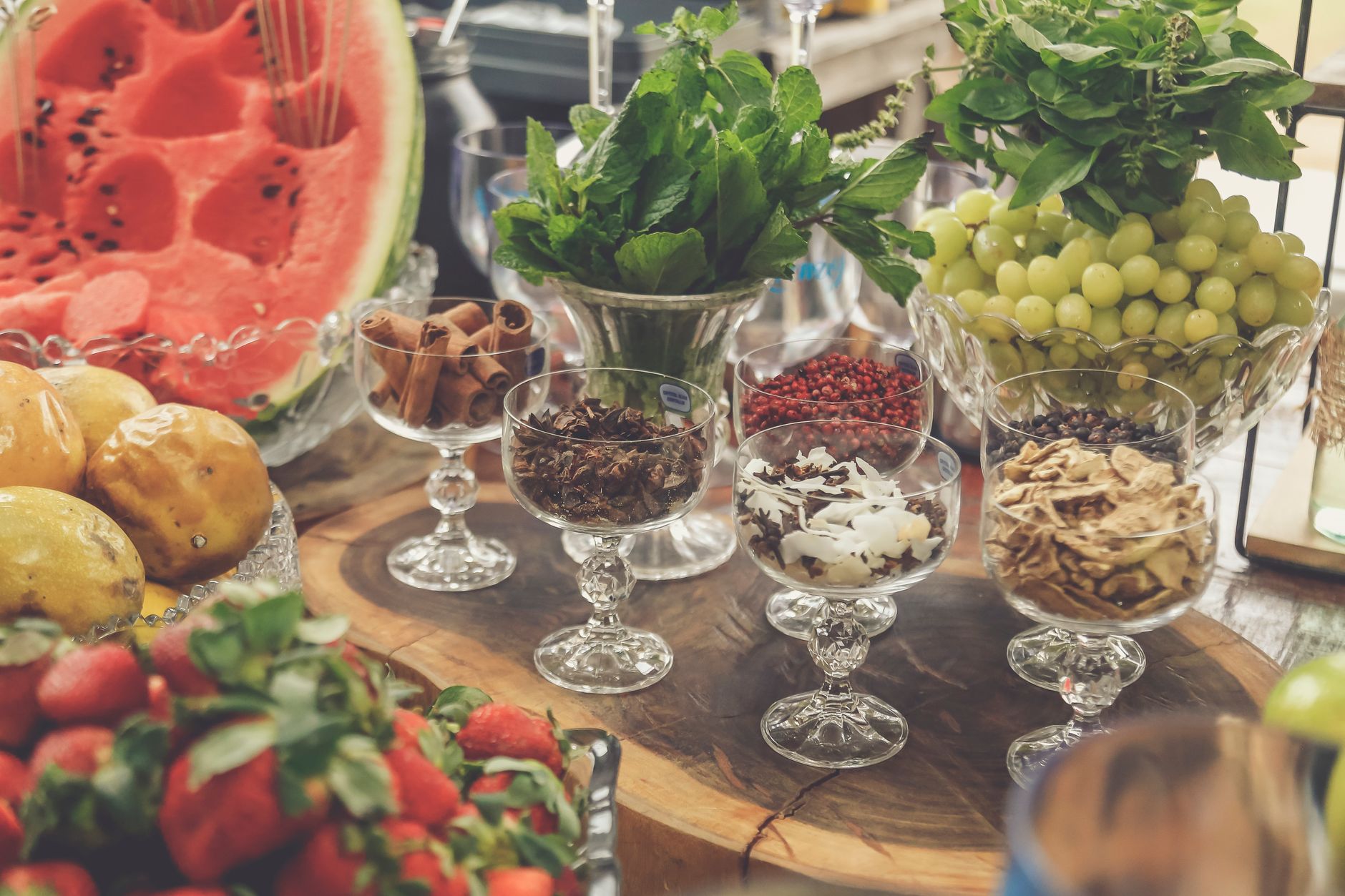
Equally significant is the evolution of the beverage sector, where non-alcoholic and low-alcohol offerings are capturing a larger percentage of total drink sales. Functional beverages infused with adaptogens, botanical extracts, and tart fruit bases are no longer niche health food store items. They have become primary profit drivers on summer drink menus, appealing to younger demographics who prioritize wellness alongside social dining experiences.
For restaurant operators, capitalizing on these seasonal menus requires meticulous planning within the supply chain. Sourcing specialized regional ingredients, unique produce varieties, and premium non-alcoholic spirits can present severe logistics bottlenecks if orders are not placed well in advance. Smaller independent venues often face squeezed margins when attempting to secure these high-demand items against larger corporate chains with superior purchasing power.
To manage these supply constraints, many kitchen teams are adopting cross-utilization strategies that allow a single seasonal ingredient to feature across multiple menu components. A spicy fruit relish might serve as a topping for a grilled fish entree, a accent for a cured meat board, and the flavor base for a house craft cocktail. This approach minimizes food waste while maintaining a cohesive culinary theme that resonates with diners seeking cohesive flavor narratives.
The physical presentation of summer menu items continues to play a central role in driving foot traffic through restaurant doors. Vibrant colors, interactive tableside finishes, and unexpected structural plating techniques are designed to perform well on visual social networks. Reporting from the Birmingham Mail underscores that consumer discovery of new dining concepts happens overwhelmingly through digital channels, making visual appeal a functional marketing tool rather than a mere aesthetic choice.
However, industry analysts warn that visual novelty cannot substitute for baseline quality and proper execution. Diners who are drawn into an establishment by an attractive social media post will quickly abandon the brand if the taste, texture, and overall service quality fall short of expectations. Successful operators are balancing photogenic presentation with tight, consistent kitchen execution to convert first-time seasonal visitors into recurring regulars.
Managing menu pricing during a period of shifting consumer demand requires a delicate balancing act. Operators must absorb fluctuating wholesale ingredient costs while offering prices that remain accessible to budget-conscious households. Many venues are finding success by introducing flexible portion sizes, shareable small plates, and value-oriented tasting menus that allow guests to control their total spend without compromising on the variety of their dining experience.
Bundled summer promotions, such as prix-fixe lunch options or targeted happy hour food pairings, are also proving effective at driving traffic during traditionally slow mid-week meal periods. By offering targeted discounts on high-margin items alongside trendy seasonal highlights, operators can protect their overall profitability while delivering the sense of value that current market conditions demand.
For the everyday consumer, these industry adjustments mean an unprecedented level of variety and creativity on local dining menus over the coming months. Expect to see more diverse flavor options, sophisticated non-alcoholic drink pairings, and dynamic menu formats that emphasize shareability and freshness.
To get the best value from your summer dining outings, consider exploring mid-week lunch specials or early evening dining windows when venues often feature promotional pricing on their newest seasonal items. Trying shareable plates with friends can also provide a cost-effective way to sample novel global flavor profiles without committing to a full-priced entree. Staying informed about local menu updates allows you to experience the cutting edge of food culture while keeping your personal recreation budget firmly under control.
Sources and methodology
Reported from the public datasets below.
More from the Foodie Pundit Newsroom
- Summer Culinary Shifts Drive Menu Redesigns Across Restaurant Sector
- Taco Bell Launches Premium Cantina Chicken Lineup to Challenge Fast Casual Brands
- FDA Rewrites Rules for Healthy Food Claims in Major Market Overhaul
- FDA Redefines Healthy Food Label Rules for Grocery Brands and Operators
- The FDA Is Finally Fixing the Grocery Labeling Rules That Made Avocados Look Unhealthy