Summer Resurgence of Girl Dinner Highlights Shifting Consumer Economics and No-Cook Preferences
The viral social media dining trend is returning for the summer, driving notable changes in grocery buying habits and restaurant menu strategies.
By Foodie Pundit Newsroom - Published - Updated - Section: Grocery Cpg
Key points
- The return of the low-effort dining trend reflects seasonal consumer demand for heat-free meal preparation and light summer eating.
- Grocery retailers are capitalizing on modular dining by offering smaller, single-serve portions of specialty cheeses, dips, and cured meats.
- Casual dining restaurants are adjusting menu strategies by expanding small-plate and happy hour offerings to retain light-eating patrons.
- Economic factors such as food inflation and the growth of single-person households continue to drive the popularity of assembly-only meals.
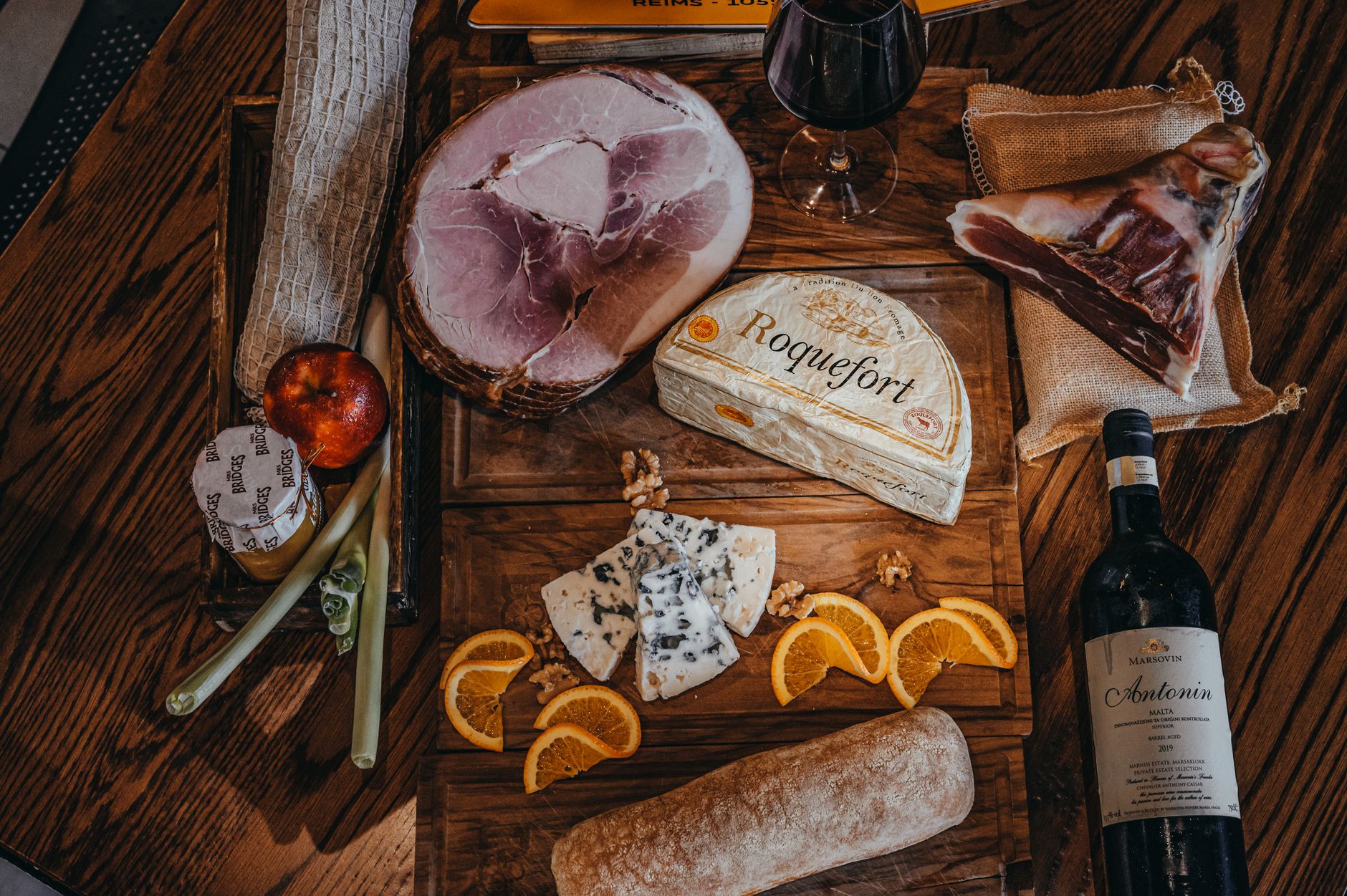
The viral social media phenomenon known as girl dinner is making a distinct resurgence as warm weather arrives, signaling a shift in how consumers approach summer dining. Originally popularized on TikTok, the trend revolves around assembling low-effort, snack-based meals consisting of disparate items like olives, cheeses, cured meats, fruits, and bread. The renewed interest in these unstudied plates highlights ongoing changes in household food spending, supply chain shifts, and consumer preferences during high-heat months.
Reporting from Today. com notes that the return of this dining style coincides with a seasonal desire for breezy, minimal-cooking alternatives. Beyond simple convenience, the economic dynamics of the restaurant industry and grocery retail are heavily tied to this behavioral pivot.
As summer temperatures rise, heat-inducing appliances like ovens and cooktops become less attractive to home cooks. Simultaneously, high food inflation over recent years has led many individuals to seek creative ways to stretch pantry inventory without committing to full recipe purchases.
The architecture of a typical girl dinner mirrors traditional Mediterranean grazing boards, tapas, or mezze spreads. By relying on cold cuts, ambient-temperature dips, raw vegetables, and shelf-stable snacks, consumers bypass traditional meal preparation entirely. This style of eating strips away the standard main and side protein structure that has historically defined American dinner plates.
From an supply chain standpoint, the popularity of assembly-only dining drives distinct inventory patterns at the retail level. Specialty food retailers and major supermarket chains have observed increased demand for pre-sliced cured meats, artisanal cheeses, canned seafood, and premium crackers. By marketing these items as modular meal components rather than party appetizers, grocers are effectively capturing dinner dollars that might otherwise go to fast-casual restaurants.
RESTAURANT INDUSTRY IMPACT AND MENU ADAPTATION
The restaurant industry is paying close attention to these consumer shifts. When patrons choose to assemble casual spreads at home rather than dine out, casual dining establishments feel the pressure. To counter this trend, operators are adapting their menus to feature lighter, customizable small plates that mimic the variety and low-friction nature of home grazing.
Many operators have expanded their happy hour offerings and small-plate sections to cater to customers seeking late-afternoon or light evening bites. Restaurant consultants report that younger demographics in particular prefer ordering multiple appetizers to share over committing to a single heavy entree. This shift in ordering patterns impacts average check sizes, forcing operators to optimize margin contributions from wine, cocktails, and high-margin small plates like burrata, charcuterie, and marinated olives.
GROCERY RETAILERS CAPITALIZE ON MODULAR MEALS
Grocery chains have moved quickly to monetize the return of low-effort summer dining. Today.com highlighted how the trend caters to low-stress eating, prompting retailers to optimize their deli counter layouts. Supermarket packaging has evolved to offer smaller, single-serve portions of premium cheeses and antipasti, allowing consumers to build diverse spreads without incurring excessive food waste.
This micro-portion strategy carries a dual benefit for grocers. It allows consumers to manage their overall grocery bill by buying smaller quantities of premium items while allowing retailers to capture higher per-ounce margins on specialty products. The expansion of private-label charcuterie and dip offerings has further lowered the financial barrier to entry for shoppers looking to replicate upscale wine bar spreads at home.
While social media emphasizes the aesthetic and fun aspects of these meals, economic pressures remain a powerful underlying driver. Persistent inflation across service sector industries has made dining out a calculated luxury for many households. As consumer budgets tighten, low-cook meals represent a middle ground between an expensive night at a restaurant and a labor-intensive cooked dinner.
Additionally, demographic shifts play a major role in the longevity of the trend. Single-person households represent a growing percentage of the domestic population. Cooking full, multi-component meals for one person often results in financial inefficiency and food spoilage. Grazing plates resolve this friction by offering variety, immediate gratification, and precise portion control, making them economically rational for solo diners.
THE Broader SHIFT TOWARDS INFORMAL DINING
The persistence of the girl dinner phenomenon reflects a broader cultural relaxation around mealtime norms. Strict definitions of what constitutes an acceptable evening meal are fading, replaced by flexible, personal preferences. This cultural shift directly affects consumer packaged goods companies, which are adjusting their product development pipelines to focus on high-protein, ambient snack items that fit seamlessly into no-cook spreads.
Food processors are increasingly packaging items like tinned fish, specialty nuts, and artisanal spreads in visually appealing formats designed for immediate table presentation. As the boundary between cooking and snacking continues to blur, brand marketers are reframing basic pantry staples as essential elements of a relaxed lifestyle.
For the everyday consumer, the return of summer grazing plates offers a practical framework for managing both food costs and household energy usage during hot months. Relying on no-cook, pantry-driven meals allows individuals to cut down on electricity consumption from major kitchen appliances while minimizing wasted ingredients through flexible portioning.
To maximize savings, shoppers should look toward building modular meals from standard grocery store staples rather than relying exclusively on pre-packaged, single-serve deli items. Buying whole blocks of cheese, larger tins of fish, and bulk produce yields substantially lower per-serving costs while retaining the low-effort, highly customizable appeal of summer grazing spreads. As restaurants continue to launch small-plate promotions to capture this demand, consumers can also take advantage of early evening dining deals that match this light, varied eating style.
Sources and methodology
Reported from the public datasets below.
- Bureau of Labor Statistics (BLS) - Consumer Price Index, food away from home
- Federal Reserve Economic Data (FRED) - Food services and drinking places series
- Bureau of Labor Statistics (BLS) - Consumer Price Index, food away from home
- Federal Reserve Economic Data (FRED) - Food services and drinking places series
- Today.com - Girl Dinner Is BACK and It's Serving Summer Vibes - Aug 2026
More from the Foodie Pundit Newsroom
- Customer Foot Traffic Soars As Restaurant Industry Enters Rapid Growth Phase
- Lincoln Just Got Way More Toasted
- C-Suite Shakeup: Ag Trader Sadot Group Sued By Former Exec Over Alleged $150K Unpaid Severance
- McRib Return Highlights Fast-Food Scarcity Marketing and Commodity Supply Chains
- Restaurant Foot Traffic Rebounds Strong as Consumer Appetite Drives Hospitality Growth