Sustainable Viticulture Rewires the Global Wine Supply Chain
Vineyards and distributors are adopting regenerative farming, lightweight glass, and alternative packaging to lower carbon footprints and build climate resilien
By Foodie Pundit Newsroom - Published - Section: Wine Spirits
Key points
- Regenerative farming techniques like cover cropping and native plant borders are replacing synthetic fertilizers to improve soil health and carbon sequestration.
- Lightweight glass bottles and bulk shipping methods are reducing transit emissions and lowering overall packaging energy costs.
- Third party certifications such as SIP Certified and Demeter Biodynamic provide retail buyers with verifiable standards for environmental compliance.
- Hospitality venues can leverage eco friendly wine lists and draft wine programs to appeal to conscious consumers and streamline service.
The global wine industry is undergoing a structural shift as vineyards and bottling facilities adapt to heightened consumer scrutiny around climate impact and resource usage. Agricultural managers across major wine regions are replacing conventional monoculture practices with regenerative farming, water conservation technologies, and lighter packaging solutions. Industry analysts note that sustainable viticulture has moved from a niche marketing strategy to an operational necessity for wineries aiming to safeguard long term yield stability.
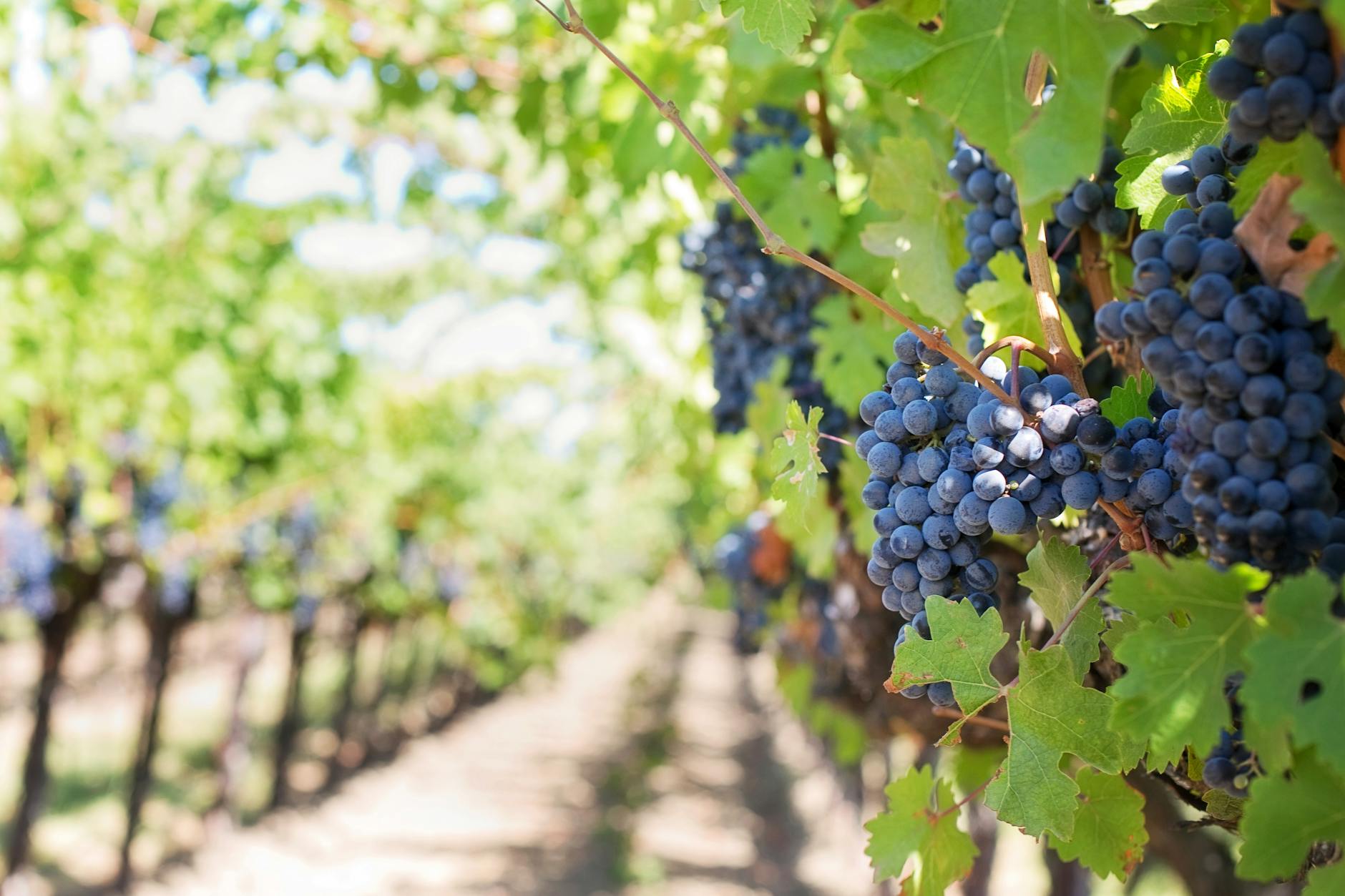
According to reporting by Food Industry Executive, the push toward sustainability spans every phase of the wine supply chain, from soil health management to downstream distribution metrics. Vineyards are increasingly adopting cover cropping, rotational grazing with livestock, and reduced tillage to enhance topsoil vitality and sequester carbon dioxide directly within the vineyard floor. These practices help mitigate the escalating risks of drought, extreme heat waves, and unpredictable seasonal shifts that threaten established growing zones.
At the field level, ecological vineyard management prioritizes biodiversity over chemical interventions. Growers are installing native plant borders and hedgerows to harbor beneficial insects, which naturalize pest control and diminish the need for synthetic pesticides. By reducing reliance on nitrogen based fertilizers, estates are simultaneously decreasing farm run off into local watersheds and lowering their overall operational footprint.
Water scarcity represents another catalyst for structural reform in key global wine districts. Advanced drip irrigation networks, powered by soil moisture sensors and weather data telemetry, allow vineyard managers to deliver precise hydration to vine roots while curbing overall water draw. In regions facing severe water restrictions, some producers are experimenting with dry farming techniques, relying exclusively on ambient rainfall to force vine roots deeper into subterranean aquifers.
While field operations account for significant environmental inputs, transport packaging remains one of the largest contributors to a bottle of wine total carbon footprint. Heavy glass bottles, historically favored as indicators of premium quality, require substantial energy to manufacture and generate high freight emissions during shipping. To counter these costs, forward thinking vintners are transitioning toward lightweight glass formulations that reduce vessel weight by twenty to thirty percent without compromising structural integrity.
Alternative packaging formats are also gaining traction among mainstream distributors and retail consumers alike. Bag in box systems, aluminum cans, and lightweight returnable kegs for on premise draft programs significantly trim transit emissions and extend product freshness for casual consumption. Bulk shipping models, where wine is transported in large food grade bladders and bottled closer to the final retail market, are further reducing the maritime and overland freight footprint of imported labels.
Navigating the landscape of eco friendly wine labels presents both opportunities and hurdles for beverage directors and retail buyers. Third party certifications, such as Demeter Biodynamic, SIP Certified, and regional sustainable winegrowing credentials, offer verified benchmarks for environmental compliance. These independent standards require rigorous third party audits covering soil conservation, energy usage, waste management, and equitable labor practices across the estate.
However, the proliferation of distinct regional green seals can create consumer confusion at the point of sale. Industry observers note that clear back label disclosures regarding farming inputs, renewable energy usage, and packaging materials help demystify sustainable choices for shoppers. As commercial buyers demand higher transparency across their beverage portfolios, wineries that secure credible credentials gain a distinct competitive edge in retail placement and restaurant distribution.
ECONOMIC RESILIENCE AND LONG TERM VIABILITY
Adopting sustainable practices requires initial capital outlay for equipment upgrades, certification fees, and specialized labor training. Despite these upfront costs, estates implementing ecological methods often record long term operational savings through reduced chemical inputs, lower utility expenses, and improved vine longevity. Regenerative soil management enhances moisture retention, allowing vineyards to maintain consistent crop yields even during unseasonal climate anomalies.
Furthermore, economic data indicates that consumer demand for responsibly produced wine continues to outperform legacy market segments. Younger demographic groups, in particular, demonstrate a strong preference for brands that align with environmental stewardship principles. By building supply chains that can withstand ecological volatility, wineries are securing their market position while insulating their operations against regulatory compliance pressures and resource costs.
For restaurant operators, beverage managers, and hospitality professionals, the expansion of sustainable wine production presents a clear opportunity to modernize inventory while appealing to eco conscious diners. Incorporating certified organic, biodynamic, or sustainably farmed bottles into your wine list can enhance brand reputation, drive customer engagement, and justify premium price points. Operators can also explore alternative draft wine systems to lower per glass beverage costs, eliminate bottle waste, and streamline service speed behind the bar.
When sourcing new vintages, request detailed production and packaging specifications from your distribution partners to verify eco claims. Training front of house staff to speak knowledgeably about a producer agricultural practices creates compelling narrative touchpoints at the table. By curating a beverage program grounded in environmental stewardship, your venue supports global supply chain resilience while catering to evolving consumer values.
Sources and methodology
Reported from the public datasets below.
More from the Foodie Pundit Newsroom
- Sustainable Wine Movement Reshapes Beverage Economics From Vineyard Soil to Restaurant Glass
- Historic Hundred-Year-Old Recipe Captures Social Media Attention as Diners Embrace Affordable Vintage Comfort Foods
- Vintage Domestic Recipes Take Over Social Feeds as Home Cooks Seek Budget Comfort
- Legacy Fast Food Operators Face Shutdowns as Market Economics Shift
- San Francisco Pho Powerhouse Announces Major Expansion to the Peninsula