Taco Bell Brings Back Nacho Fries in Strategic Limited-Time Drop
The quick-service giant brings back its viral side dish for a limited engagement, using time-tested rotation tactics to fuel traffic and app engagement.
By Foodie Pundit Newsroom - Published - Updated - Section: Chain Watch
Key points
- Taco Bell has re-released its popular Nacho Fries for a restricted promotional window across nationwide stores.
- Limited-time menu offerings allow fast-food brands to drive foot traffic without burdening long-term operational supply chains.
- Digital app exclusivity and loyalty programs are central to modern quick-service menu launches.
- Rising input costs have shifted the pricing dynamics of specialty items away from traditional lower value tiers.
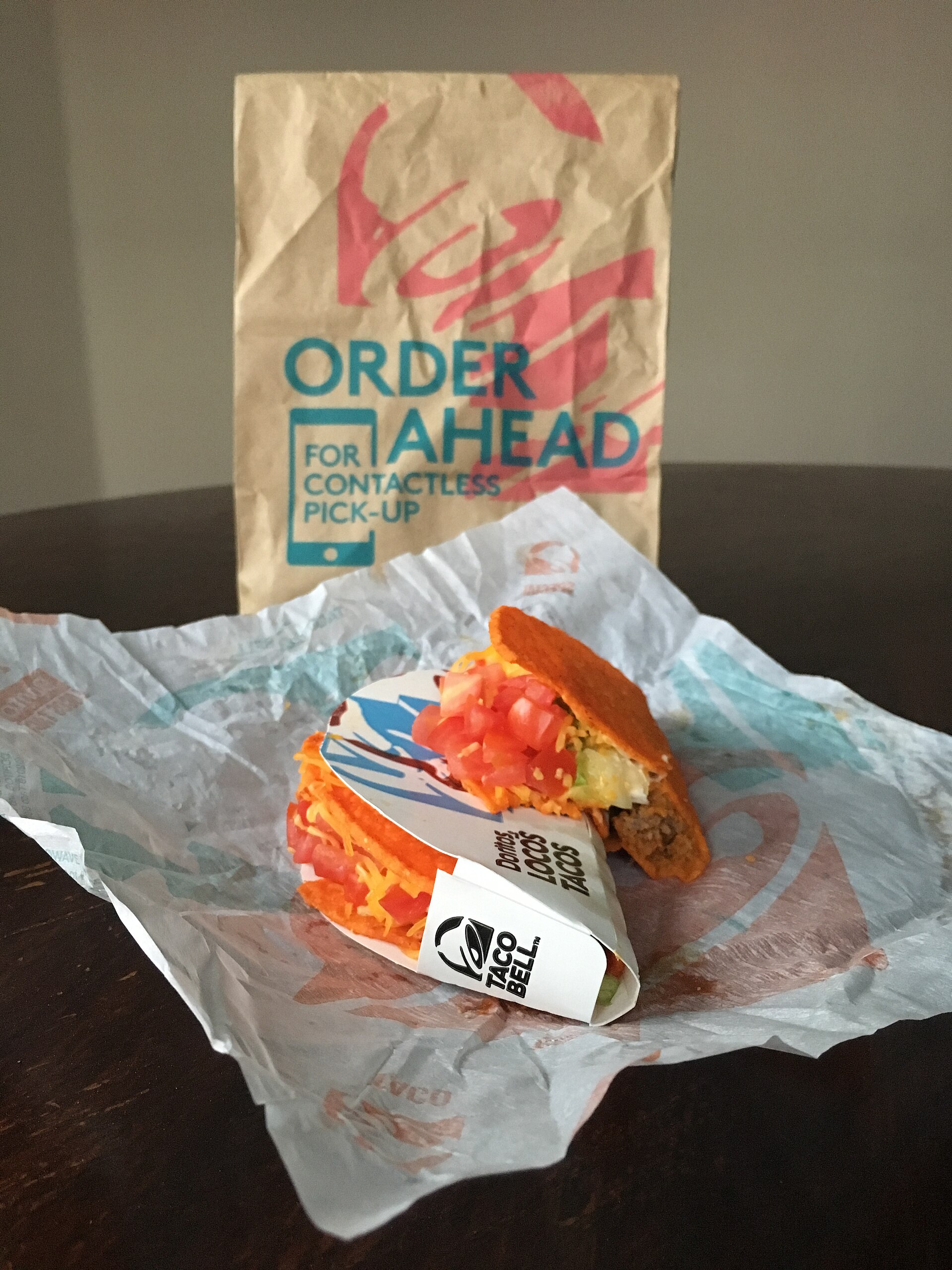
Taco Bell has once again brought back its highly successful Nacho Fries, launching another promotional window for one of the most profitable menu innovations in modern fast food history. According to reporting from Mashed, the popular side item is returning for a strictly limited engagement across participating locations nationwide. The decision highlights how major quick-service chains rely on artificial scarcity and seasonal rotation to drive foot traffic without permanently altering their supply chains.
First introduced in early 2018, Nacho Fries rapidly became the most successful product launch in the company history, selling over 53 million orders in their initial nine-week run. By coating standard French fries in bold Southwestern seasonings and serving them alongside a tub of warm nacho cheese sauce, the chain bridged the gap between classic Tex-Mex flavors and traditional American fast food side items. The move allowed the brand to compete directly with burger giants that historically dominated the side dish market through fry sales.
The current return follows a familiar playbook that fast food operators have perfected over decades. By offering an item for a restricted window, brands generate a sense of urgency that encourages consumers to visit more frequently during the promotional period. This temporary availability keeps the product feeling novel, preventing the brand fatigue that often occurs when specialty items become permanent menu fixtures.
From an operational perspective, the limited-time model offers significant advantages for high-volume quick-service restaurants. Maintaining a permanent supply of specialized ingredients requires long-term distributor contracts, dedicated storage space, and continuous staff training. A limited run allows corporate supply teams to buy potatoes and custom spice blends in bulk at negotiated rates, clear the inventory over a set period, and return to standard operating procedures without long-term overhead burden.
Fry production requires specific equipment and oil management techniques that differ from traditional taco assembly. When Nacho Fries are on the menu, store operations must adapt to handle hot oil fryers at peak capacity alongside steam tables and assembly lines. Running the item as a temporary feature minimizes long-term wear on kitchen infrastructure while giving franchisees a predictable sales surge to offset seasonal traffic lulls.
The pricing strategy surrounding the item has also evolved since its initial dollar-menu debut. While early promotions leveraged the item as an aggressive loss leader to pull customers into stores, inflation and rising labor costs have gradually pushed the price point higher. Today, the fries serve as a core anchor for value combos and digital-exclusive deals, helping to raise the average check size across digital ordering channels and third-party delivery apps.
The quick-service restaurant industry relies heavily on flavor innovation to capture market share in a crowded ecosystem. Competitors across the casual dining and fast-food sectors frequently monitor consumer reaction to these limited drops, leading to an industry-wide cycle of seasonal releases. Mashed notes that consumer enthusiasm for the item remains exceptionally high, proving that well-executed product rotations can sustain interest over many years.
Digital platforms play a crucial role in amplifying the impact of these limited returns. By offering early access to loyalty program members through mobile applications, chains convert casual diners into registered app users. This digital strategy gives corporate marketers direct access to consumer purchasing data, allowing them to deploy targeted discounts and push notifications that maximize conversion rates during the promotional window.
The social media footprint of iconic menu drops cannot be overstated in modern restaurant marketing. Limited releases generate organic digital engagement, as fans share photos and reviews across platforms without requiring massive traditional advertising spend. This consumer-generated momentum helps lower customer acquisition costs while maintaining high brand visibility among younger demographics who increasingly order meals through mobile interfaces.
The ongoing success of this promotional model indicates that quick-service menus will likely become even more dynamic in the coming years. Rather than expanding permanent menus, which increases kitchen complexity and slows down drive-thru service times, brands are opting for flexible, modular offerings. Items can be introduced, scaled up, and retired within weeks, keeping operational costs lean while preserving marketing flexibility.
For franchisees, limited-time items offer a balance between sales growth and operational execution. While managing temporary ingredient flows can create short-term logistics challenges, the resulting spike in guest counts usually drives higher overall store profitability. As long as customer demand for unique side items remains strong, the industry will continue to lean heavily on periodic product revivals to meet quarterly revenue targets.
For the average consumer, the return of specialized menu items serves as a reminder to monitor digital loyalty channels for the best value. Fast food chains increasingly reserve special pricing, early access, and bundled offers for customers who order through proprietary mobile applications rather than at the traditional register. Participating in these digital programs allows consumers to secure limited-time items before localized inventories run low.
Additionally, diners should anticipate higher prices than during previous promotional runs. As quick-service chains adjust to elevated ingredient and transport costs, temporary items are no longer guaranteed to fit into traditional value tiers. Checking localized pricing on mobile menus helps budget-conscious diners plan their purchases while taking advantage of seasonal flavor drops while they last.
Sources and methodology
Reported from the public datasets below.
More from the Foodie Pundit Newsroom
- Taco Bell Brings Back Nacho Fries as Quick-Service Chains Capitalize on Limited-Time Offers
- Food industry alliance asks the FDA for an extension on an undisclosed docket
- Taco Bell Relies on Limited Time Strategy as Nacho Fries Return to Menus Nationwide
- Why Every Trendy Brunch Spot Suddenly Wants to Serve You a Georgian Cheese Boat
- Taco Bell Brings Back Nacho Fries For Limited Time Menu Window