Taste Over Tourism: Food Replaces Sightseeing as Primary Travel Driver
Culinary tourism is reshaping travel itineraries worldwide as consumers prioritize dining over traditional sightseeing.
By Foodie Pundit Newsroom - Published - Updated - Section: Food Travel
Key points
- Leisure travelers are increasingly building vacation itineraries around specific dining destinations and local food experiences rather than historical landmarks.
- Reporting from TravelDailyNews International shows food tourism is providing significant economic support to independent restaurants and regional agricultural supply chains.
- Tourism boards and municipal governments are reallocating marketing budgets toward culinary heritage campaigns and food market infrastructure.
- Restaurants that emphasize local sourcing and digital discoverability are best positioned to capture high-spending culinary travelers.
The global travel landscape is undergoing a profound structural shift as leisure travelers increasingly prioritize culinary experiences over traditional sightseeing destinations. According to recent trade reporting by TravelDailyNews International, food tourism has moved from a niche market segment into a dominant driver of consumer travel choices worldwide. Hospitality operators and regional tourism boards are now reallocating capital to capture this growing cohort of taste-driven travelers who view local dining as the core foundation of their travel itineraries.
Industry research indicates that a majority of contemporary vacationers now plan their trips around specific dining reservations, food tours, local markets, and regional food festivals. Rather than treating meals as secondary logistical stops between historical monuments or beach visits, modern consumers are structuring entire trip itineraries around high-value culinary encounters. This behavioral transition has fundamental implications for restaurant operators, destination management organizations, and municipal economic development agencies.
THE DRIVERS BEHIND THE CULINARY TRAVEL BOOM
Several economic and cultural factors are driving this surge in food-centric tourism. Digital media platforms have expanded consumer exposure to regional cuisines, allowing independent restaurants and local food artisans to achieve global visibility without massive advertising budgets. Viral social media coverage of specialized street food stalls, hyper-local bakeries, and regional farm-to-table concepts now creates immediate, measurable demand among international travelers.
Simultaneously, changing consumer preferences have elevated experiential spending over the acquisition of material goods. Post-pandemic travelers demonstrate a clear preference for authentic, localized cultural immersion, and local food traditions offer an accessible entry point into regional culture. Dining experiences provide travelers with tangible, sensory connections to the destinations they visit, making meals the primary venue for cultural engagement during a trip.
ECONOMIC IMPACT ON LOCAL RESTAURANT ECOSYSTEMS
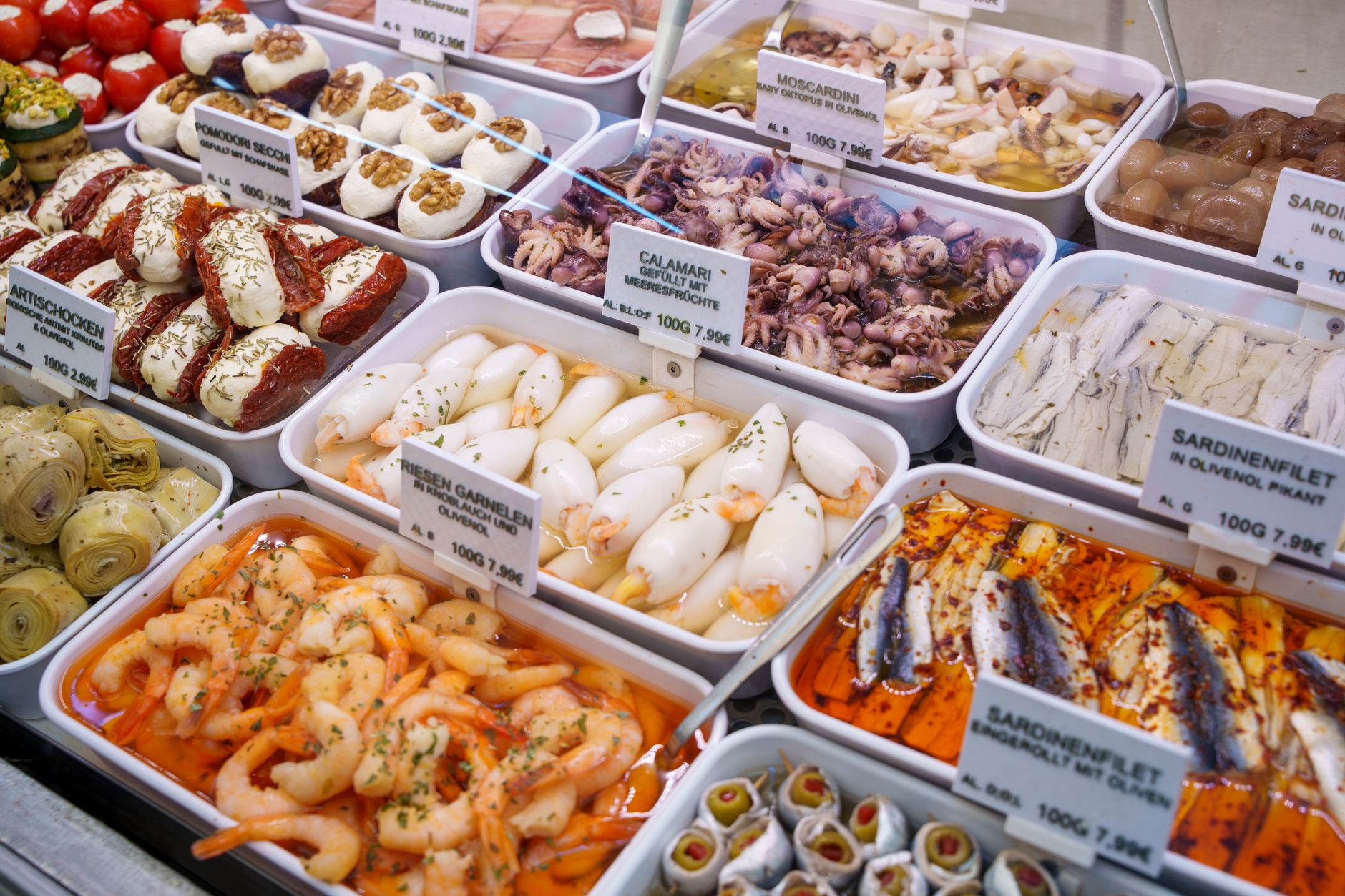
The influx of culinary tourists provides substantial financial support to regional hospitality markets, particularly outside traditional major metropolitan areas. Independent restaurants, small-scale producers, and specialty food retailers benefit directly from tourists seeking out distinct regional flavors. This distributed spending helps sustain local food supply chains, supporting surrounding agriculture, artisanal producers, and specialized culinary talent.
For independent restaurant owners, capturing the culinary tourist market offers a critical buffer against domestic economic volatility. Visitors who travel specifically for dining tend to demonstrate higher average ticket sizes and a greater willingness to explore premium beverage programs and multi-course tasting menus. Furthermore, culinary tourists often travel during off-peak seasonal windows, helping operators maintain consistent revenue streams throughout the entire year.
DESTINATIONS RESTRUCTURE TO CAPTRACT TASTE DRIFT
Tourism boards and municipal authorities are actively restructuring their promotional strategies to leverage this shift in consumer behavior. Destination marketing organizations are moving away from generic landmark promotions, choosing instead to highlight native culinary heritage, local wine regions, and distinctive dining neighborhoods. Strategic partnerships between tourism agencies and local hospitality associations have become standard practice for regional economic development campaigns.
In many international markets, infrastructure investments are directly reflecting this culinary orientation. Municipalities are funding the renovation of historic public food markets, establishing dedicated culinary walking districts, and simplifying permitting processes for seasonal food festivals. These public investments create controlled environments where local vendors can scale their operations while offering visiting consumers safe, concentrated culinary destinations.
While the growth of food tourism presents significant financial opportunities, it also introduces operational challenges for local hospitality businesses. Managing sudden surges in tourist demand can strain front-of-house service standards and back-of-house supply chain logistics. Independent operators must carefully balance the needs of visiting culinary tourists with the loyalty of their established local customer base, ensuring that rising popularity does not alienate neighborhood patrons.
Additionally, operators face the challenge of preserving culinary authenticity while managing high customer volume. As certain dining spots become viral tourist destinations, maintaining quality control and labor stability becomes increasingly complex. Successful operators are adapting by implementing streamlined reservation systems, expanding prep capacity, and developing targeted staff training programs focused on hospitality storytelling and menu education.
THE SHIFT TOWARD SUSTAINABLE CULINARY EXPLORATION
Another critical component of the modern food tourism movement is the growing emphasis on sustainability and traceability. Today's culinary travelers frequently seek out establishments that practice ethical sourcing, minimize food waste, and support local farming communities. This transparency has become a major competitive advantage for restaurants that can clearly articulate their supply chain relationships and environmental practices.
Regions that successfully showcase sustainable food production ecosystems, such as organic wine regions or farm-integrated dining concepts, are seeing elevated tourist retention rates. Consumers express higher satisfaction levels when their dining expenditures support local conservation efforts and preserve agricultural traditions. Consequently, sustainability is no longer just an operational efficiency, but a primary marketing asset in global culinary tourism.
For everyday travelers and food enthusiasts, the rise of food tourism means greater access to authentic regional cuisines and more tailored dining experiences worldwide. Destination options are expanding rapidly beyond traditional capital cities, allowing travelers to discover emerging food hubs that offer high culinary value at diverse price points. Vacation planning now offers unprecedented opportunities to engage directly with local chefs, artisans, and food producers.
For restaurant operators and food entrepreneurs, this macroeconomic trend highlights the importance of digital discoverability and authentic menu storytelling. By optimizing their online presence and emphasizing unique local ingredients, independent establishments can tap into a highly profitable stream of international visitors. Hospitality businesses that position themselves at the intersection of local culture and culinary excellence are best situated to capture long-term growth in this evolving travel market.
Sources and methodology
Reported from the public datasets below.
More from the Foodie Pundit Newsroom
- Inside The High-Yield Micro-Economics Of Thai Street Food Stalls
- The Experience Economy: How Dining Became a Status Symbol
- The Breakfast Battle: Shake Shack's High-Stakes Bet Against McDonald's Morning Dominance
- Starbucks filed Unicorn Frap trademark again, so get ready.
- Grocery Inflation Is Cooling Off, but Your Checkout Receipt Is Still Stuck at Historic Highs