The 25% Trade War: Food Groups Fight To Block Massive Brazil Tariffs
Industry associations are sounding the alarm as a looming 25% tariff on Brazilian imports threatens to spark a massive price hike for coffee, sugar, and citrus
By Foodie Pundit Newsroom - Published - Updated - Section: Coffee Cafes
Key points
- Industry groups are petitioning the U.S. Trade Representative's Office to exempt food and beverage products from a proposed 25% duty on Brazilian goods.
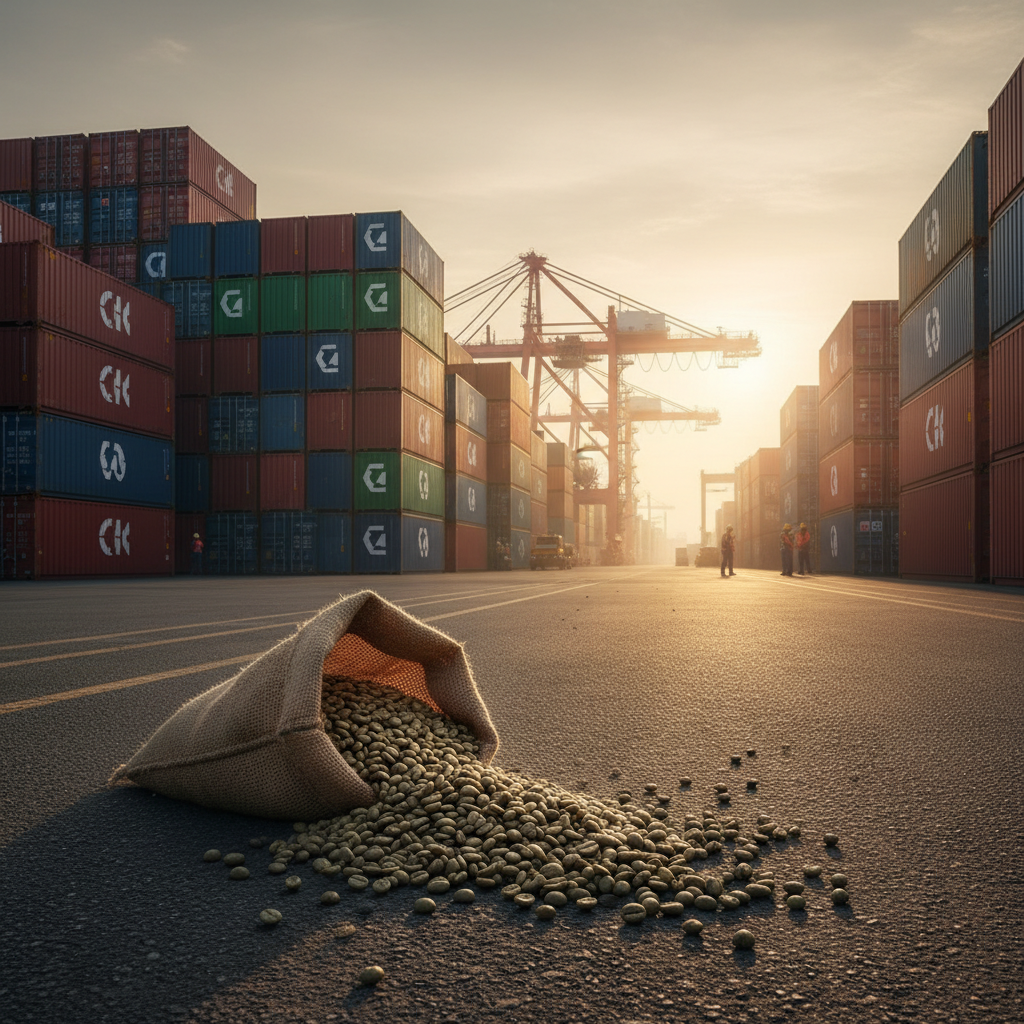
- Brazil is a primary global supplier of coffee, sugar, and orange juice; a flat tariff could trigger immediate price spikes for independent restaurants and major manufacturers alike.
- Unlike large corporations, independent food businesses lack the margins to absorb these costs, creating a high risk of consumer-facing inflation and potential closures.
The food world is currently bracing for a supply chain earthquake. Trade associations representing some of the biggest players in the food and beverage industry are mounting a desperate defense at the U.S. Trade Representative's Office. The issue? A massive 25% duty on Brazilian imports that could essentially rewrite the menu for thousands of American restaurants and grocery stores.
This is not a standard legal battle in a courtroom with a judge and a jury. Instead, it is a high stakes regulatory fight where industry groups are filing urgent comment letters to prevent what they describe as a looming economic catastrophe. The U.S. government is investigating alleged unfair trading practices by Brazil, and as a retaliatory measure, a heavy tariff is being prepared. However, the food industry is shouting from the rooftops that they are about to become collateral damage in a trade war they did not start.
The "tea" here is that Brazil is not just any trade partner. It is a powerhouse for ingredients that are deep in the DNA of American food culture. From the coffee beans that power your morning latte to the sugar that sweetens every baked good, and even the orange juice on your brunch table, Brazil is the backbone of the global pantry.
A 25% price hike at the border is not something companies can just "absorb." It is a cost that will inevitably trickle down to every taco truck, independent cafe, and family owned bistro in the country. Who Is On The Hook
While the official "defendants" in this trade investigation are the entities in Brazil accused of unfair practices, the real people on the hook are the stakeholders on American soil. We are talking about major industry associations that represent the collective interests of food importers, manufacturers, and restaurant groups.
These trade groups are the ones filing the legal paperwork, arguing that the 25% duty is a blunt instrument that will hurt American consumers more than it will punish Brazilian trade policy. On the hook are the beverage giants who rely on Brazilian sugar and fruit concentrates. Also on the hook are the massive coffee roasters who source specialized beans from the Minas Gerais region.
But perhaps most importantly, the people truly on the hook are the small business owners. Unlike a multinational corporation with billions in cash reserves, a local coffee shop cannot weather a 25% jump in item costs overnight. If the U.S. Trade Representative's Office (USTR) does not grant the exemptions these associations are pushing for, the "hook" will firmly snag the wallets of every foodie in the United States. So why is this a whole thing
The core of the dispute rests on allegations of unfair trading practices by the Brazilian government and its subsidized industries. The U.S. government claims that certain market maneuvers have given Brazilian exports an unfair advantage, leading to the proposed 25% tariff as a corrective measure.
The industry associations, however, are not necessarily defending Brazil's trade tactics. Instead, their allegations focus on the "disproportionate harm" the tariffs will cause. In their comment letters, they argue that there are no immediate, viable alternatives to Brazilian products.
You cannot simply flip a switch and source millions of tons of high quality coffee or sugar from another country. Agricultural cycles take years to pivot.
The stakeholders allege that the USTR's blanket 25% duty fails to account for the unique dependencies in the food and beverage sector. They are calling for "surgical exemptions" for specific food products that are essential to the American supply chain. Their argument is simple: if you tax these goods at the border, you aren't just punishing a foreign government, you are taxing the breakfast of every American worker. Financial Fallout
Let's talk numbers, because a 25% duty is a staggering amount of money in a low margin industry like food and beverage. In the world of high volume commodities, price increases are usually measured in fractions of a cent. A 25% jump is effectively a nuclear option.
If these tariffs go through without the requested exemptions, the financial fallout will be felt in two main ways. First, there is the immediate "landing cost" for importers. These companies will have to pay millions more upfront just to get their shipments cleared. This ties up liquidity and can lead to a massive crunch in the available supply.
Second, there is the consumer price index. Food inflation has already been a major pain point for Gen Z and Millennial consumers over the last three years. This tariff would act as a second wave of inflation. When the cost of Brazilian sugar or orange juice base goes up by a quarter, the shelf price of soda, juice, and candy follows.
For a mid-sized restaurant group, these increased costs could mean the difference between opening a new location or laying off staff. The associations argue that the cumulative financial impact could reach billions of dollars across the entire U.S. food economy. Big Tobacco Parallels
You might be wondering what a trade dispute over Brazilian goods has to do with Big Tobacco. There is actually a fascinating legal and strategic parallel here. In the late 20th century, the tobacco industry was the master of "regulatory lobbying." They didn't just fight cases in court, they tried to shape the very rules that governed their industry through massive campaigns at the regulatory level.
Similarly, the food and beverage industry is currently engaging in a high level "soft power" battle. They are using the same tactics Big Tobacco pioneered: framing the issue as an "unfair tax on the common person" and using massive industry associations to create a unified front. Just as Big Tobacco argued that regulations would destroy small farmers and local convenience stores, the food industry is arguing that these tariffs will destroy the independent restaurant scene.
The difference, of course, is the "why." While Big Tobacco was fighting for the right to sell a harmful product, the food industry is fighting for the affordability of basic ingredients. But the machinery is the same.
The use of comment periods, the mobilization of trade groups, and the narrative of "economic survival" are straight out of the big industry playbook. They are leaning on the government to understand that the food industry is "too big to fail" without causing a social outcry. Your local spot might be toast
This is where the story gets real for the local foodie and the independent chef. For a massive corporate chain like Starbucks or McDonald's, a 25% tariff is a headache, but they have the scale to renegotiate contracts and the diversified supply chains to source from other countries eventually.
For the independent restaurant, the situation is much darker. Most independent restaurants operate on profit margins of 3% to 5%. If your supplier notifies you that your sugar, citrus, and coffee costs are going up by 20% because of a trade war, you have zero room to move. You either raise your prices and risk losing your "regulars," or you eat the cost and risk going out of business.
Furthermore, independent restaurants don't have the legal teams to navigate the complexities of tariff exemptions. They rely on the work being done by these industry associations at the USTR level. If the associations fail to get specific food items on the exemption list, the independent sector will be the first to feel the squeeze. We could see a shift where "authentic" ingredients from Brazil become luxury items, priced out of reach for the average neighborhood bistro. Okay, so what now
The USTR is currently reviewing the flood of comment letters that were submitted in early July. This is the "waiting game" phase of the legal process. The government will have to weigh the desire to "get tough" on international trade rivals against the very real possibility of trigger
Sources and methodology
Reported from the public datasets below.
More from the Foodie Pundit Newsroom
- Grocery Bills Surge Again as Food Inflation Hits Supermarket Aisles
- Dominique crenn pivots to accessible food as bay area changes
- Lawrenceville Food Festivals Drive Regional Hospitality Growth
- The Battle for 'Bright & Mellow': Why Danone Is Suing Chobani Over Coffee Language
- Dominique Crenn Signals Strategic Evolution Away From Traditional Michelin Model