The Bakery Economics Of Flaky Pastry Techniques Exposed
Master pastry chefs expose the technical science of butter lamination and temperature control as retail ingredient demand surges.
By Foodie Pundit Newsroom - Published - Section: Desserts Snacks
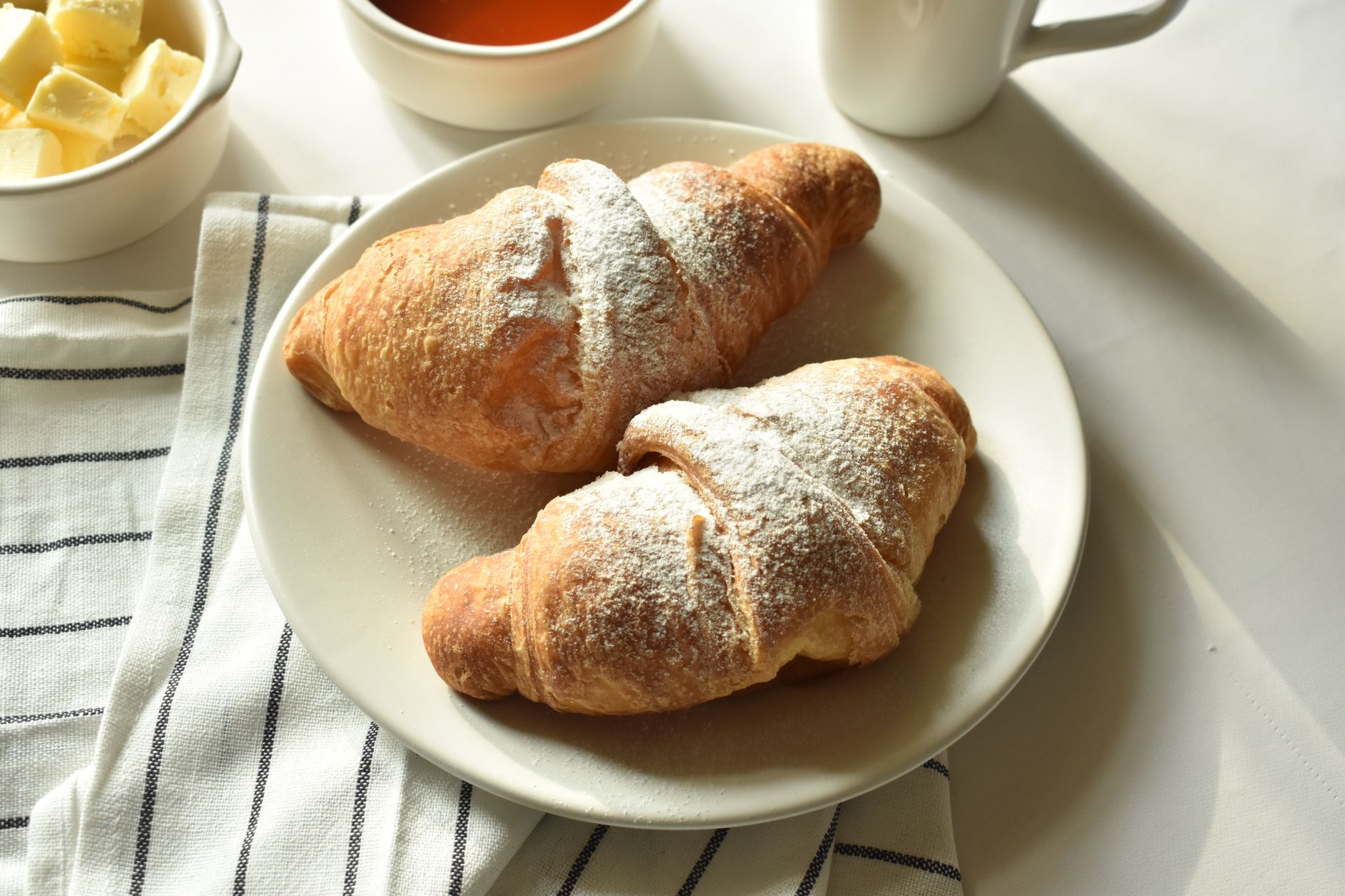
Key points
- High-fat European butter with eighty-two percent fat content is critical for proper lamination.
- Temperature management prevents butter layers from fracturing or melting prematurely.
- Steam expansion during baking creates the signature interior honeycomb structure.
- Rising commercial pastry prices drive increased consumer interest in domestic baking techniques.
PASTRY SHOP ECONOMICS AND HOME BAKER DEMAND
The commercial bakery sector has seen a sharp surge in consumer interest surrounding classic French viennoiserie techniques over the past fiscal year. As artisanal bakeries face rising wholesale costs for raw ingredients, home kitchen enthusiasts are increasingly attempting high-effort pastry production in domestic settings. Recent reporting by Evening Standard highlights how master bakers are responding by demystifying the complex science behind high-end croissant manufacturing. This transfer of professional knowledge comes at a critical time when consumers are evaluating the cost of premium bakery items against the effort required to reproduce them at home.
The financial reality of the specialty bakery market has forced many operators to reexamine their product margins. Butter and high-protein wheat flour have experienced significant price volatility, driving up the retail price of individual croissants in major metropolitan markets. Consumers who once purchased fresh pastries daily are now looking at domestic baking as both a hobby and a potential cost-saving measure. Professional chefs are seizing this moment to share refined technical secrets, demystifying the precise chemical interactions that turn basic lamination into light, airy pastry layers.
The core challenge of commercial-grade pastry making lies in managing the physical state of dairy fats during the rolling process. Professional bakers emphasize that maintaining a consistent ambient temperature in the kitchen is just as critical as selecting high-fat butter. European style butter, which typically contains eighty-two percent butterfat or higher, offers the ideal water-to-fat ratio necessary for proper layer separation.
If the butter becomes too warm, it absorbs into the dough matrix, yielding a dense, brioche-like texture rather than distinct flaky sheets. Conversely, if the fat becomes too cold, it fractures during rolling, leading to uneven distribution and compromised structural expansion during the bake.
Lamination requires multiple sequential folds, creating alternating layers of butter and yeast-leavened dough known as the detrempe. Industry experts noted by Evening Standard stress the importance of resting the dough between folds to relax the gluten network. Allowing the dough to rest prevents shrinkage and deformation, which ensures that the microscopic fat layers remain intact.
High-grade commercial bakeries utilize temperature-controlled sheeters to execute these turns with mathematical precision. Home cooks must rely on chilled work surfaces, precise rolling pin pressure, and frequent refrigeration intervals to mirror those commercial conditions.
The expansion of a croissant inside the oven relies on a dual-action mechanism involving biological leavening and physical steam generation. During the final proofing phase, shaped croissants must sit in a warm, humid environment to allow the yeast to produce carbon dioxide gas. Maintaining an environment below the melting point of the butter layer is crucial during this step. If the proofing chamber or home kitchen exceeds eighty-five degrees Fahrenheit, the solid fat layers will liquefy before entering the oven, leaking onto the baking sheet and destroying the desired honeycombed crumb interior.
Once the properly proofed pastry enters a high-temperature oven, the water trapped within the butter layers turns rapidly to steam. This steam pressure pushes the thin sheets of dough apart before the starch sets, creating the characteristic internal structure known as alveolation. Professional ovens utilize deck heating and steam injection to ensure maximum oven spring and a uniform crust color. Home bakers can simulate these industrial conditions by utilizing heavy baking stones and introducing controlled moisture into domestic ovens during the initial minutes of baking.
THE SUPPLY CHAIN OF SPECIALTY INGREDIENTS
The trend toward home pastry crafting has impacted retail supply chains, driving demand for specialized milling products and imported dairy goods. Commercial bakeries rely on high-grade flour with specific protein percentages to achieve proper dough extensibility without toughness. Retail consumers are now seeking out these same professional-grade flours, such as French Type 55 or unbleached bread flour with twelve percent protein content. This shift has prompted grocery distributors to stock commercial specialty items on retail shelves to capture the home baker demographic.
At the same time, regional creameries are expanding their production of high-fat cultured butter blocks designed specifically for domestic pastry work. Standard consumer butter often contains higher moisture levels, which generates excessive steam and degrades layer separation during rolling. By making professional grade ingredients available directly to retail shoppers, ingredient manufacturers are creating a secondary market surrounding home baking education. This symbiotic relationship allows commercial brands to monetize technical expertise through consumer product sales.
The democratization of professional pastry techniques allows consumers to better evaluate the value proposition of specialty bakeries. Mastering the complex science of lamination at home highlights why artisanal croissants command premium price points in commercial shop windows. Labor, high-fat dairy, and precise temperature management represent significant capital investments for local businesses. Understanding these production factors helps consumers make informed purchasing decisions, whether they choose to invest their time in home baking or support local independent pastry kitchens.
Sources and methodology
Reported from the public datasets below.
More from the Foodie Pundit Newsroom
- How Miso Chocolate Tarts Reflect a Broader Industry Shift Toward Umami Desserts
- The Economics and Engineering of the Perfect Butter Croissant
- Summer Dessert Trends Pivot Toward Viral Aesthetics and Nostalgic Flavors
- Taco Bell Bets Big on Premium Poultry with Nationwide Cantina Chicken Launch
- Chick-fil-A Escalates Fast-Food Speed Wars with Upper-Deck Kitchens and High-Tech Lanes