The Business Behind the Butter Board Trend Transforming Shared Appetizers
A simple dairy staple becomes a viral culinary sensation that offers high visual appeal and strong profit potential for home hosts and restaurant operators.
By Foodie Pundit Newsroom - Published - Updated - Section: Agriculture Supply
Key points
- The butter board trend transforms high-quality butter and inexpensive garnishes into a highly photogenic alternative to traditional charcuterie.
- Low foundational food costs give butter boards superior margin potential compared to meat and cheese platters.
- Food safety debates have led hosts to favor non-porous surfaces like slate and ceramic over traditional wooden boards.
- The concept has expanded into plant-based alternatives and other spreadable foundations like cream cheese and hummus.
For years, the charcuterie board reigned supreme as the quintessential party starter for casual gatherings and upscale events alike. Cured meats, artisanal cheeses, dried fruits, and nuts arranged artfully on wooden platters became a social media staple and a lucrative menu item for hospitality operators. With beef prices recently reaching $8.07 per pound and up 4.15% from a year ago, and cheddar cheese blocks at $1.98 per pound, a 16.47% increase, the economics of these elaborate boards are shifting.
Recently, a new viral phenomenon has challenged that supremacy by centering entirely on a much more common, and currently more stable, dairy product. The butter board, a concept that rapidly gained traction across digital platforms, involves spreading softened butter across a serving platter and topping it with a variety of sweet or savory ingredients. While butter prices stand at $3.08 per pound, a modest 2.33% increase year over year, its relative affordability compared to other proteins and cheeses presents a compelling economic advantage for consumers and businesses alike.
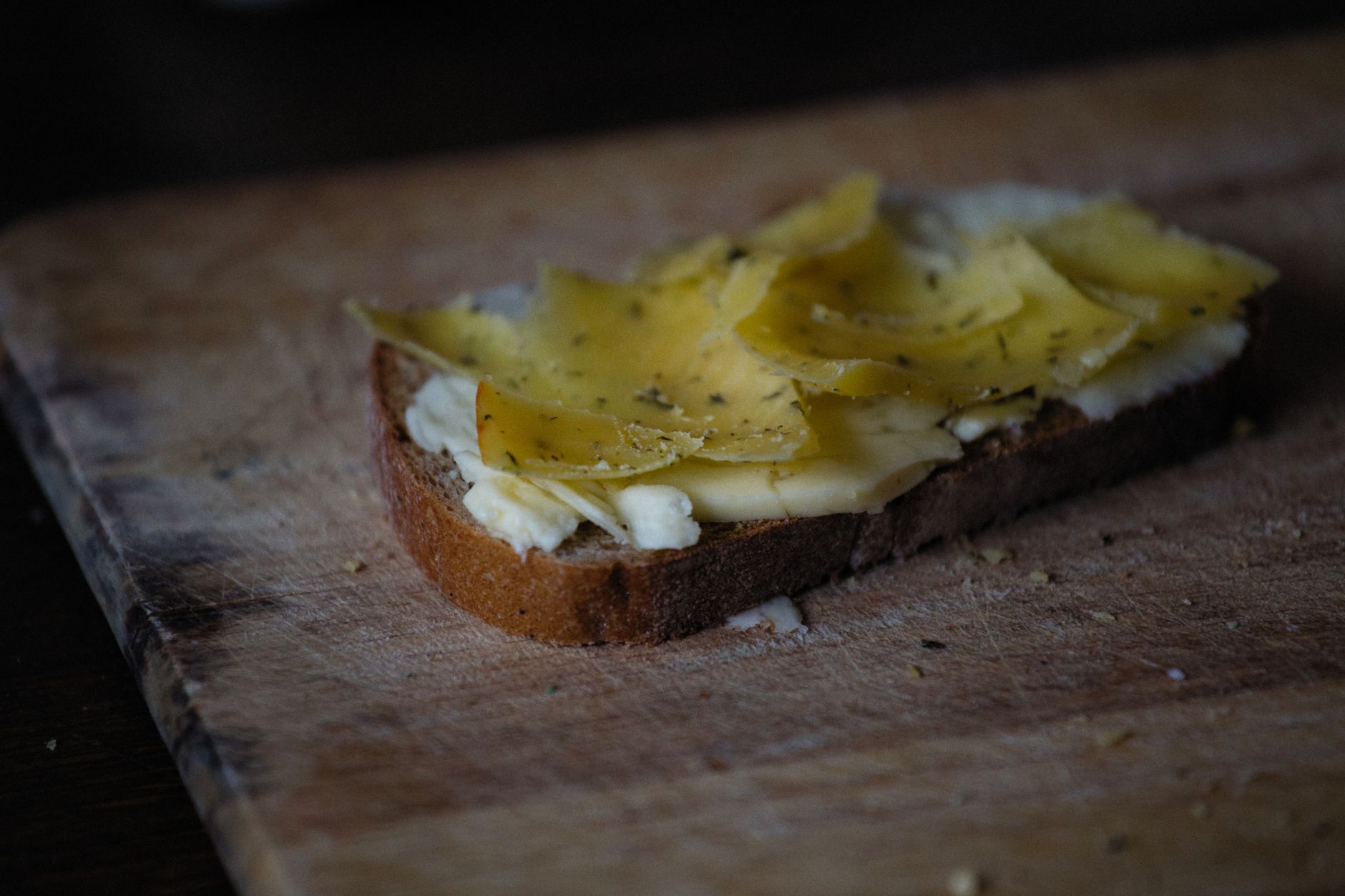
The trend gained widespread visibility after culinary creators shared videos demonstrating the preparation method online. The core concept relies on high quality softened butter whipped or swirled directly onto a clean cutting board or marble slab. From there, hosts sprinkle toppings such as flaky sea salt, cracked black pepper, fresh herbs, edible flowers, honey, citrus zest, or crushed nuts over the butter surface. Guests then use crusty bread, warm baguettes, or crackers to scoop the seasoned butter directly from the shared board.
Reporting from Today.com highlighted how quickly the visual appeal of these spreads translated into social engagement and home entertaining adoption. The aesthetic qualities of swirled butter combined with colorful garnishes make the dish highly photogenic, which is a key driver for modern food trends. While the idea of serving seasoned butter with bread is a long standing tradition in fine dining restaurants, presenting it as an interactive, central shared platter represents a fresh consumer format.
From a restaurant industry and entertaining economics perspective, the butter board presents an intriguing dynamic regarding cost structure and perceived value. Charcuterie boards often carry high wholesale food costs due to the inclusion of aged cheeses, imported cured meats, and specialized condiments. Margins on traditional charcuterie can be tight for operators unless priced at a significant premium, which may occasionally deter cost conscious diners.
In contrast, butter serves as a relatively low cost foundational ingredient, even when sourcing premium cultured or European style varieties. A standard block of high fat, high quality butter costs a fraction of an equivalent weight of prosciutto or aged gouda. By adding low cost garnishes like fresh herbs, salt, or citrus, creators and operators can produce a visually stunning spread at a minimal wholesale food cost. This dynamic creates a high perceived value for consumers who are drawn to the luxurious presentation without requiring expensive protein components.
Dairy commodity markets also play a role in how this trend intersects with the broader food economy. While butter prices experience fluctuations based on feed costs, herd yields, and processing capacities, butter remains a staple commodity with predictable supply chains. For commercial kitchens, utilizing butter as a center of the table feature offers a reliable method for controlling food cost percentages while maintaining an elevated menu profile.
As the butter board exploded in popularity, it also sparked a significant debate regarding food safety, hygiene, and practical service mechanics. Critics on social media were quick to point out the potential sanitary risks associated with multiple guests dragging bread across a shared wooden surface. Traditional wooden cutting boards can possess microscopic grooves that harbor bacteria if not sanitized properly, leading some health experts to advise caution when spreading fat directly onto wood.
To mitigate these concerns, culinary professionals and experienced hosts have adopted refined techniques to balance presentation with food safety. Many recommend using non porous surfaces such as marble slabs, slate platters, or ceramic trays, which are easier to thoroughly sanitize than porous wood. Additionally, providing individual wooden spreaders or butter knives prevents direct contact between the guest's bread and the main board, reducing the risk of cross contamination during social gatherings.
Temperature control is another operational factor that determines the success of a butter board. The butter must be soft enough to spread smoothly without tearing the bread, yet cool enough to maintain its structural integrity under ambient room conditions. If left out too long in a warm environment, the fat can begin to separate, creating an unappealing texture and appearance. Operators and hosts must carefully time the assembly and service of the board to ensure optimal quality throughout an event.
The versatility of the concept has led to rapid iteration across the foodservice sector. Operators are expanding beyond traditional dairy butter to accommodate various dietary preferences and flavor profiles. Compound butter variations, incorporating roasted garlic, chili paste, truffles, or caramelized onions, allow chefs to showcase signature culinary styles within a simple format.
Plant based alternatives have also found a place in the market. As vegan butter formulations improve in texture and flavor, plant based boards are becoming popular options for inclusive event menus. Furthermore, some creators have adapted the underlying visual format to other spreadable foods, giving rise to cream cheese boards, hummus boards, and ricotta spreads structured in the same artistic style.
For home cooks and hosts, the butter board offers a cost effective and visually impressive alternative to expensive entertaining platters. You can achieve a high end, restaurant quality presentation using basic grocery store staples, provided you select good quality butter and pay attention to surface sanitation. Using slate or ceramic platters alongside dedicated butter knives ensures a safe and delightful experience for your guests.
We keep our own count of what this runs on a menu. Across 18,982 menu readings we logged in 387 cities, the middle price for a restaurant plate sits at $9.00. Those are our readings, off menus we watch, and they are the yardstick we measure this against.
Sources and methodology
Reported from the public datasets below.
More from the Foodie Pundit Newsroom
- The New High: How State-Led Psychedelic and Cannabis Shifts Are Rewriting the Menu
- Dutch Food Tech Fund Reveals Inaugural Investments in Agricultural Infrastructure and Processing
- Dominique Crenn Expands Fine Dining Empire With Major Paris Opening
- Bishop Arts Speakeasy Model Signals Broader Shift In Restaurant Economics
- San Francisco Pop-Up Restaurants Lock In Permanent Storefronts as Business Model Proves Viable