The Business of Girl Dinner: How Grazing Culture Is Reshaping Nightly Dining Trends
The viral social media phenomenon is reshaping consumer dining habits, driving demand for quick grazing plates and low effort evening options.
By Foodie Pundit Newsroom - Published - Updated - Section: Social Virality
Key points
- Informal grazing plates are replacing traditional cooked meals for millions of consumers seeking convenience and affordability.
- The trend draws inspiration from European tapas and charcuterie, adapted for solo, single-serving weeknight dining.
- Restaurants and packaged goods brands are expanding small-plate offerings to capitalize on changing consumer habits.
- Dietitians emphasize that snack-based meals can be nutritionally balanced when thoughtfully assembled with whole foods.
A new culinary trend is redefining weeknight eating habits across the country. The concept of girl dinner, a viral phenomenon that originated on short form video platforms, has captured the attention of millions of consumers and food industry analysts. Rather than spending hours over a hot stove preparing traditional protein, starch, and vegetable plates, diners are opting for curated assemblages of snacks, small bites, and leftover pantry staples.
According to reporting from TODAY.com, the movement began as a candid celebration of low effort meals consumed when eating alone. What started as simple videos showing plates filled with cheese cubes, grapes, pickles, and crackers has rapidly evolved into a broader cultural conversation about convenience, domestic labor, and modern dining expectations. For restaurant operators and packaged goods brands, the shift represents a significant evolution in how consumers view the evening meal.
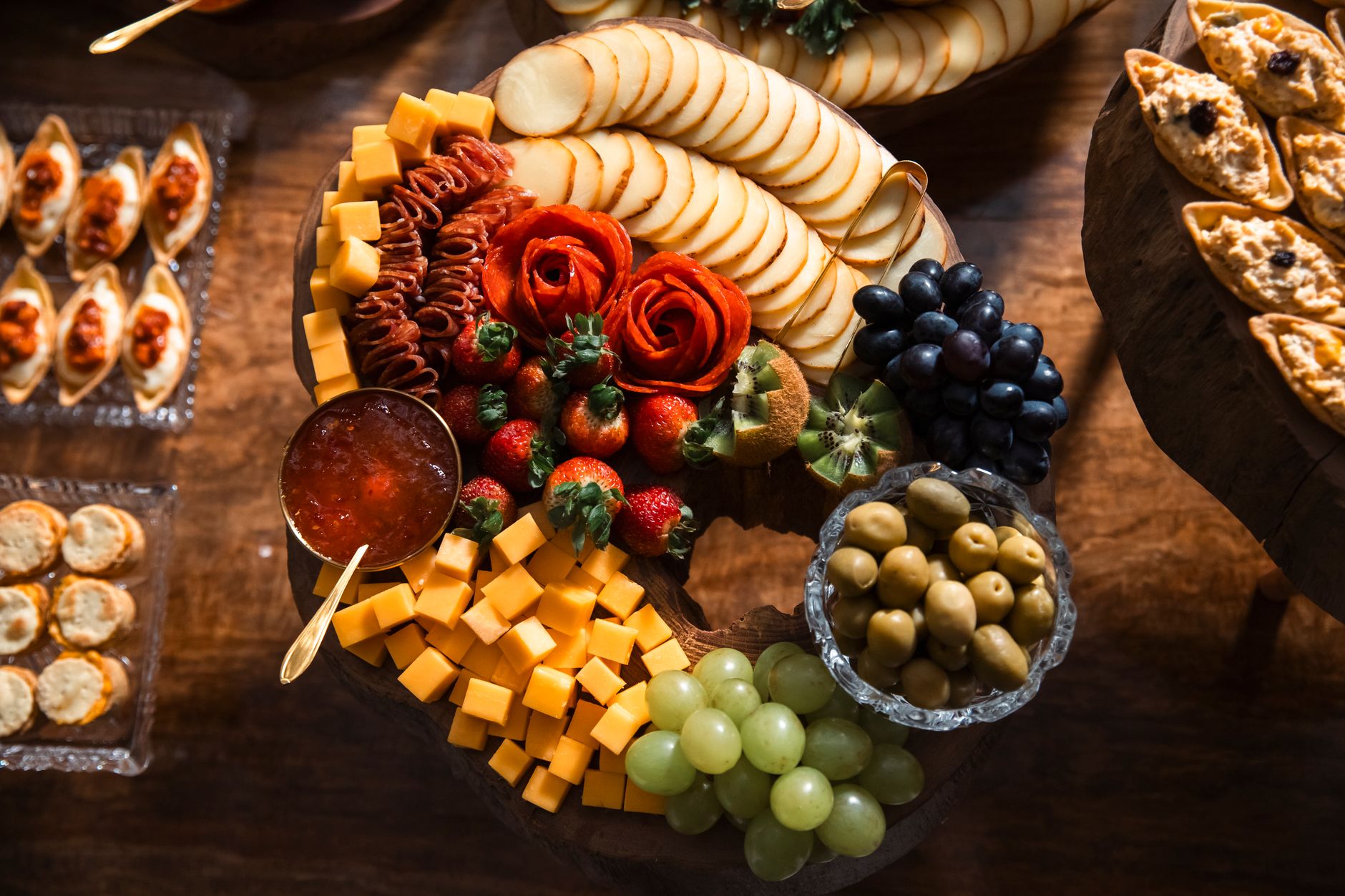
The term girl dinner was coined to describe an intuitive, low prep style of eating that prioritizes convenience and personal craving over culinary complexity. On social media, users share visually appealing spreads featuring a mix of textures and flavors. A typical presentation might combine hard boiled eggs, sliced salami, crusty bread, fresh fruit, and a handful of nuts.
Industry observers note that while the concept is not fundamentally new, its packaging as an aspirational aesthetic has given it fresh momentum. The trend draws clear parallels to European style grazing boards, traditional tapas, and classic meze platters. However, unlike formal charcuterie presentations designed for entertaining guests, these single serving spreads are created specifically for individual consumption.
ECONOMIC FACTORS DRIVING THE Grazing HABIT
The sudden popularity of no cook dining is closely tied to current macroeconomic conditions and changing lifestyle patterns. Rising food costs at both the grocery store and traditional restaurants have led many consumers to reconsider their weekly dining budgets. As menu prices increase, the economic appeal of assembling a meal from existing pantry inventory becomes increasingly attractive.
Furthermore, changing work patterns have altered the daily schedule for millions of professionals. With remote and hybrid work models blurring the line between office hours and personal time, the motivation to execute complex recipes after a long workday has waned. A snack focused meal offers immediate satisfaction without the burden of extensive prep work or dishwashing.
RESTAURANT INDUSTRY RESPONSES AND OPPORTUNITIES
The commercial food sector is paying close attention to the rise of grazing culture. Forward thinking restaurant operators are adapting their menus to cater to guests who prefer variety and smaller portions over heavy main courses. Appetizer menus are expanding, and many establishments are reporting increased sales of small plates, shared boards, and customizable snack selections.
Packaged food manufacturers are also capitalizing on the demand for convenient, multi component options. Supermarket shelves are seeing an influx of pre balanced snack packs, adult lunch boxes, and specialty cheese and meat combinations. By marketing these products as easy meal solutions rather than mere mid afternoon snacks, brands are unlocking new revenue streams during the evening dining window.
NUTRITIONAL CONSIDERATIONS AND INDUSTRY DEBATE
As with any major dietary shift, the rise of snack based dinners has sparked discussion among health professionals and food commentators. Registered dietitians interviewed by media outlets including TODAY.com point out that a well constructed grazing plate can easily fulfill daily nutritional requirements. Including a balance of lean proteins, fiber rich carbohydrates, and healthy fats ensures that a low effort meal remains dietary sound.
However, experts also caution against relying exclusively on highly processed snack foods that may contain elevated levels of sodium or saturated fats. The key to sustaining this eating style lies in thoughtful ingredient selection, ensuring that convenience does not completely displace whole, nutrient dense foods.
The popularity of informal, snack centered dining signals a long term shift in consumer behavior that extends far beyond a fleeting digital fad. Modern consumers are increasingly willing to discard traditional rules regarding what constitutes a proper dinner, opting instead for flexibility, affordability, and personal preference.
As convenience remains a dominant driver in consumer food choices, the boundaries between snacking and formal meals will continue to dissolve. Industry analysts predict that brands and restaurants that successfully cater to this desire for customizable, effortless dining will enjoy a competitive advantage in the evolving food marketplace.
For the average consumer, the rise of informal grazing plates offers permission to prioritize convenience without sacrificing enjoyment or flavor. Assembling an evening meal from basic pantry items can save significant time and reduce household food waste. By keeping a stock of versatile ingredients like canned legumes, fresh produce, cured meats, and high quality cheeses, home cooks can create satisfying, budget friendly meals in minutes.
For food business owners and operators, this trend underscores the necessity of offering flexible menu options. Restaurant guests increasingly appreciate menu designs that allow for building custom small plate experiences rather than locking them into traditional three course structures. Adapting to this shift by emphasizing variety, portability, and value will help hospitality businesses maintain strong guest engagement in a competitive environment.
More from the Foodie Pundit Newsroom
- Chick-fil-A Accelerates Drive-Thru Tech Upgrades To Boost Service Speed And Unit Volume
- Automated Kitchens and Digital Order Takers Reshape Restaurant Economics
- Bay Area Diners Face Economic Crossroads as Legacy Venues Shutter After Half a Century
- Inside Papa Johns Digital Transformation Strategy to Boost Sales and Efficiency
- Kroger Drops Prices on Over 1,000 Everyday Essentials to Win Back Value Seekers