The Business of Snack Dining: How the Resurgence of Casual Grazing is Transforming Food Retail and Restaurants
As summer heat hits, the viral snack-plate meal trend returns to reshape grocery shopping habits, pantry sales, and restaurant menu design.
By Foodie Pundit Newsroom - Published - Updated - Section: Desserts Snacks
Key points
- The viral social media phenomenon of casual snack dinners has returned, driven by warmer weather and a consumer demand for simple, ambient meal solutions.
- Economic pressures including grocery inflation and time poverty are nudging shoppers away from complex recipes toward flexible, pantry-led grazing plates.
- Grocers and specialty food producers are capitalizing on the trend through expanded pre-packaged charcuterie items, single-serve dips, and premium tinned seafood.
- Restaurants are adapting by expanding appetizer programs and curated shareable boards that offer high profit margins and lower labor demands.
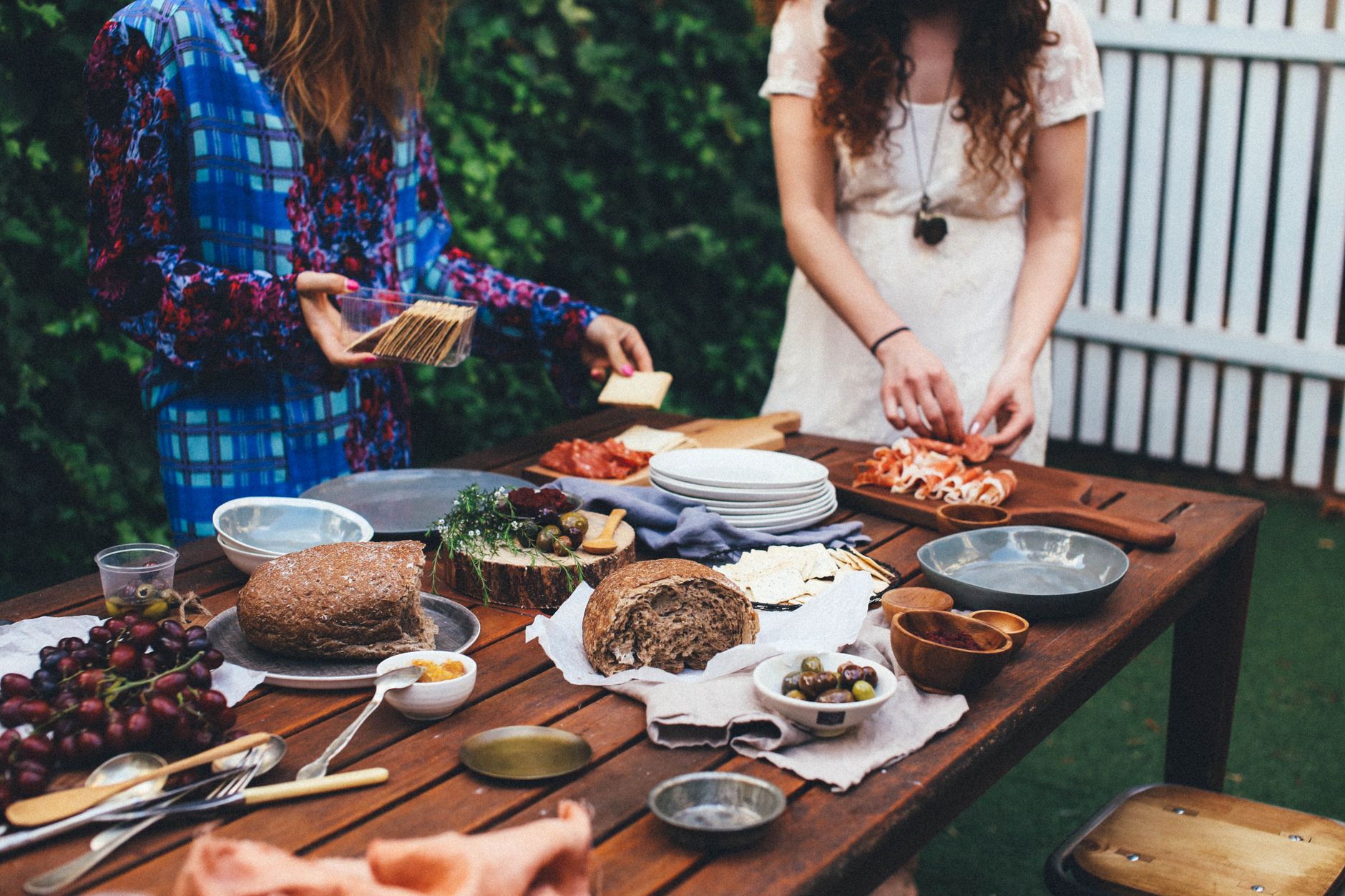
The viral social media phenomenon known as girl dinner has officially reclaimed its spot in the cultural zeitgeist this season. First popularized on video sharing platforms as a celebratory embrace of unpretentious, low-effort meals, the trend centers on assembling eclectic plates of disparate snacks, dips, and pantry staples. While initial media coverage framed the habit as a fleeting internet fad, new industry analysis indicates that this snack-centric dining style reflects permanent shifts in consumer behavior and household food economics.
As temperatures rise, home cooks are increasingly abandoning traditional multi-course meal preparation in favor of ambient, no-cook assemblies. Recent reporting by Today.com highlights how the summer iteration of this viral dining style emphasizes seasonal produce, tinned fish, fresh cheeses, and artisanal crackers. What began as an informal digital showcase of personal comfort foods has matured into an influential dining category that is actively reshaping retail product development and restaurant menu design across the country.
The sustained popularity of assemble-at-home snack boards is deeply tied to broader macroeconomic pressures affecting grocery shoppers. Grocery inflation, though cooling from historic peaks, has left consumers sensitive to the cost of raw ingredients and complex recipes. Purchasing individual specialty items for elaborate home-cooked dinners often leads to higher register totals and potential food waste, whereas assembling small portions of versatile pantry staples allows households to stretch their grocery budgets further.
Time poverty remains another critical factor fueling the adoption of minimal-prep dining. Modern work schedules and flexible lifestyles have eroded the traditional concept of a seated, formal evening meal. For many working adults, the mental labor required to plan, execute, and clean up after a structured dinner is increasingly unappealing. Snack plates offer maximum sensory satisfaction with minimal active preparation and cleanup time, making them an ideal operational model for busy weeknights.
RETAILERS CAPITALIZE ON PORTION PREFERENCES
Food retailers have been quick to recognize the financial opportunities presented by the casual snacking movement. Major supermarket chains and specialty grocers are expanding their inventory of pre-packaged tapas components, individual charcuterie kits, and single-serve dips. By strategically merchandising these items together in cold cases, grocers are capturing high-margin impulse purchases from shoppers looking to construct effortless evening meals without buying full-sized bulk packages.
The specialty food sector has experienced a notable surge in demand for premium pantry items directly linked to this trend. Tinned seafood, high-end olive oils, specialized pickles, and craft crackers have transitioned from niche gourmet items into mainstream weekly purchases. Retailers reporting sales growth in these categories attribute much of the volume to consumers who treat high-quality, shelf-stable goods as accessible luxuries that elevate simple, no-cook dinners.
The influence of home snack plates has extended far beyond domestic kitchens and into commercial restaurant operations. Operators across the hospitality sector report a steady increase in guests ordering multiple small plates, appetizers, and grazing boards to share rather than traditional individual entrees. This shift in ordering patterns allows diners to customize their culinary experience while maintaining control over total check sizes during uncertain economic times.
To capitalize on this consumer preference, menu developers are designing dedicated board programs and expanded snack sections. Establishments that previously focused on heavy evening mains are introducing ambient bar bites, curated cheese arrangements, and customizable tinned fish presentations. Industry analysts note that these menu items offer restaurant kitchens exceptionally high margins and low labor intensity, as many components require simple assembly rather than complex line cooking.
NUTRITIONAL CONSIDERATIONS AND INDUSTRY LONGEVITY
While early critiques of the viral trend questioned the nutritional adequacy of casual snack plates, health professionals and culinary experts emphasize that balanced grazing can easily fulfill daily dietary requirements. Incorporating lean proteins such as canned sardines, hard-boiled eggs, or legume dips alongside raw vegetables, whole grains, and healthy fats results in a nutrient-dense meal. The flexibility of the format allows individuals to adjust portions and components based on personal dietary requirements without rigid restrictions.
The longevity of snack-style dining appears secure as demographic shifts continue to alter household structures. Single-person households and young urban professionals represent the fastest-growing market segments for grocery retailers and food service operators. For these demographics, traditional family-sized meal preparation is often inefficient and costly. The snack board format aligns perfectly with smaller household sizes, offering variety without the risk of spoilage or excessive leftovers.
For the average consumer, the resurgence of casual, snack-focused dinners offers a practical framework for navigating high food costs and busy summer schedules. Embracing no-cook dining allows you to reduce food waste by utilizing leftover pantry ingredients, small portions of cheeses, and seasonal produce before items spoil.
From a budgeting perspective, leaning into high-quality ambient foods can lower overall grocery expenditures compared to buying fresh meats and complex produce lines for traditional recipes. Retailers are making it easier than ever to curate these plates by offering diverse single-serve items, though assembling components from scratch remains the most cost-effective approach.
When dining out, do not hesitate to build an evening meal from the appetizer menu or shared board options. Restaurant operators have leanly adapted to this dining style, meaning that ordering several small plates often delivers better value, greater culinary variety, and a lower total check price than standard individual entrees.
Sources and methodology
Reported from the public datasets below.
More from the Foodie Pundit Newsroom
- McDonalds Refines Classic Big Mac Recipe Across US Locations
- Why Grocery Bills Remain High Even As Broader Inflation Metrics Cool Down
- Subway Viral Sandwich Launch Triggers Social Media Debate Over Fast Food Quality
- Subway New Menu Launch Sparks Social Media Backlash Over Store Consistency
- Panera Overhauls National Menu With Nine New Additions And Upgraded Classics