The Economic and Culinary Shift Behind Viral Shortcut Pasta Salads
Viral social media culinary shortcuts are redefining how home cooks approach quick weeknight entertaining and budget-conscious meal prep.
By Foodie Pundit Newsroom - Published - Section: Social Virality
Key points
- Viral short-form video recipes are driving consumer interest toward semi-homemade cooking strategies that save time and reduce labor.
- Utilizing store-bought convenience components reduces total food waste while delivering high-flavor yields for home cooks.
- Grocery retailers are adjusting end-cap inventory to capitalize on social media trends that boost demand for shelf-stable staples.
- Budget-conscious consumers are adopting simplified recipes to maintain casual home entertaining without high catering expenses.
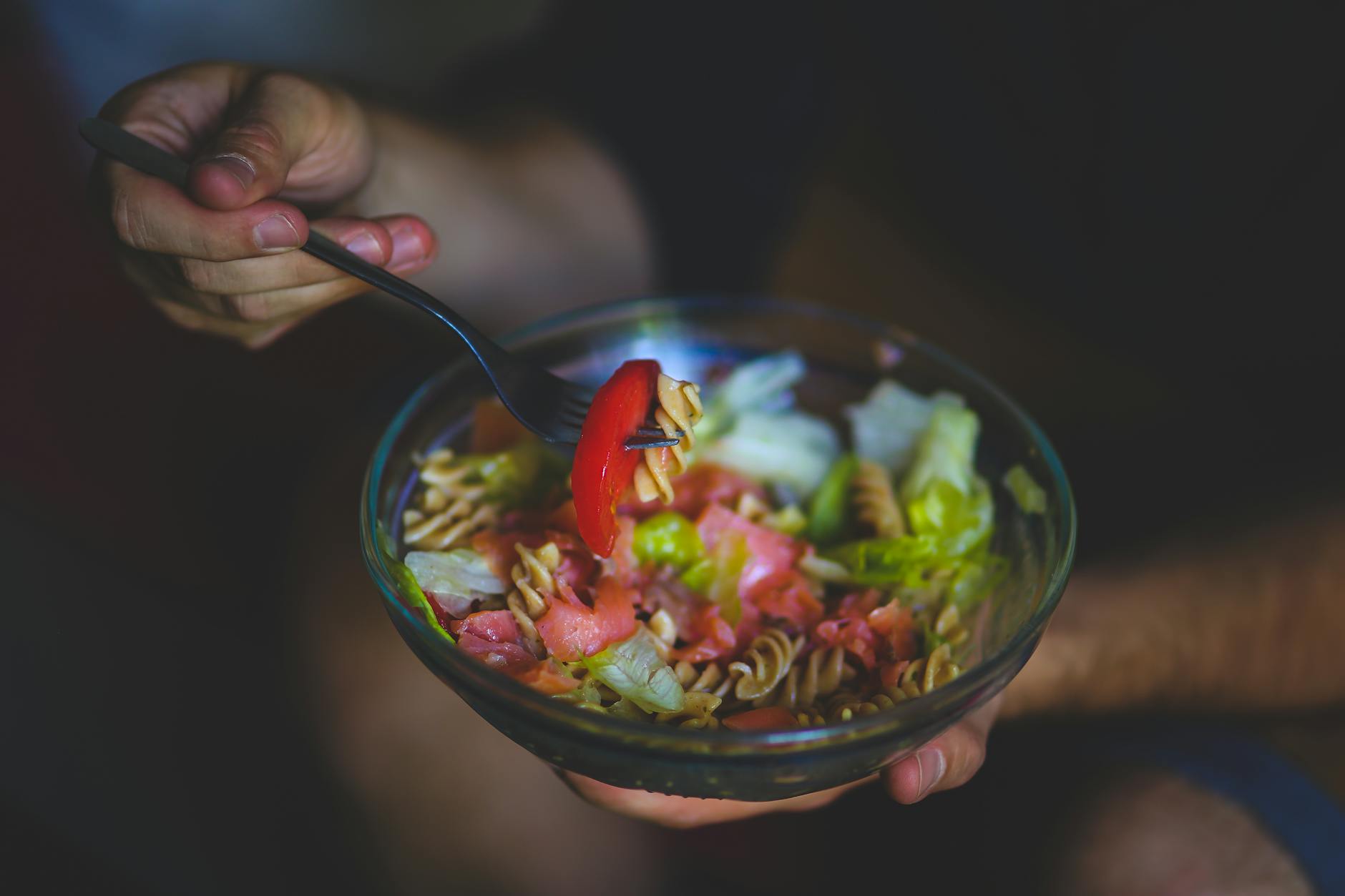
viral social media recipes frequently reshape consumer meal preparation habits, but few trends demonstrate the economic efficiency of modern convenience cooking like the rise of simplified pasta salad hacks. A recent viral trend on TikTok has captured national attention by offering a streamlined approach to a classic summer side dish. Reporting from TODAY highlights how this shortcut method eliminates traditional kitchen friction points while delivering high flavor yields.
The strategy relies on smart ingredient pairing and ready-made components rather than labor-intensive prep work. For decades, traditional pasta salad required extensive chopping, custom dressing emulsification, and lengthy chilling times. The updated viral methodology replaces these individual labor steps with pre-curated store items, significantly reducing active preparation time to just a few minutes.
The popularity of quick kitchen shortcuts reflects broader shifting consumer dynamics in the food industry. Inflationary pressures on grocery budgets have forced households to balance expenditure against convenience. While purchasing fully prepared deli salads carries a steep premium, scratch cooking requires time investments that busy working families often cannot afford.
Middle ground recipes, often categorized as semi-homemade meal solutions, provide a compelling financial compromise. By combining low cost pantry staples like dried pasta with targeted high value convenience items like pre-marinated vegetables or bottled dressings, home cooks achieve a professional quality output. This dynamic explains why short form video platforms have become primary incubators for everyday culinary trends.
The core mechanism of the trending pasta salad hack involves leveraging multi-purpose convenience ingredients. Instead of purchasing separate spices, oils, and acids, the recipe utilizes rich store bought dressings and pre-packaged deli ingredients that double as flavor accelerators. The pasta absorbs intense flavors quickly when tossed while still warm, bypassing the need for an overnight marinade process.
This approach minimizes food waste, which remains a major cost driver for household kitchens. Buying whole bell peppers, onions, fresh herbs, and multiple blocks of cheese often leads to leftover spoilage for small households. Utilizing pre-mixed antipasto blends or salad kits ensures that every purchased ingredient is consumed in a single culinary application.
Grocery retailers are paying close attention to these viral social media recipes as they directly influence store traffic and aisle navigation. When a specific dish trends online, regional supermarkets often notice localized spikes in dried pasta sales, specialty dressings, and jarred pickled goods. Smart retailers are increasingly grouping these complementary items together in end-cap displays to capitalize on spontaneous impulse purchases.
The food intelligence sector tracks these rapid demand shifts closely. Traditional consumer packaged goods companies spend months planning product launches, yet a single viral video can alter purchasing behavior overnight. Manufacturers of shelf-stable pasta and jarred sauces stand to gain substantial volume growth by aligning their promotional marketing with these organic digital trends.
Beyond individual weeknight dinners, streamlined recipes are fundamentally altering how Americans approach casual hosting and potluck events. High inflation has made catering or ordering large restaurant takeout packages prohibitively expensive for routine gatherings. Consequently, home cooks are seeking low stress recipes that can be scaled up affordably for larger crowds.
Pasta salad has long served as a staple of North American social gatherings due to its stability at room temperature and broad appeal. By stripping away complex preparation steps, the viral TikTok technique lowers the barrier to entry for hosting. Young consumers, in particular, are adopting these low effort entertaining strategies to maintain social dining traditions on tighter budgets.
Another reason this viral preparation method has gained traction is its inherent customizability. Traditional deli pasta salads often suffer from excessive heavy mayonnaise bases that do not appeal to modern wellness focused shoppers. The current viral trend leans heavily into vibrant Mediterranean flavor profiles, utilizing olive oil dressings, briny olives, crumbled cheeses, and lean proteins.
Home cooks can easily modify the base template to accommodate specific dietary requirements without increasing complexity. Swapping traditional wheat pasta for chickpea or lentil varieties boosts protein content while keeping the effortless prep steps intact. This flexibility ensures the trend maintains broad demographic appeal across different dietary preferences and age groups.
For the everyday consumer, the rise of smart recipe shortcuts offers a practical roadmap for managing both time and grocery expenditure. You do not need expensive kitchen tools or professional culinary training to produce satisfying, crowd pleasing meals. Utilizing pre-processed ingredients strategically allows you to cut active cooking time dramatically without sacrificing flavor.
From a budgeting perspective, adopting semi-homemade hacks helps maximize your grocery store efficiency. By purchasing targeted convenience items that pack concentrated flavor, you reduce the overall number of individual ingredients required on your shopping list. This focused purchasing strategy reduces food waste, lowers overall register receipts, and keeps weeknight meal preparation stress to a absolute minimum.
Sources and methodology
Reported from the public datasets below.
More from the Foodie Pundit Newsroom
- Is Texas de Brazil About To Make A Florida Move?
- Sweet Butter Boards Take Over Summer Menus as Operators Capitalize on High-Margin Trend
- Marcus Samuelsson Releases New Cookbook to Transform Home Dining Economics
- A $12 million order of pollock sticks landed in Alaska. Here is what that actually means for food banks and kitchens
- A New Mystery Is Brewing In Florida