The Economic and Cultural Drivers Behind the Lasting Resurgence of Girl Dinner
The viral internet phenomenon centered on quick, assembly-style meals is showing impressive staying power, reshaping consumer grocery purchasing and restaurant
By Foodie Pundit Newsroom - Published - Section: Grocery Cpg
Key points
- The viral trend continues to drive consumer demand for grazing foods, single-serve snacks, and low-prep dining solutions.
- Grocery retailers and food manufacturers are altering product displays and packaging to capitalize on sustained sales of charcuterie and pantry staples.
- Restaurants are adapting to the shift by expanding small-plate menus, tapas offerings, and customizable shared platters.
- Rising food costs and a desire for reduced domestic labor remain the primary economic and social drivers of the movement.
A viral social media phenomenon that captured public attention last year is experiencing a major resurgence across digital platforms, bringing renewed scrutiny to shifting consumer dining habits. Known broadly as girl dinner, the trend centers on assembling low-effort meals from snack foods, leftovers, and disparate pantry items rather than preparing traditional hot dinners. Recent coverage by Today.com highlights how the movement has evolved from a lighthearted personal preference into a durable cultural statement with measurable impacts on retail food sales and restaurant traffic.
What began as casual video posts showing plates filled with pickles, cheese cubes, sliced fruit, and crackers has transformed into a sustained consumer pattern. Social media analytics show renewed engagement spikes for content tagged with the moniker, as millions of users share their own daily combinations. Analysts attribute this enduring popularity to a combination of rising food prices, busy modern schedules, and a collective rejection of elaborate cooking expectations after long workdays.
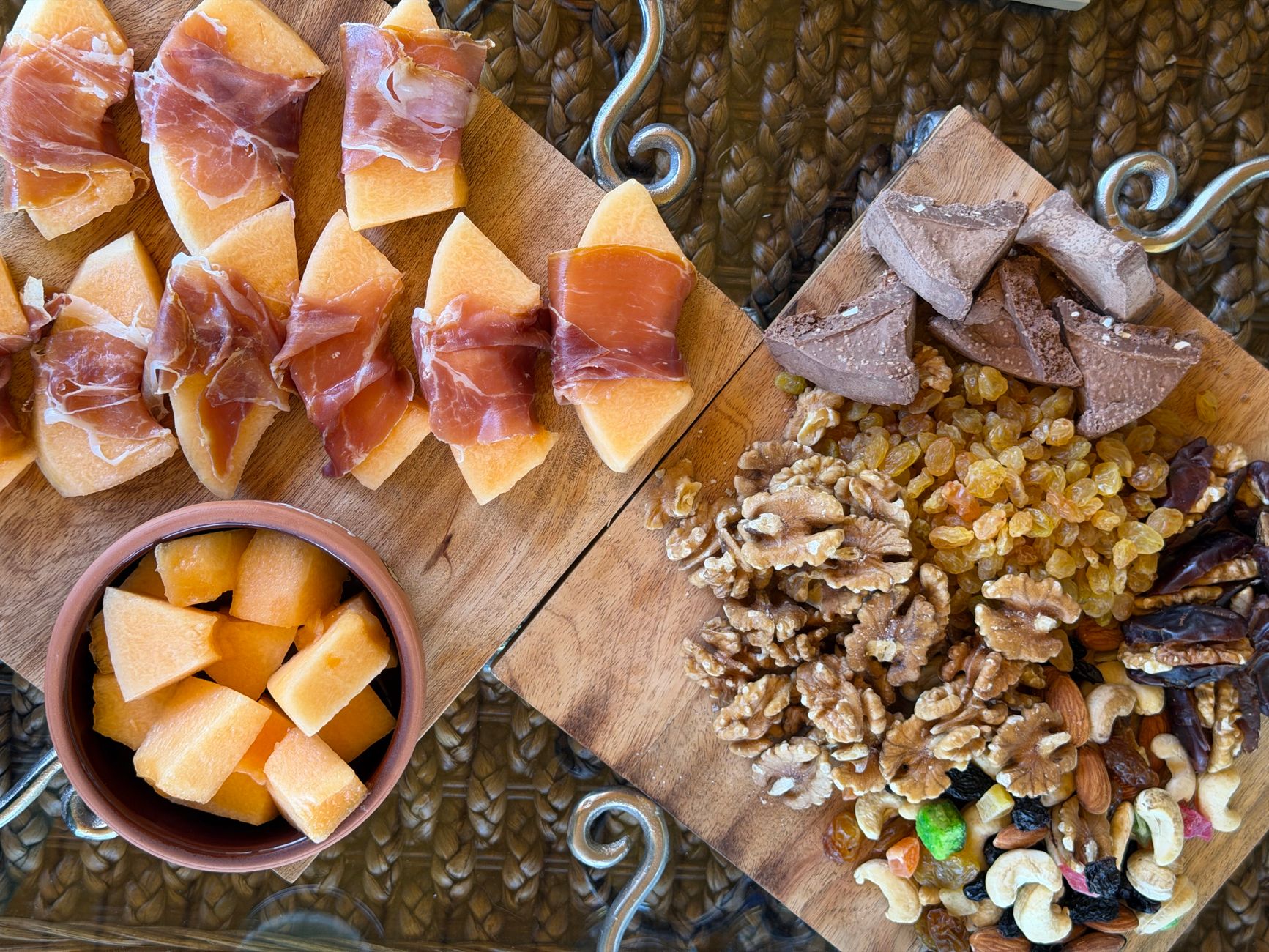
The structural mechanics of girl dinner rely heavily on assembly rather than actual cooking, representing a fundamental shift in how adults approach their evening nutrition. Typical spreads feature a mosaic of ready-to-eat ingredients such as cured meats, dips, nuts, canned fish, fresh vegetables, and single-serve snacks. Nutritionists note that while these meals can be balanced when planned carefully, their primary appeal lies in convenience, cost management, and minimal cleanup.
This shift away from multi-component hot meals reflects broader economic pressures on household food budgets. With inflation affecting both grocery store shelves and restaurant menus, many consumers view these curated snack plates as a practical way to manage costs without sacrificing food quality. Industry observers note that the trend allows individuals to indulge in premium or specialty items, such as artisanal cheeses or imported olives, by purchasing them in small quantities instead of buying ingredients for a full recipe.
The resurgence of this dining trend has not gone unnoticed by major packaged food manufacturers and supermarket chains. Grocery retailers are increasingly merchandising specialty dips, high-end charcuterie, and portioned snacks together in front-of-store displays to capture impulse shoppers seeking quick meal assembly. Specialty food brands have reported increased demand for single-serve packaging and diverse pantry staples that align directly with the aesthetic and convenience of these unstructured meals.
Restaurants and foodservice operators are also adapting their operational strategies to cater to changing consumer expectations. Many casual dining establishments and wine bars have expanded their small plates, tapas, and grazable board offerings to match the demand for lighter, customizable dining experiences. By offering shared platters that mimic the variety of an at-home snack plate, operators are finding success with diners who prefer sampling multiple flavors over ordering a traditional single entree.
Beyond the financial and practical considerations, cultural commentators emphasize the emotional release associated with abandoning formal cooking norms. The social media discourse surrounding these relaxed meals often highlights relief from domestic labor, particularly for solo diners who feel unmotivated to cook elaborate dinners for one. Today.com reports that the trend resonates strongly because it validates casual eating habits that were previously considered lazy or unorthodox.
The digital community surrounding the phenomenon has created a shared space where low-prep meals are celebrated rather than judged. By rebranding simple snack assemblies as deliberate culinary choices, participants find social connection and humor in their daily routines. This psychological reframing has given the trend unexpected longevity compared to other transient internet crazes, establishing it as a recognized modern eating style.
As food manufacturers analyze sales data from recent months, many are altering their product development pipelines to accommodate the grazing lifestyle. Market research firms report sustained growth in categories like prepared dips, specialty crackers, cured meats, and pre-cut produce. Companies are increasingly marketing these products not just as appetizers for entertaining, but as core components of everyday individual meals.
The food intelligence sector views this trend as part of a larger, permanent shift toward flexible, decentralized dining patterns. Traditional meal structures featuring a designated protein, starch, and vegetable are increasingly giving way to personal choices driven by convenience and immediate craving. As consumer preferences continue to shift, both retail brand managers and restaurant operators will need to maintain flexible product strategies to keep pace with the evolving definition of dinner.
For the average consumer, the continued popularity of girl dinner provides validation that quick, assembly-based meals are a completely acceptable way to feed yourself. You can lower your weekly food costs and reduce kitchen cleanup by keeping a diverse stock of nutrient-dense pantry items, dips, and produce on hand for quick assembly.
When dining out or shopping, expect to see more single-serve options, varied snack packs, and expanded small-plate menu choices designed around grazing. Embracing this flexible approach allows you to manage your grocery budget effectively while reducing food waste, as leftover ingredients can easily be recombined into fresh meal plates throughout the week.
Sources and methodology
Reported from the public datasets below.
More from the Foodie Pundit Newsroom
- Grocery Mega-Merger Escalates as Expanded Store Sale Plan Shakes Up Retail Landscape
- Major Complications Emerge in Kroger and Albertsons Store Divestiture Plan
- Beyond Butter Boards: How Digital Tastemakers Are Shaping The Next Wave Of Restaurant And Grocery Demand
- McDonalds Restores Famous McRib Sandwich To Menus With Tactical Value Focus
- Legacy Fast Food Chains Face Wave of Permanent Closures as Real Estate Costs Surge