The Economic Architecture Behind Immersive Aesthetics in Modern Nightlife Venues
San Antonio hospitality operators are leveraging high-end aesthetic design and curated mixology to drive organic marketing and boost evening foot traffic.
By Foodie Pundit Newsroom - Published - Updated - Section: Restaurants
Key points
- Atmospheric interior design acts as a primary marketing tool by driving user-generated content online.
- High-concept lounge buildouts rely on premium beverage programs to justify higher price points and maintain long-term profitability.
- Urban entertainment corridors benefit from destination venues that attract evening foot traffic and support neighboring businesses.
- Maintaining high-end physical decor requires ongoing capital expenditure to prevent visual fatigue and operational wear.
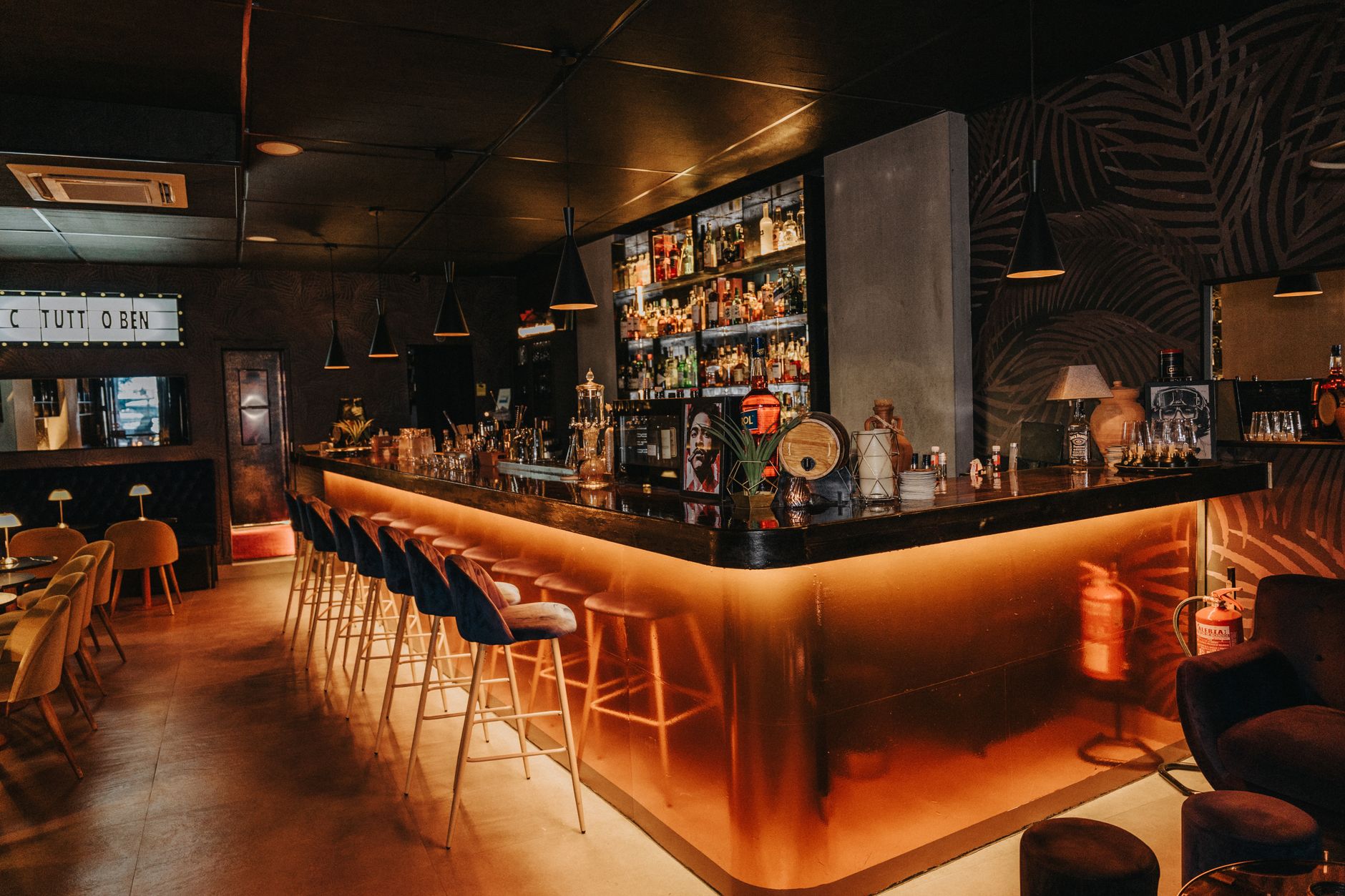
San Antonio is witnessing a notable shift in how new nightlife concepts compete for consumer dollars, placing visual architecture at the center of their operational strategy. A prime example of this trend is the opening of The Pink Room, a lavish cocktail lounge located within the city core. The venue presents an immersive design palette dominated by blush tones, plush velvet seating, and custom lighting installations tailored specifically for social media engagement.
Reporting from MySanAntonio highlights how the establishment seeks to capture the attention of modern consumers through distinct experiential elements. High-end beverage programs are combined with meticulous interior design to create an environment that feels exclusive yet accessible. By emphasizing dramatic decor alongside craft mixology, the lounge aims to establish itself as a dominant player in the regional hospitality landscape.
In the competitive modern lounge sector, atmospheric investments often yield high returns by generating organic user-generated content across online platforms. Operators of venues like The Pink Room treat physical decor as a core marketing engine rather than a mere design choice. Every room is configured to serve as a backdrop for digital photography, effectively converting patrons into brand ambassadors.
This approach reflects a broader strategic pivot within the hospitality industry toward visual-first hospitality models. Restaurant and bar developers now routinely allocate substantial portions of their pre-opening capital budgets to distinctive feature walls, bespoke neon signage, and custom furniture. The goal is to maximize physical dwell time and encourage immediate digital sharing, which in turn drives foot traffic without relying entirely on traditional paid media campaigns.
While visual appeal draws guests through the front door, long-term operational sustainability relies on the quality of the food and beverage offerings. The Pink Room balances its theatrical interior design with a curated menu of specialty cocktails and premium spirits. Drink programs in such establishments are engineered to be visually striking, often featuring unique glassware, vivid colors, and intricate garnishes that complement the physical decor.
Industry analysts note that high-concept beverage programs allow lounges to command premium price points in an environment where consumers expect an elevated experience. By pairing artisanal mixology techniques with a highly stylized environment, the lounge reinforces its position as a destination venue. This dual focus on product quality and sensory delivery helps maintain revenue stability beyond the initial grand opening wave of publicity.
The launch of stylized nightlife venues contributes significantly to the broader economic revitalization of urban dining districts. As city centers work to capture evening entertainment spending, unique concept bars serve as critical anchor destinations that attract out-of-town visitors and local residents alike. The presence of high-profile lounges often generates positive spillovers for neighboring restaurants, transportation services, and retail businesses.
According to regional business coverage by MySanAntonio, local developments indicate strong consumer demand for specialized experiential concepts across Texas metropolitan areas. Hospitality groups are increasingly looking to expand into mid-sized and growing markets where real estate costs allow for expansive, immersive buildouts. The Pink Room represents part of a larger wave of commercial real estate investments aimed at elevating local nightlife corridors to compete with national standards.
The economic target for experiential lounges has expanded rapidly as younger demographic cohorts prioritize lifestyle experiences over physical goods. Venues built around specific aesthetics cater directly to consumers seeking memorable, shareable social outings. This consumer preference has forced traditional bars to rethink their layouts, lighting, and service styles to remain competitive in modern nightlife hubs.
Furthermore, the integration of distinct room concepts allows hospitality groups to test variable price structures and guest capacities. By offering a curated environment, operators can manage door access, host private events, and generate higher average spending per ticket. The business model demonstrates how modern nightlife management relies on blending spatial design with consumer psychology to maximize profitability.
OPERATIONAL CHALLENGES IN HYPER-STYLED VENUES
Despite the immediate appeal of visual concepts, maintaining operational consistency presents ongoing challenges for venue operators. High-traffic interior materials such as velvet upholstery, custom wallpapers, and intricate lighting systems require continuous maintenance to preserve their premium appearance. Wear and tear can quickly degrade the luxury perception if management fails to invest in routine physical upkeep.
Additionally, aesthetic trends in the hospitality industry move rapidly, requiring owners to periodically refresh their spaces to avoid fatigue among local patrons. Successful operators must strike a balance between maintaining their signature look and introducing subtle updates that keep the environment relevant. Long-term profitability requires managing these ongoing maintenance capital expenditures alongside rising labor and beverage product costs.
For hospitality operators and real estate investors, the launch of concepts like The Pink Room underscores the necessity of embedding visual marketing directly into physical venue design. Designing spaces with digital sharing in mind is no longer optional for upscale lounge concepts; it is a foundational business requirement that directly lowers customer acquisition costs.
For consumers, the trend ensures a continuing wave of highly immersive, detailed nightlife choices that prioritize ambiance and craft beverage presentation. While price points at aesthetic-driven venues may sit at the higher end of the regional market, guests can expect a elevated sensory experience that goes well beyond standard neighborhood bar offerings.
Sources and methodology
Reported from the public datasets below.
- Bureau of Labor Statistics (BLS) - Consumer Price Index, food away from home
- U.S. Census Bureau - Monthly Retail Trade, food services
- Bureau of Labor Statistics (BLS) - Consumer Price Index, food away from home
- U.S. Census Bureau - Monthly Retail Trade, food services
- MySanAntonio - The Pink Room is serving major vibes, and you're invited. - Aug 2026
More from the Foodie Pundit Newsroom
- The Unseen Allergy: When 'Picky Eating' Is Actually Crippling Fear
- Corner Real Estate Pivot: Why Aging Gas Stations Are Turning Into High-Volume Drive-Thrus
- Does Your Weekly Meal Kit Actually Save You Anything?
- Bay Area Restaurant Closures Signal Ongoing Economic Strain for Local Dining Spots
- That 'Funky' Smell In Your Cheese? Scientists Just Put A Number On It