The Economics and Chemistry Behind the Perfect Artisanal Croissant
Top pastry chefs share the operational science and thermal discipline required to master butter lamination in high end commercial baking.
By Foodie Pundit Newsroom - Published - Section: Desserts Snacks
Key points
- High fat butter containing at least eighty two percent milkfat is critical to maintain structural lamination without melting.
- Temperature control between fourteen and sixteen degrees Celsius prevents butter from shattering or smearing into dough layers.
- Proofing environments must stay strictly below twenty nine degrees Celsius to prevent butter leakage before thermal setting occurs.
Commercial bakeries operate on razor thin margins where time and temperature control dictate profit. A single batch of classic butter croissants requires up to three days of production time. For independent retail bakeries, labor and ingredients like high fat European butter represent the largest overhead expenses. Understanding the mechanical chemistry behind these pastries helps professional operators optimize yield and minimize waste, according to industry reporting by the Evening Standard.
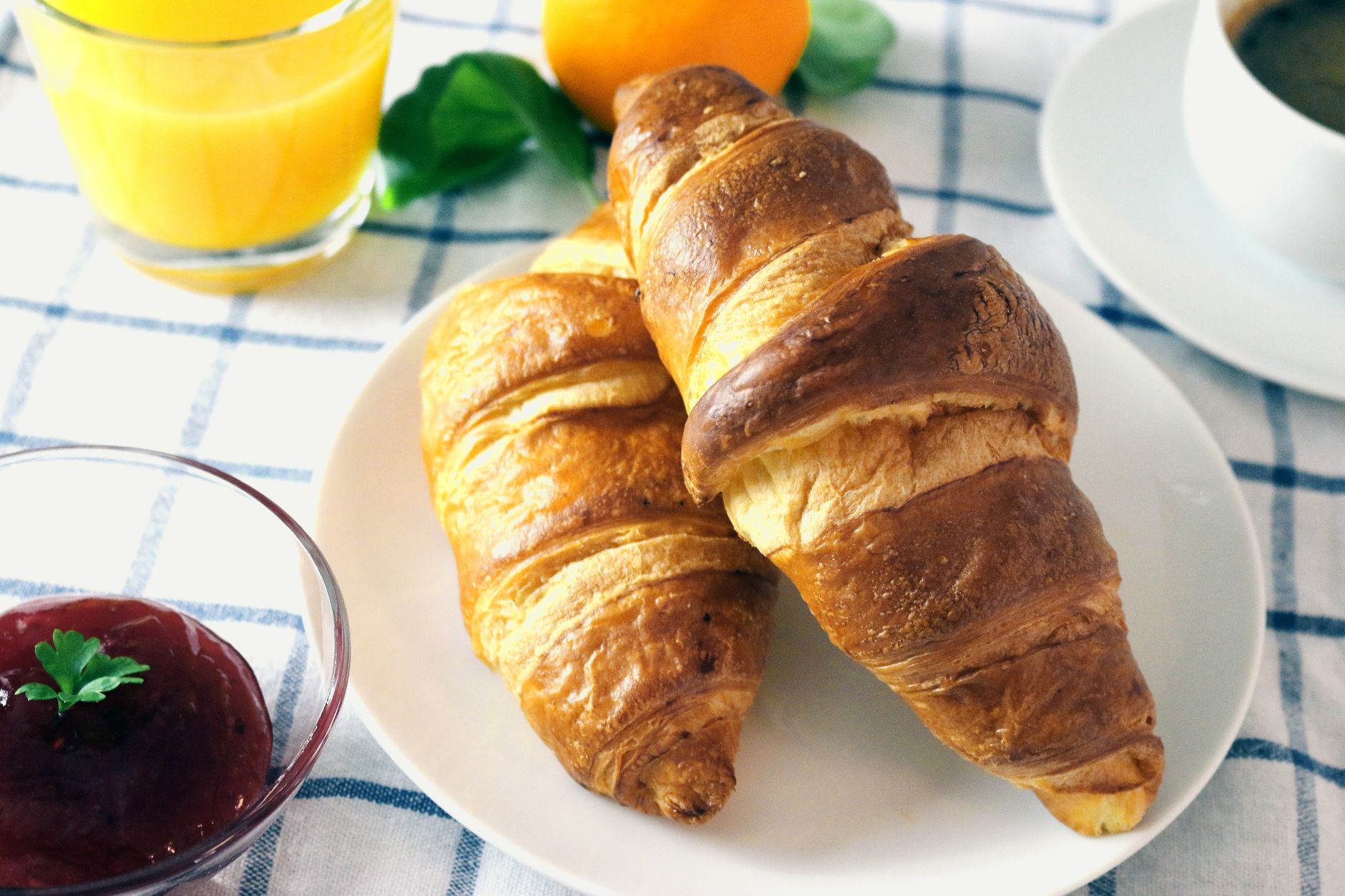
The fundamental challenge in laminated dough production lies in maintaining the delicate structural balance between fat and flour. When butter is rolled into dough through a series of precise folds, it creates hundreds of alternating layers. During baking, water within the butter converts to steam, expanding and pushing the dough layers apart before evaporating. This steam expansion creates the signature open honeycomb interior, known in the industry as the alveolage, while leaving behind thin, crispy leaves of baked pastry.
Professional pastry chefs place immense focus on flour specifications before beginning any mix. The protein content must sit precisely between eleven and twelve percent to provide sufficient gluten structure without becoming excessively elastic. High protein bread flour yields a tough, chewy pastry, while low protein cake flour lacks the strength required to trap expanding steam. Bakers often blend standard unbleached all purpose flour with a small percentage of bread flour to achieve the ideal tensile strength.
Dough hydration requires equal precision during the initial mixing phase. Excess water weakens the gluten network and creates an overly sticky dough that absorbs butter during lamination, destroying distinct layers. Conversely, under hydrated dough resists rolling and causes the butter sheet to fracture under pressure. Skilled bakers maintain a flour to liquid ratio that keeps the dough extensible yet firm enough to match the plastic density of cold butter.
Not all butter performs equally under the rolling pin. Commercial croissant production relies heavily on dry butter, or beurre de tourage, which contains a minimum of eighty two to eighty four percent milkfat. Standard supermarket butter in North America contains roughly eighty percent fat and twenty percent water, making it far too soft and prone to melting at room temperature. Higher fat content raises the melting point slightly, granting bakers a wider thermal window during lamination.
Temperature control functions as the primary operational variable in wholesale and retail bakeries. The ideal working temperature for lamination butter rests between fourteen and sixteen degrees Celsius. If the butter drops below this threshold, it snaps into cold shards that pierce the dough during folding. If the butter exceeds eighteen degrees Celsius, it softens, smears into the flour, and turns the laminated structure into a solid, heavy brioche dough.
The physical lamination process relies on disciplined geometry rather than excessive handling. Professional standard procedures call for either three single folds, known as letter folds, or one double fold combined with one single fold. Over folding creates micro layers so thin that the butter dissolves directly into the flour matrix, resulting in a dense crumb structure. Under folding leaves thick layers of butter that melt out onto the baking sheet, leaving behind oily bottoms and reduced volume.
Shaping requires deliberate physical control to preserve layer integrity. Bakers slice rolled dough sheets into elongated triangles using extremely sharp wheel cutters, taking care not to pinch the raw edges closed. When rolling the triangle from base to tip, applying gentle, consistent tension ensures proper expansion during the final proofing cycle. Stretching the dough excessively breaks the outer skin, allowing trapped steam to escape prematurely in the oven.
Proofing represents the final critical control point where yeast activity and butter stability intersect. The ideal proofing environment operates between twenty six and twenty eight degrees Celsius with eighty percent relative humidity. Allowing the ambient temperature to rise above twenty nine degrees Celsius causes the delicate butter layers to melt out of the raw pastry prior to baking. Under proofed croissants lack necessary gas pockets, while over proofed dough collapses under its own weight inside the hot oven.
Thermal transfer inside the deck or convection oven converts steam into volume within the first five minutes of baking. High initial heat, set near two hundred degrees Celsius, rapidly sets the exterior gluten matrix before the internal butter can fully pool at the base. Lowering the heat slightly during the second half of the bake allows deep caramelization via the Maillard reaction without scorching the outer delicate fins. Proper airflow ensures heat distributes evenly across every tray.
For retail bakery operators and home enthusiasts alike, mastering laminated pastry is a study in thermal discipline. Success depends far less on specialized equipment and far more on strict control over ingredient temperatures and dough manipulation. By selecting high fat European style butter, maintaining cool working environments, and respecting precise proofing parameters, bakers can consistently achieve professional volume and texture while reducing costly ingredient waste.
More from the Foodie Pundit Newsroom
- General Mills Reports Strong Quarterly Earnings Driven By Cereal and Snack Portfolio Momentum
- Minimalist Cooking Trends Drive Massive Interest In Simple Two Ingredient Desserts
- The Science of the Perfect Croissant: Pro Bakers Reveal Key Lamination Secrets
- Summer Dessert Trends Shift Toward Complex Textures and Botanical Flavors
- The Culinary Science Behind Pairing Miso and Dark Chocolate in Modern Pastry