The Economics of Viral Pastries: How Bakeries Turn Visual Design Into Premium Margins
High-end bakeries are redesigning pastry production around texture, structural design, and visual appeal to command premium prices.
By Foodie Pundit Newsroom - Published - Updated - Section: Desserts Snacks
Key points
- Bakeries are engineering products specifically for high visual contrast and acoustic texture to drive social engagement.
- Limited daily production runs allow operators to lower ingredient waste while creating consumer urgency and high ticket averages.
- Global flavor profiles incorporating savory and botanical elements are replacing traditional single-note sweet profiles.
- Experiential dessert shops are emerging as valuable anchor tenants for commercial real estate developments.
The commercial baking sector is witnessing an unprecedented convergence of aesthetic design, sensory engineering, and social media virality. Recent reporting from Bake Magazine highlights how modern patisseries are moving past traditional flavor profiles to focus on multi-sensory experiences. Bakeries are transforming routine pastry production into high-margin culinary entertainment aimed squarely at digital consumers.
This transformation represents a structural shift in how retail food concepts operate. High-end bakeries are no longer competing strictly on taste or neighborhood tradition. Instead, they are engineering products that prioritize dramatic visual appeal, contrasting textures, and interactive elements designed specifically for mobile video feeds.
THE DRIVERS OF VISUAL DESSERT ENGINEERING
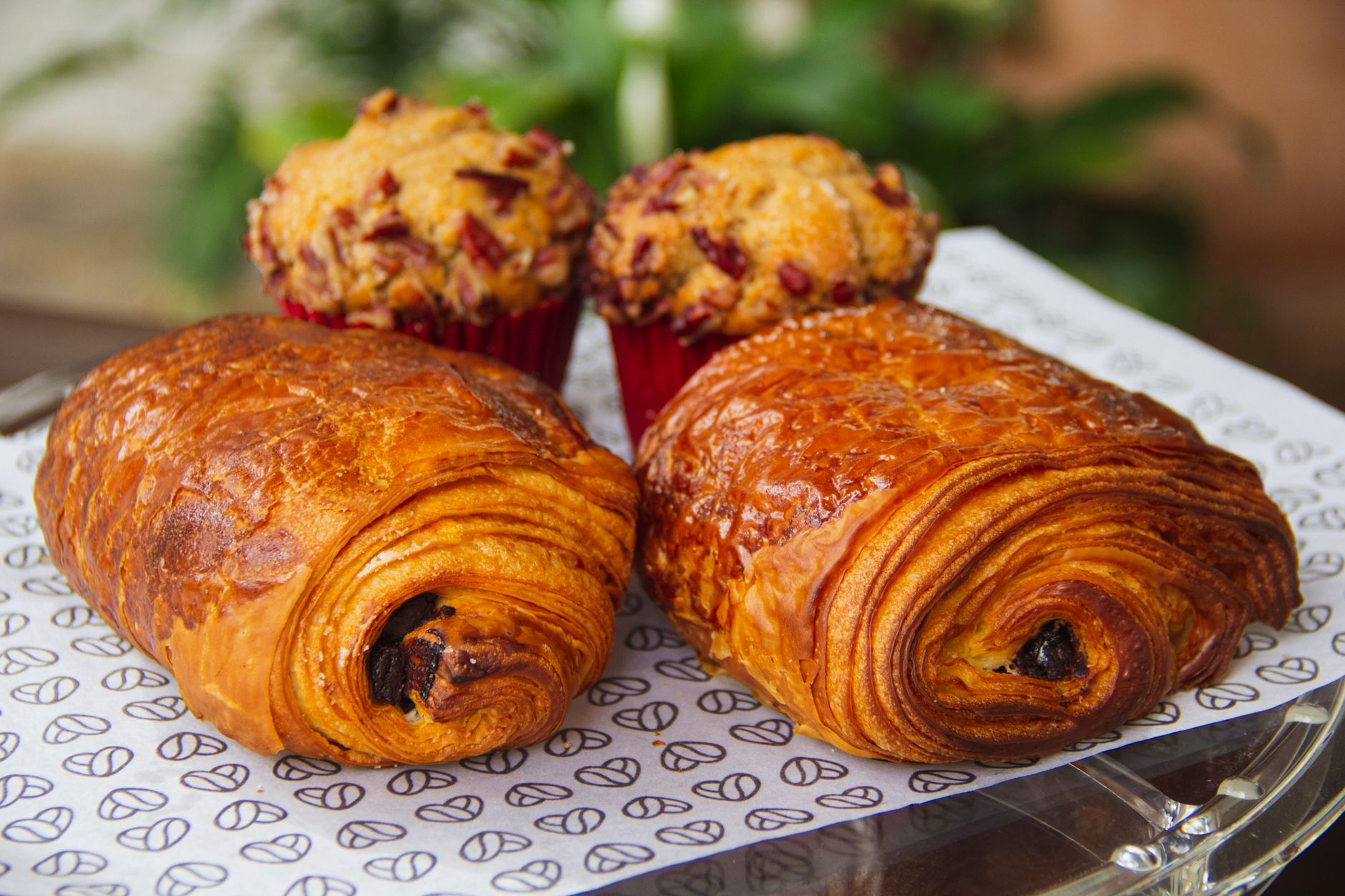
The current wave of viral pastry creation relies heavily on deliberate structural choices. Modern pastry chefs are manipulating traditional laminated doughs, choux pastries, and chocolate glazes to create hyper-stylized forms. These items are built to retain their structural integrity under studio lighting while delivering a striking cross-sectional view when sliced open on camera.
According to industry analyses published by Bake Magazine, the visual appeal of a dessert now directly influences its perceived value and pricing power. Venues that feature highly photographable signature items can command premium prices that far exceed standard retail bakery margins. Consumers treat these purchasing decisions as part entertainment expense and part food consumption, which softens price sensitivity in major urban markets.
Texture is playing an equally critical role in driving customer engagement. Modern formulations routinely pair extreme crunch with ultra-smooth fillings, such as liquid-center pralines encased in heavily caramelized croissant shells. This contrast creates a distinct audible element, often referred to in digital spaces as food acoustics, which translates exceptionally well to short-form video platforms.
FLAVOR INNOVATION AND INGREDIENT SOURCING
While aesthetics attract the initial purchase, repeated visits require sophisticated flavor development. Commercial bakers are moving away from overly sweet, single-note profiles in favor of complex taste combinations. Popular formulations incorporate sour fruit reductions, bitter botanical infusions, and high-percentage single-origin chocolates to balance rich, buttery dough bases.
Global ingredient influences are also reshaping product development across North America and Europe. Savory elements like toasted sesame, miso, salted egg yolk, and fermented botanical syrups are increasingly common in premium sweet goods. These additions reduce cloying sweetness, allowing operators to position their offerings as sophisticated culinary items rather than simple indulGences.
Sourcing high-performing functional ingredients has become a primary operational priority for wholesale and retail bakers. Stabilized creams, low-moisture butter blocks, and specialized glazes are essential for maintaining appearance over extended display periods. Operators must ensure that a pastry purchased late in the afternoon performs identically to one fresh from the morning bake cycle.
Producing complex, visually driven pastries presents significant operational challenges for retail bakeries. Lamination processes require precise temperature control, specialized equipment, and intensive skilled labor. To manage these overhead costs, many operators are adopting a limited-run model where specific signature items are produced in restricted daily quantities.
This scarcity model serves a dual purpose for modern food businesses. From a financial perspective, it caps ingredient waste and allows kitchens to optimize labor schedules around precise production windows. From a marketing perspective, it creates natural urgency among consumers, resulting in early morning lines and immediate inventory turnover.
However, scaling these artisan operations remains difficult. The labor-intensive nature of hand-formed laminated doughs and delicate piping work creates strict ceiling limits on daily volume. As a result, bakeries are increasingly leveraging specialized processing equipment, such as automated dough sheeters and climate-controlled proofing chambers, to maintain consistent output without increasing labor headcount.
The rise of destinations focused on viral desserts is altering retail real estate strategies within the foodservice industry. Traditional bakeries relied heavily on high-foot-traffic morning commute routes to drive volume sales of coffee and basic breakfast goods. Modern experiential bakeries function as destination venues, drawing dedicated traffic regardless of traditional dayparts.
Landlords and commercial real estate developers are taking notice of this shift. High-profile pastry concepts are increasingly being recruited as anchor tenants for boutique retail developments and urban food halls. These operators generate strong foot traffic, social media exposure, and elevated per-ticket averages, making them ideal tenants for modern commercial spaces.
Furthermore, the average ticket size at these specialized establishments significantly outpaces traditional bakery metrics. Customers routinely pair a high-concept pastry priced between eight and fifteen dollars with a specialty beverage, driving average transaction values to levels historically reserved for casual sit-down dining concepts.
For everyday consumers, this shift means that premium desserts will continue to evolve into highly theatrical, higher-priced experiences. While basic bakery staples remain available, high-end pastry shops will increasingly focus on limited-edition, visual signature items that demand higher retail prices. Consumers should expect to pay a premium for items that incorporate specialty ingredients, labor-intensive textures, and unique visual designs.
For restaurant operators and food entrepreneurs, the lesson lies in the value of signature item differentiation. You do not need to overhaul your entire menu to capture market attention. Introducing a single, highly refined signature item with exceptional texture and visual contrast can elevate brand awareness, drive social engagement, and establish strong pricing power across your operational model.
Sources and methodology
Reported from the public datasets below.
More from the Foodie Pundit Newsroom
- Punta Cana Restaurant Poised to Introduce Authentic Dominican Cuisine to Jacksonville
- Ancient Indonesian Tuber Surges in Popularity as Global Social Media Craze Drives Wholesale Import Demand
- Global Dessert Market Accelerates as Operators Capitalize on Premiumization and Global Flavors
- The Economic Rise Of Girl Dinner: How Grazing Boards Are Reshaping Grocery And Restaurant Strategy
- New Restaurant Announced for Former Motel 6 Site in Florida