The Financial and Cultural Shift Behind the Girl Dinner Trend
The viral social media phenomenon has evolved into a permanent shift in how consumers assemble late-night meals and stretch their grocery budgets.
By Foodie Pundit Newsroom - Published - Updated - Section: Grocery Cpg
Key points
- The viral trend created a permanent shift toward snack-plate dining, driven by single-person households and convenience.
- Grocery retailers and restaurants are profiting by promoting tinned fish, specialty cheeses, and small-plate menu options.
- Assembly-style eating offers consumers an affordable luxury during periods of high food inflation.
- The movement reflects broader cultural permission to abandon rigid, traditional meal structures.
When social media creator Olivia Maher posted a brief video in May 2023 showcasing a plate of grapes, gherkins, butter, and bread, she gave a name to a chaotic eating style that had long existed in secret. Calling her impromptu spread a girl dinner, the concept went viral within days, spawning millions of video views, pop music audio tracks, and endless variations. What initially seemed like a fleeting internet meme has proven to be a lasting shift in how modern consumers construct late-night meals, organize their pantries, and spend their grocery budgets.
According to reporting from NBC News, the phenomenon captured a collective desire for low-effort, high-reward eating that bypasses traditional cooking completely. Rather than spending an hour standing over a stove after a grueling workday, individuals opt for an assemblage of pantry staples, charcuterie leftovers, fresh fruit, and packaged snacks eaten directly off a cutting board or decorative plate. The trend validation provided permission to forgo balanced, multi-course culinary preparation in favor of sensory satisfaction and pure convenience.
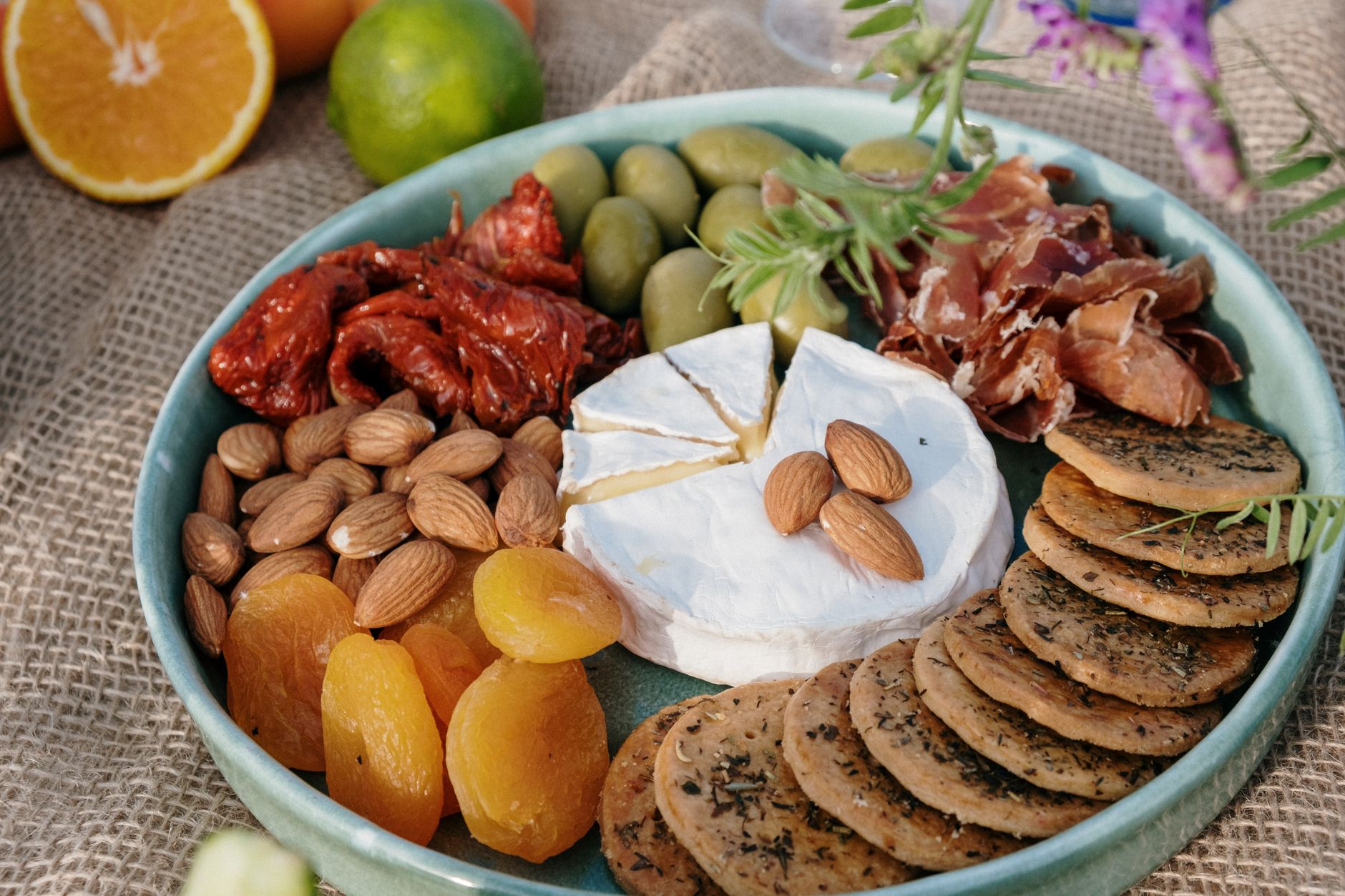
At its core, the girl dinner operates on a framework of assembly rather than preparation. A typical serving features a mix of textures and flavors, balancing salty items like olives, prosciutto, and sharp cheeses with sweet elements like berries, jams, and chocolate. Salty snacks such as potato chips, pretzels, and crackers often serve as the carbohydrates, while canned fish, hard-boiled eggs, or leftover deli meats provide fast protein. The resulting plate feels indulgent yet requires zero knife skills, heat source, or synchronized timing.
This approach to eating reflects broader changes in modern living conditions, particularly among younger demographics. Single-person households have increased steadily across major metropolitan centers, making traditional batch cooking less economical and often wasteful for individuals living alone. When cooking for one, the labor required to prepare a complex meal often outweighs the enjoyment of eating it, leading consumers toward modular, snack-based dining options that minimize clean-up time and post-work stress.
The rapid rise of snack-plate dining did not escape the attention of major food brands and restaurant operators. National grocery chains quickly capitalized on the viral moment by creating dedicated endcap displays featuring premium tinned fish, artisan crackers, imported cheeses, and specialty pickles. Packaging sizes have also shifted, with suppliers leaning into single-serve charcuterie packs and small-portion condiments tailored specifically for assembly-style eating.
Hospitality businesses have similarly integrated the concept into their operational strategies. Upscale wine bars, cocktail lounges, and neighborhood bistros have expanded their small-plates and snack menus, recognizing that patrons increasingly prefer to graze rather than commit to standard appetizer and entree progressions. By offering curated selections of tinned seafood, whipped butter, crusty sourdough, and marcona almonds, venue operators can generate high profit margins while maintaining minimal kitchen overhead and quick ticket times.
THE PSYCHOLOGY OF PERMISSION AND SNACKING
Beyond the practical conveniences, food psychologists note that the girl dinner movement addresses a profound shift in consumer attitudes toward food rules and nutritional guilt. For decades, marketing campaigns and public health initiatives promoted structured meals centered on strict proportions of proteins, grains, and vegetables. The viral trend reframed unstructured eating from a guilty secret into a celebrated, aesthetic lifestyle choice that prioritizes personal pleasure over rigid dietary norms.
This cultural permission slip has accelerated the general financial growth of the global snack food sector. Market analysts note that traditional boundaries between meals and snacks have eroded significantly over the past three years. Breakfast, lunch, and dinner are increasingly replaced by four or five smaller feeding occasions throughout the day, driven by remote work routines and flexible lifestyle schedules. The snack plate represents the logical evolution of this cultural transition.
The persistence of this movement has created unique supply chain demands within the specialty food sector. Importers of premium tinned seafood, particularly Spanish and Portuguese sardines and mackerel, reported unprecedented sales spikes following the initial trend launch. Specialty pickle manufacturers and boutique preserve makers have likewise seen sustained demand increases as consumers seek high-end pantry accents to elevate their home displays.
At the same time, the trend highlights consumer resilience in the face of persistent food inflation. As restaurant menu prices remain elevated and grocery bills stay high, assembling a high-end snack plate at home functions as an affordable luxury. Purchasing a premium ten-dollar tin of smoked fish and a five-dollar wedge of brie allows consumers to enjoy a sophisticated culinary experience at a fraction of the cost of dining out at a full-service restaurant.
For the average consumer, the longevity of the girl dinner trend offers practical validation for low-stress eating. You do not need to feel obligated to cook a complex, heat-intensive meal every night of the week to maintain a satisfying diet. Stacking your pantry with high-quality shelf-stable items like tinned seafood, olives, fancy crackers, and preserves allows you to create effortless, enjoyable meals without wasting money on forgotten produce that rots in the refrigerator.
From a financial perspective, embracing assembly-style meals can significantly lower your weekly food expenditures. By treating premium snacks as primary meal components, you can indulge in high-quality ingredients while controlling portion sizes and reducing food waste. Restaurant diners can also take advantage of this shift by building meals out of bar snacks and small plates, allowing for a more flexible, customized, and budget-friendly night out.
Sources and methodology
Reported from the public datasets below.
More from the Foodie Pundit Newsroom
- Chick-fil-a's orlando playbook hits denver's dining scene hard
- Josh cellars exec's emails to wife could cost him $4 million
- San Francisco, CA, your plates are pricier but not quite as bad as the national rise
- Master chefs spill croissant secrets, butter fat is key
- Your body has a secret healing signal, and it works naturally