The Girl Dinner Trend Evolves Into a Lasting Shift for Retailers and Restaurants
Social media grazing trends are proving to be a durable economic force reshaping supermarket shelves and restaurant menus.
By Foodie Pundit Newsroom - Published - Section: Grocery Cpg
Key points
- The social media phenomenon known as girl dinner has transitioned from a viral trend to a permanent consumer eating habit.
- Rising restaurant costs and grocery inflation are driving consumers toward low-effort, snack-based meal options.
- Grocers and packaged food companies are reallocating shelf space toward adult snack packs, specialty dips, and shelf-stable proteins.
- Casual dining operators are using small plates and charcuterie offerings to reduce kitchen labor costs and improve food margins.
The casual dining sector and packaged food brands are adjusting to a lasting shift in consumer dining habits. What began as a viral social media trend known as girl dinner has evolved into a stable economic behavior that is reshaping supermarket inventory and casual dining menus. Recent reporting by TODAY.
com highlights how the practice of assembling low-effort, snack-based meals shows no signs of slowing down. For food service operators and grocery retailers, this phenomenon represents a fundamental change in how younger demographics manage meal preparation and discretionary spending.
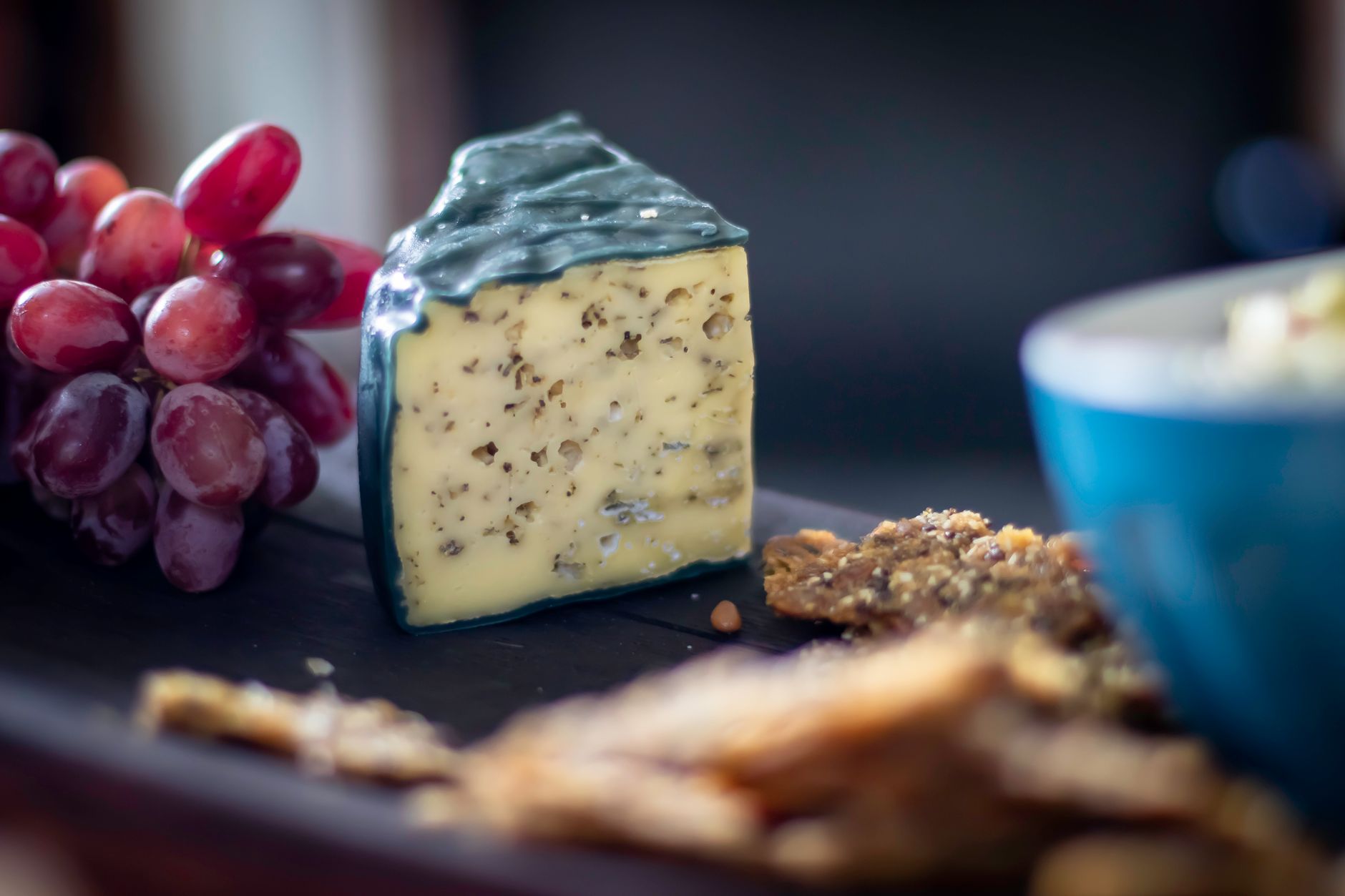
The term originally gained traction online to describe chaotic, non-traditional spreads eaten directly from cutting boards or mismatched plates. A typical meal might include a handful of olives, half a tin of smoked fish, a scoop of hummus, leftover cheese, and a handful of crackers. While critics initially dismissed the trend as a passing fad, market data and persistent social engagement indicate it reflects deeper economic and lifestyle adjustments. Consumers facing high inflation and busy work schedules are actively rejecting the conventional model of preparing a formal protein, starch, and vegetable meal every evening.
ECONOMIC DRIVERS BEHIND SNACK-BASED MEAL PREPARATION
Rising grocery prices and elevated menu costs at traditional sit-down restaurants have altered household food budgets over the last two years. As food away from home costs remain historically high, younger consumers are seeking ways to reduce waste and stretch ingredients without sacrificing variety. Assembling small portions of shelf-stable and artisanal items allows households to simulate a grazing experience without paying a restaurant premium. This behavior provides financial relief while fulfilling a desire for premium flavors and specialty items.
The supply chain for these grazing meals relies heavily on specialty grocery products, deli meats, preserved seafood, and premium condiments. Retailing reporting analyzed by TODAY. com shows sustained demand for single-serve cheeses, specialty dips, and curated charcuterie accessories.
Grocers have noticed that shoppers are increasingly willing to pay a premium per ounce for high-end snacks if those items substitute for an entire cooked meal. The lower total cost of the trip, combined with zero cooking time, creates a compelling value proposition for single-person households and dual-income homes with limited prep time.
Restaurant operators are paying close attention to these changing habits. Traditional three-course dining models are facing margin pressure as guests cut back on entrees and high-priced proteins. In response, casual dining brands and neighborhood bistros are expanding their small-plate offerings, shared boards, and customizable appetizer menus. By offering curated selections of local cheeses, cured meats, and artisanal spreads, operators can capture revenue from diners seeking a light, social meal experience that mirror what they consume at home.
This shift in consumer behavior also impacts restaurant labor costs and kitchen throughput. Assembling charcuterie boards, mezze platters, and cold tapas requires significantly less line cook labor than executing complex hot entrees. Kitchens can streamline peak service times by preparing cold prep stations dedicated to snack-style platters. Furthermore, these menu items often carry favorable food cost margins, helping operators offset rising costs for wholesale commodities like fresh meat and poultry.
IMPACT ON REFRIGERATED AND SHELF-STABLE PACKAGING
Consumer packaged goods manufacturers are rapidly shifting their product lines to capture this market segment. Major food conglomerates are investing in pre-packaged snack packs, miniature cheese wheels, single-serve canned fish, and portion-controlled dip cups. Marketing campaigns that once targeted children lunchboxes are being reimagined for adult consumers seeking quick, elevated options for evening dining. Packaging innovation is now centered around visual appeal and portability, encouraging consumers to display their spreads on social media platforms.
The digital component of this trend remains a powerful engine for product discovery. Social media creators continue to generate high engagement by showcasing creative, visually appealing grazing spreads. Retail brands that secure a spot in these viral posts often see immediate spikes in regional sales, prompt grocery buyers to reallocate shelf space toward specialty items. This feedback loop between digital content and retail purchasing ensures that snack-based dining remains at the forefront of contemporary food culture.
NUTRITIONAL CONSIDERATIONS AND INDUSTRY OUTLOOK
While the popularity of low-effort grazing meals continues to rise, dietitians and food scientists note that nutritional balance varies widely across different presentations. High sodium content in processed meats and pickled vegetables, combined with a lack of fresh produce, can be a potential drawback for consumers relying exclusively on these spreads. However, the versatility of the trend allows individuals to easily incorporate fresh berries, sliced raw vegetables, and whole grains, making it an adaptable framework for home dining.
Looking ahead, industry analysts project that the economic incentives driving this trend will persist through the coming fiscal quarters. As working professionals balance hybrid schedules, high living costs, and digital media consumption, the demand for effortless, customizable dining solutions will remain robust. Restaurant chains that embrace flexible appetizer menus and grocers that optimize their perimeter aisles for quick snack assembly are best positioned to capture market share from this enduring consumer preference.
If you are trying to stretch your household food budget, building meals around specialty snacks, tinned fish, and produce can reduce food waste and cut total weekly spending compared to traditional recipe cooking. You can expect to see more pre-assembled charcuterie packs, expanded dip sections, and higher quality single-serve options in your local grocery store cold cases. When dining out, look for an increasing number of small-plate menu options that allow you to customize a light meal without committing to an expensive traditional entree.
Sources and methodology
Reported from the public datasets below.
More from the Foodie Pundit Newsroom
- Supermarket Wage Updates Highlight Ongoing Economic Tension Between Retail Pay and Food Inflation
- Kroger Raises Hourly Store Wages as Frontline Workers Face Persistent Living Costs
- Kroger Raises Employee Pay Rates as Living Costs Pressure Frontline Grocery Workers
- Kroger Adjusts Store Pay Rates as Front-Line Personnel Face High Grocery Costs
- Kroger Raises Worker Pay to Help Front-Line Staff Fight Food Inflation