The Great English Hangover Cure: Can a Fry-Up Really Fix a Night of Drinking?
A deep dive into the biochemistry, economics, and cultural mythology of the full English breakfast reveals why millions still turn to this greasy plate to
By Foodie Pundit Newsroom - Published - Updated - Section: Restaurants
Key points
- The full English breakfast combats hangover symptoms through a combination of biochemistry and psychology, not by "soaking up" alcohol.
- Key components like eggs provide the amino acid cysteine, which helps break down alcohol's toxic byproducts, while carbohydrates from toast and beans restore low blood sugar.
- The high fat and salt content helps replenish energy stores and lost electrolytes, but can also irritate the stomach in some individuals.
- Hydration is crucial; the breakfast is most effective when paired with water or tea to combat alcohol-induced dehydration.
- While not a magical cure, its combination of protein, fats, carbs, and essential nutrients makes it a highly effective and culturally ingrained recovery meal.
In the pale light of morning, after a night of spirited indulgence, a familiar quartet of maladies often arrives unwelcome: a throbbing head, a sensitive stomach, a pervasive sense of fatigue, and a shadow of regret. In the United Kingdom and across the globe, a fabled antidote has been passed down through generations, not in a bottle from a pharmacy, but on a large, warm plate. This remedy is the full English breakfast, though its restorative powers are now arriving with a higher price tag.
The latest federal data shows that eggs, a cornerstone of the fry-up, have spiked to an eyewatering $2.14 per dozen, a 16.9% increase from just last month and a staggering 40.8% jump year-over-year. And bacon, another essential component, has seen its price climb to an average of $6.97 per pound, nearly 6% higher than a year ago.
Indeed, the market forces impacting our breakfast staples make the question of whether a fry-up can truly cure a hangover more urgent than ever. While Express. co.
uk once championed "Your Ultimate Hangover Cure: The Full English," that article is no longer accessible. In its absence, a comprehensive analysis is required to fill the void for those seeking solace in a fry-up. Is this iconic meal truly a cure, a comforting myth, or something in between, especially as its constituent parts become increasingly dear?
An examination of the dish’s components, its effect on our biology, and its place in the culture of food reveals a complex and fascinating answer, now intertwined with the economics of our breakfast plates.
This is not just a meal; it is a ritual of recovery, a plate laden with history and biochemistry, representing a delicious collision of tradition and necessity. For many, it is the first, and most important, step on the road back to normalcy.
To understand its power, one must first understand its parts. The full English breakfast, often simply called a "fry-up," is not a monolithic entity. It is a constellation of ingredients, each with its own history and purpose, coalescing into a hearty, cohesive whole. While regional variations abound, a canonical version is widely recognized.
At its heart are proteins. Sausages are non-negotiable, with preferences varying from the peppery, coiled Cumberland to the herby, straightforward Lincolnshire link. These are products with deep regional roots, and their quality can define the entire breakfast experience. The British sausage market alone is valued at well over one billion pounds annually, a testament to its central role on the nation’s tables.
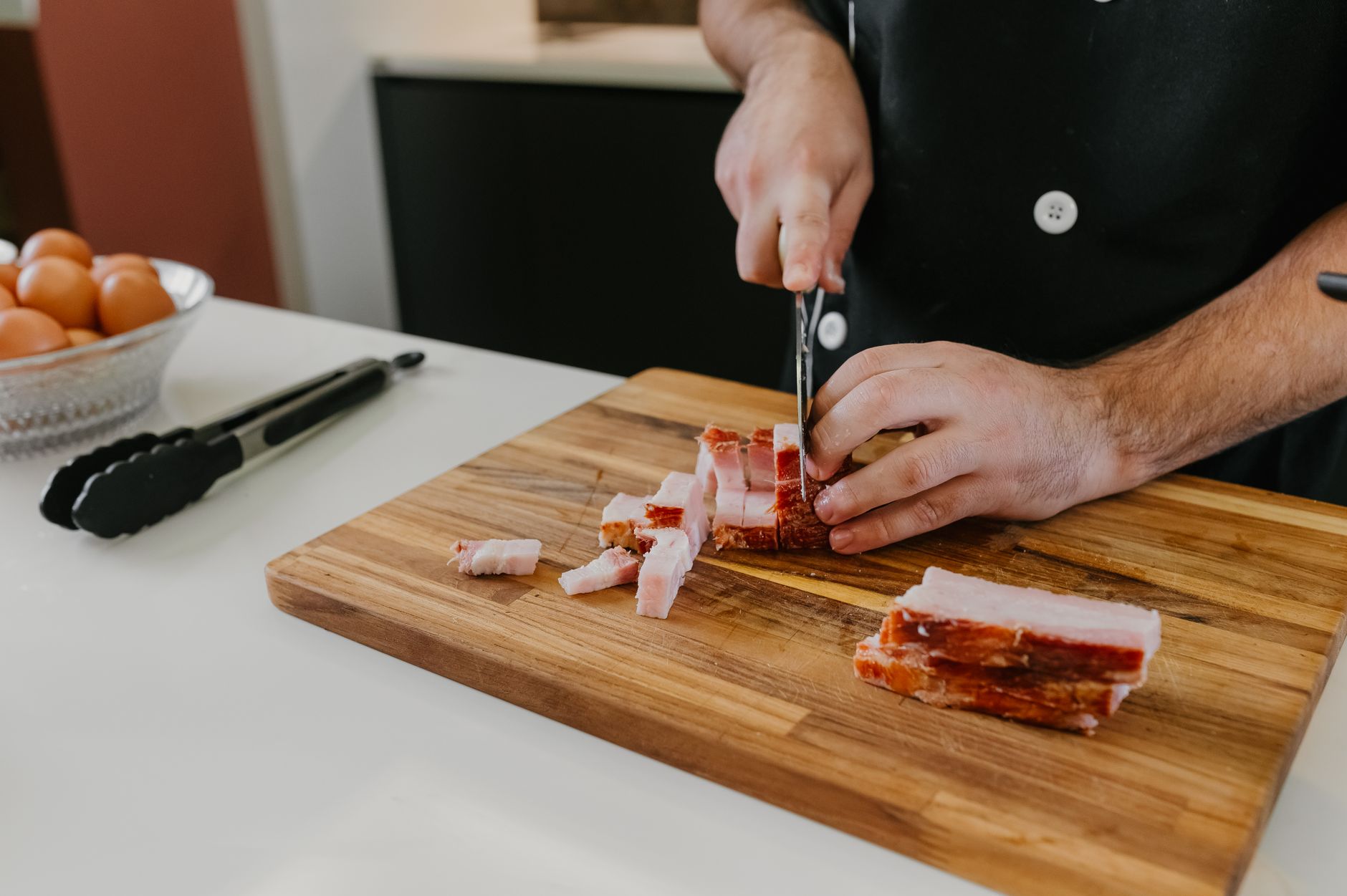
Alongside the sausage lies bacon. Typically, this is back bacon, which includes both the loin and a bit of the belly, offering a meatier, less fatty cut than the streaky bacon more common in the United States. It is fried or grilled until the fat is crisp and the meat is tender, its salty character a key feature of the meal.
Eggs are the next essential component, and their preparation is a matter of personal preference. Fried eggs with runny yolks are classic, perfect for dipping toast into. Scrambled and poached eggs are also common, offering a lighter, less greasy alternative. The humble egg is a powerhouse of nutrition, and its inclusion is foundational to the breakfast’s restorative claims.
Vegetables play a crucial supporting role. Grilled or fried tomatoes, often halved and cooked until soft, provide a touch of acidity and sweetness to cut through the richness of the meats. Sautéed mushrooms, usually simple button mushrooms fried in butter, add an earthy, savory flavor and a tender texture.
And then there are the baked beans, a non-negotiable for most, their sweet and savory tomato sauce adding a unique dimension to the plate. The inclusion of beans is a relatively modern, 20th-century addition, but one that has become utterly synonymous with the dish.
Perhaps the most debated component is black pudding. This blood sausage, made from pork blood, fat, and oatmeal or barley, is a delicacy with ancient origins. Its intense, savory, and slightly metallic flavor is not for everyone, but for its devotees, a full English is incomplete without a slice or two, pan-fried until its exterior is crisp.
Finally, carbohydrates provide the foundation. Slices of toast, often made from simple white bread and served with butter, are essential for mopping up egg yolk and bean sauce. In some establishments, a slice of bread is fried directly in the pan with the other ingredients, soaking up the flavorful fats to become a crisp, indulgent treat known as fried bread.
A BIOCHEMICAL BATTLEGROUND: THE HANGOVER EXPLAINED
Before assessing the breakfast’s efficacy, it is vital to understand the ailment it purports to treat. A hangover is not a single symptom, but a complex constellation of physiological and psychological effects that occur after heavy alcohol consumption. Its severity is influenced by numerous factors, including the amount and type of alcohol consumed, genetics, and overall health.
Alcohol is a diuretic, meaning it causes the body to lose more fluid than it takes in, leading to dehydration. This is a primary cause of many classic hangover symptoms, including headache, thirst, and dizziness. Alcohol also triggers an inflammatory response from the immune system, which can contribute to a general feeling of malaise and an inability to concentrate.
Furthermore, the process of metabolizing alcohol creates a toxic compound called acetaldehyde. When consumption is high, the body cannot process acetaldehyde quickly enough, allowing it to build up in the system. This compound is significantly more toxic than alcohol itself and is a major contributor to nausea and headaches.
Alcohol consumption directly irritates the lining of the stomach and intestines. This increases the production of stomach acid and can lead to nausea, vomiting, and stomach pain. It also disrupts sleep.
While a few drinks can make you feel drowsy and fall asleep faster, it significantly interferes with the quality of that sleep, particularly the REM stage. This sleep disruption is a major factor in the fatigue and irritability associated with hangovers.
Finally, alcohol can affect the body’s regulation of blood sugar. It can inhibit the production of glucose, leading to low blood sugar levels, or hypoglycemia. This can cause feelings of weakness, fatigue, and shakiness. Any effective hangover remedy must, therefore, address this wide array of symptoms.
Examining the full English through the lens of biochemistry reveals that its reputation as a hangover cure is more than just folklore. Several of its components appear tailor-made to counteract the specific damages inflicted by a night of drinking.
The most compelling scientific case lies with the eggs. Eggs are a rich source of protein and, critically, contain large amounts of an amino acid called cysteine. The body uses cysteine to produce a powerful antioxidant named glutathione.
Glutathione plays a central role in breaking down the toxic acetaldehyde that accumulates during alcohol metabolism. In theory, by boosting cysteine levels, one could help the body clear this toxic byproduct more efficiently, thus alleviating some of the worst hangover symptoms.
The protein and fat from sausages and bacon also play a vital role. While the common belief that greasy food "soaks up" alcohol is a myth, consuming a fatty meal does slow down the stomach’s emptying rate. If there is any alcohol remaining in the stomach, fat will slow its absorption into the bloodstream.
More importantly, fat is an incredibly dense source of energy, something the body craves after the depleting effects of alcohol. A 2015 study found that high-fat foods can help trigger the release of cholecystokinin, a hormone that promotes a feeling of fullness and satisfaction, which has its own psychological benefits.
Carbohydrates are equally critical. The weakness, fatigue, and brain fog of a hangover are of
Sources and methodology
Reported from the public datasets below.
More from the Foodie Pundit Newsroom
- The New Central American Table: How Salvadoran-Honduran Fusion Is Redefining Tradition in Texas
- Beyond The Curb: Navigating The New Economics Of Food Trucks
- An Appetite for Ambition: Inside the New Restaurants Defining New York's Next Chapter
- The Unconquerable Cuisine: How Mexico's Ancient Flavors Are Shaping The Global Palate
- How Smart Farms and Data Analytics Are Reshaping the Restaurant Supply Chain