The Great Tomato Squeeze of 2024: Why Your Grocery Bill is Looking a Little Extra
Grocery inflation surged in April 2024, with tomato prices up nearly 40%. Understand the causes, impacts on dining out, and strategies for smart shopping.
By Foodie Pundit Newsroom - Published - Updated - Section: Grocery Cpg
Key points
- Grocery inflation is on the rise again, hitting its highest level since mid-2023, with significant price hikes on everyday items.
- Tomato prices jumped nearly 40% year over year in April, signaling broader pressures on produce and other food categories.
- Rising grocery costs impact household budgets directly, forcing consumers to make tough choices and adapt spending habits.
- Restaurants face increased operational costs due to ingredient price hikes, leading to potential menu adjustments or price increases for diners.
- Consumers can mitigate the impact of inflation by embracing seasonal eating, meal planning, utilizing sales and loyalty programs, buying in bulk strategically, and considering home gardening.
- The current inflationary trend is influenced by a complex interplay of climate change, supply chain disruptions, labor costs, and broader economic factors.
Remember those fleeting moments of relief when you thought, "Hey, maybe grocery prices are finally chilling out?" Well, buckle up, buttercup, because the universe has decided we all need a little more financial drama in our lives. According to the latest intel from the Bureau of Labor Statistics, grocery inflation decided to throw a party in April, hitting its highest point since mid-2023. This is not a drill, people, your wallet is about to get a workout.
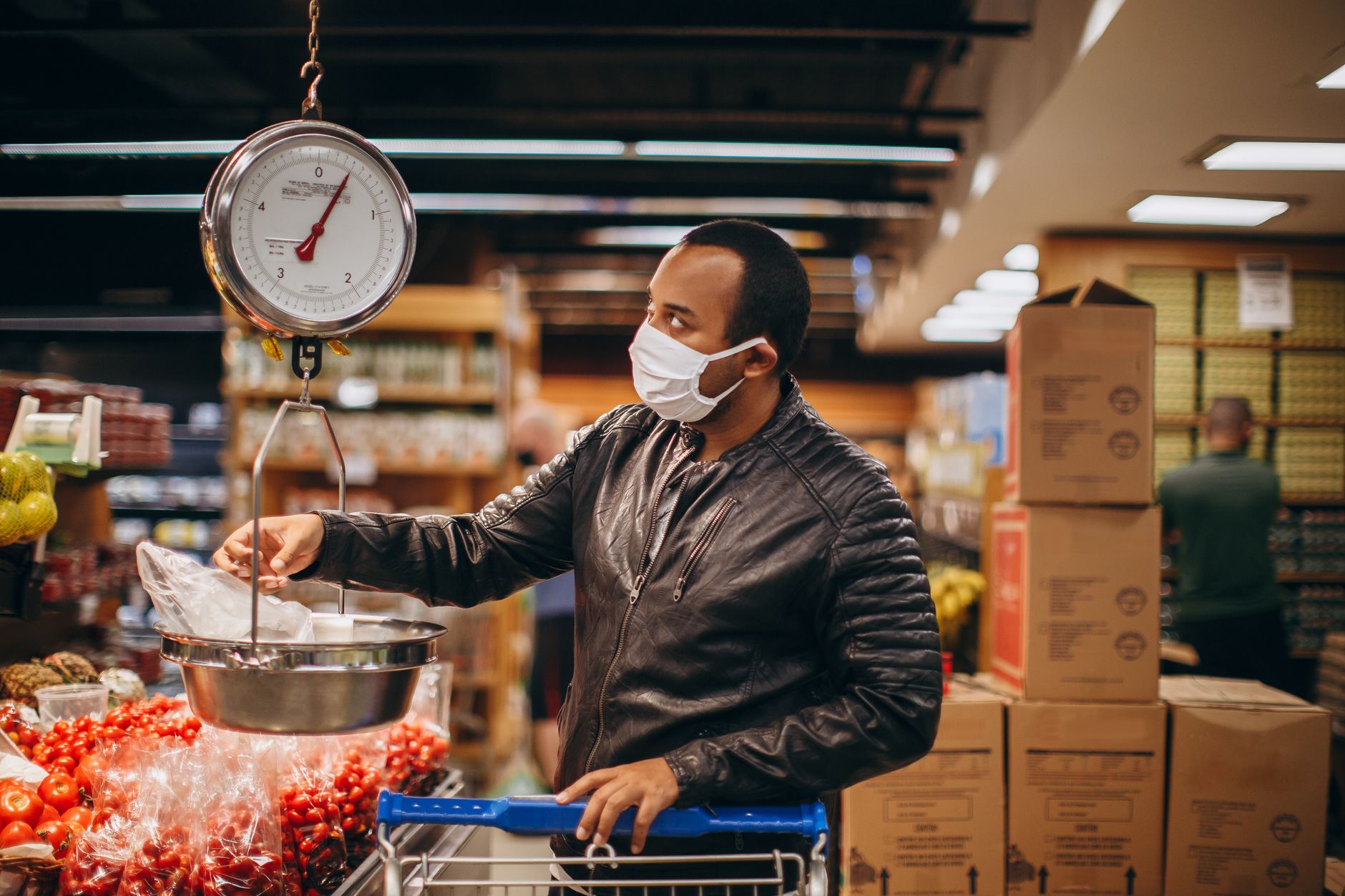
Let's talk about the star of this inflationary nightmare: tomatoes. Yes, those juicy, versatile beauties that make everything from tacos to pasta sauces sing. Well, in April, tomato prices decided to go full diva, soaring by nearly 40% year over year.
Forty percent! That's not a small bump; that's a mountain. Suddenly, that caprese salad is looking a lot more like a luxury item.
And your salsa? Prepare for it to cost extra, or get ready to DIY with some serious sticker shock.
Now, you might be thinking, "Why tomatoes? What did they do to deserve this kind of price hike?" It's a complex web of factors, honestly.
We've got climate change playing its usual villain role, messing with growing seasons and yields. Then there are those pesky supply chain issues that seem to pop up like whack-a-moles. Labor costs, transportation - it all adds up.
And when one key ingredient like tomatoes decides to go rogue, it has a ripple effect across the entire produce section and beyond.
But it's not just tomatoes staging a hostile takeover of your grocery budget. Oh no, the inflation monster has a whole posse. Beef prices also continued their upward trajectory, making those backyard burgers and Sunday roasts a tougher sell. Anyone else suddenly considering a vegetarian cookbook? It's not a bad idea, honestly, given the current economic climate.
And let's not forget about coffee. Our beloved morning elixir, the fuel that powers productivity and sanity. Coffee prices have also been percolating upwards. It's like the universe is conspiring to make sure our mornings start with a jolt of both caffeine and financial anxiety. Maybe it's time to dust off that old French press and become our own at-home baristas, if only to save a few pennies.
This isn't just about a few cents here and there; this is about the cumulative effect on household budgets. For many families, every dollar counts, and these rising food costs are forcing tough decisions. Do you cut back on dining out? Do you opt for cheaper ingredients? Do you become a master coupon clipper? The mental load of constantly scrutinizing prices and making trade-offs is real, and it's exhausting.
Food at home, which is what the BLS tracks for these reports, is the core of our daily existence. It's breakfast, lunch, and dinner. It's the snacks for the kids, the ingredients for meal prep, and the treats for a special occasion. When the cost of these essentials goes up, it impacts everything. It reduces discretionary spending, making it harder to save for big goals or even just enjoy a night out.
And let's be real, the inflation narrative has been a rollercoaster. One minute, we're being told things are cooling down. The next, we're hit with news like this.
It creates a sense of uncertainty and financial anxiety that permeates daily life. It's hard to plan when the cost of basic necessities keeps fluctuating unpredictably. This constant flux keeps consumers on edge, and businesses are feeling it too, struggling to balance their own rising costs with consumer price sensitivity.
When grocery prices surge, it inevitably puts pressure on restaurants. Think about it: if the cost of tomatoes for your home kitchen goes up 40%, imagine what that number looks like for a restaurant that buys them by the hundreds of pounds. These increased input costs mean restaurants have some tough choices to make.
Do they absorb the costs, eating into their already thin profit margins? Do they raise menu prices, risking alienating customers who are already feeling the pinch at the grocery store?
Many restaurants are in a bind. They want to provide quality food and a great experience, but they also need to stay afloat. This often leads to creative menu adjustments: perhaps a different type of tomato, smaller portions, or even temporarily removing popular dishes that rely heavily on expensive ingredients. It's a delicate dance between maintaining quality, managing costs, and keeping customers happy.
And it's not just the direct cost of ingredients. Restaurants also face rising labor costs, increased rent, and higher utility bills. These all contribute to the overall operational expenses. So, when you see a slight price increase on your favorite dish, remember that it's rarely just about one ingredient; it's a reflection of a multitude of economic pressures that restaurant owners are navigating daily.
So, what's a savvy consumer to do in this inflationary landscape? Adaptation is the name of the game. For starters, embracing seasonal eating can be a game-changer. When produce is in season, it's typically more abundant and less expensive. This might mean swapping out those pricey winter tomatoes for something else, like roasted red peppers or sun-dried tomatoes, which might offer a better value.
Meal planning is another superpower. Going into the grocery store with a solid list and a plan for the week can help reduce impulse buys and guide you towards more budget-friendly ingredients. Try to incorporate more plant-based meals, which tend to be more cost-effective than meat-heavy ones. Lentils, beans, and chickpeas are protein powerhouses that won't break the bank.
Don't forget about sales and loyalty programs. Many grocery stores offer weekly deals and personalized discounts through their apps or loyalty cards. Taking advantage of these can lead to significant savings over time. And while it might seem old-fashioned, clipping coupons (yes, they still exist!) can also add up, especially for staples and non-perishable items.
Another strategy is to buy in bulk for certain non-perishable items when they're on sale. Things like rice, pasta, canned goods, and frozen vegetables can be excellent bulk buys, offering a lower cost per unit. Just make sure you have the storage space and that you'll actually use them before they expire.
And finally, consider growing your own. Even a small container garden on a balcony can provide fresh herbs and a few vegetables, like cherry tomatoes, reducing your reliance on grocery store prices. It's not only a cost-saving measure but also a rewarding hobby that connects you more directly with your food.
This spike in grocery inflation isn't happening in a vacuum. It's part of a larger economic narrative that includes interest rate hikes, global geopolitical events, and shifts in consumer spending habits. The Federal Reserve has been working to tame inflation, but some sectors, like food, seem to be more stubborn than others. This kind of persistent inflation erodes purchasing power and can impact consumer confidence.
For policymakers, this news presents a challenge. Balancing efforts to control broader inflation with the immediate impact on household food budgets is a tightrope walk. There's always the risk that aggressive measures to cool the economy could lead to job losses, creating a different set of financial anxieties for consumers.
Businesses, particularly those in the food supply chain, are also under pressure. They're trying to anticipate future costs, manage inventory, and maintain profitability in a volatile market. This uncertainty can make long-term planning difficult and may lead to less investment and innovation in some areas. It is truly a dynamic, and often frustrating, environment for everyone involved.
Predicting the future of food prices is like trying to catch smoke. While economists and analysts provide forecasts, so many variables can throw a wrench into the works. Will global weather patterns stabilize? Will supply chains become more resilient? Will new agricultural technologies emerge to boost yields and lower costs? All these factors play a role.
For now, it seems like consumers should prepare for continued vigilance at the grocery store. The era of mindlessly tossing items into the cart might be largely behind us. Instead, we're in an age of intentional shopping, seeking value, and making informed choices about where our food dollars go.
It's also a reminder of the interconnectedness of our global food system. A drought in one region, a labor dispute in another, a shipping container stuck in a canal - each of these seemingly isolated events can contribute to the price you pay for your pasta sauce or your morning coffee. Understanding this complexity can help us approach our grocery lists with a bit more context, even if it doesn't make the prices any less painful.
Sources and methodology
Reported from the public datasets below.
More from the Foodie Pundit Newsroom
- The $233 Billion Slice: How Pizza Quietly Conquered the Global Palate
- Uncle Sam Wants YOU... To Grill: Kraft Heinz Goes All In For America250
- Smart Farms Deploy Sensors and Automation to Secure the Commercial Food Supply
- Chipotle Rethinks Fast Casual Desserts with Sweet Quesadilla Expansion
- Grocery Giants Kroger and Albertsons Face New Legal Heat Over Blocked $25B Merger Fees