The Meat Monopoly Crack-Up: Why the Agri Stats Pork Settlement Matters for Your Plate
A Minnesota federal judge has called off a major pork price-fixing trial after the final defendant, data giant Agri Stats, reached a settlement with plaintiffs.
By Foodie Pundit Newsroom - Published - Updated - Section: Policy Regulation
Key points
- Agri Stats reached a 'settlement in principle,' effectively canceling a massive federal antitrust trial in Minnesota.
- The lawsuit alleged that Agri Stats acted as a data hub that allowed major pork producers to collude on pricing and production.
- While corporate defendants avoid a public trial, the settlement signals a major win for transparency in the food supply chain.
- Independent restaurants stand to benefit most from potential price stabilization as the 'information exchange' model is dismantled.
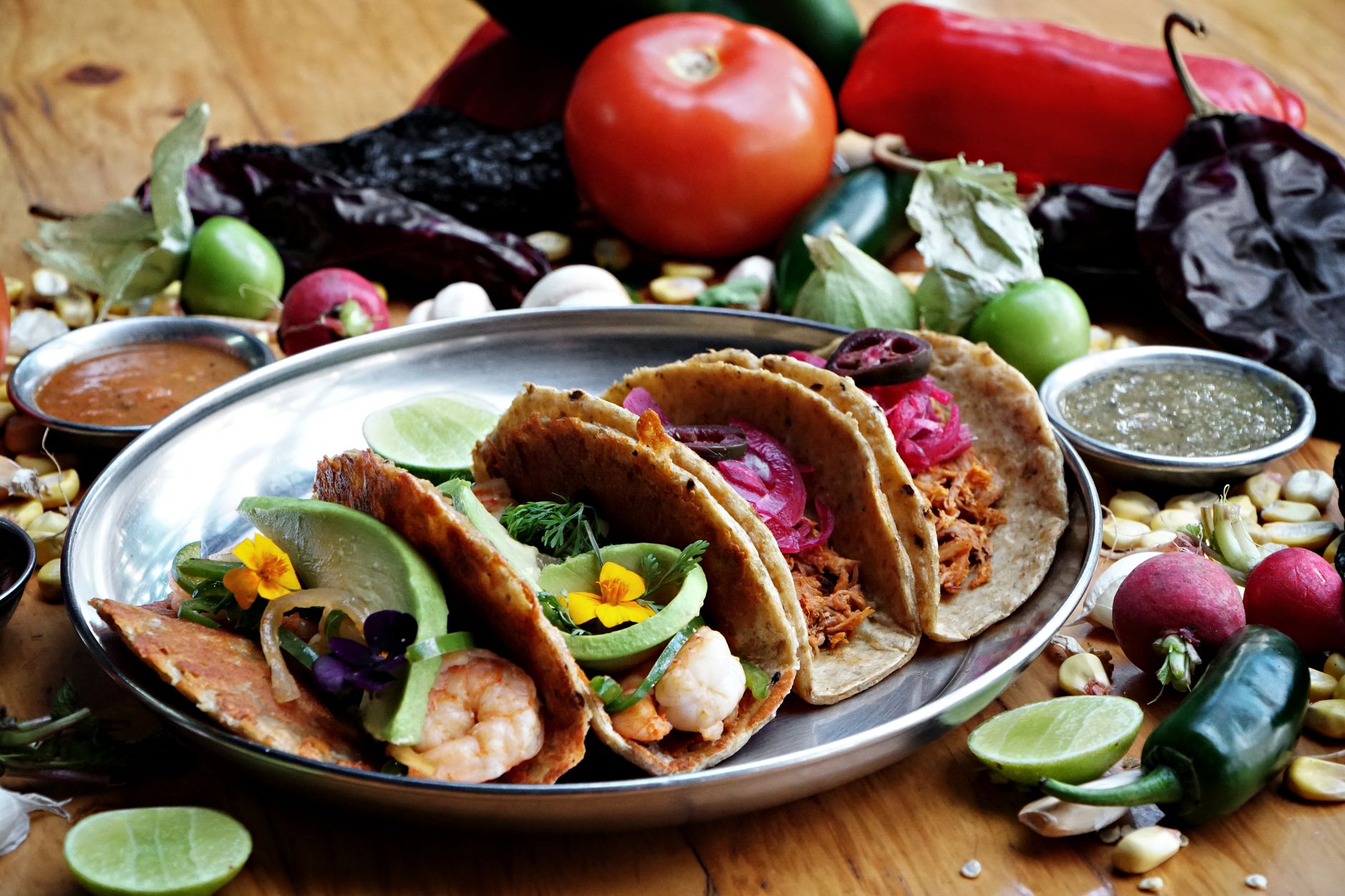
If you have noticed that your morning bacon or your weekend carnitas tacos have been costing a lot more lately, you are not just imagining it. While everyone has been blaming general inflation, a massive legal battle has been brewing in the background. We are talking about a high stakes antitrust showdown that just hit a major turning point in a Minnesota federal court.
For years, the pork industry has been under fire for alleged price fixing. The big players were accused of working together to keep prices artificially high, effectively making sure that consumers and small businesses paid a premium for every pound of pork. At the center of this web was a company called Agri Stats Inc. While you might not see their name on a pack of ribs at the grocery store, they are essentially the central nervous system of the industrial meat world.
The news that just broke is massive: Agri Stats has reached a settlement in principle with the remaining plaintiffs. This effectively kills the looming trial that was set to blow the lid off how the industry operates. While the courtroom drama is over for now, the ripple effects are just beginning.
This is not just a win for lawyers. It is a signal that the era of "business as usual" for big meat data might finally be coming to an end. Who Is On The Hook
In this specific chapter of the saga, Agri Stats Inc. is the primary defendant. But to understand why this matters, you have to look at the broader picture. In these types of antitrust cases, Agri Stats is often described as the middleman that makes the collusion possible. They are a data firm that collects incredibly detailed, proprietary information from the biggest meat processors in the country.
Think of it like a secret group chat for the biggest corporations in food. While most companies are supposed to compete by keeping their costs and production numbers secret, the allegations suggest that these companies used Agri Stats to share information that was a little too specific. We are talking about production volumes, pricing, and labor costs. When everyone knows exactly what their "competitors" are doing in real time, the incentive to lower prices to win customers basically disappears.
While other major meat packers had already settled their portions of these massive price fixing lawsuits, Agri Stats was the last one standing in this particular Minnesota trial. By settling, they have avoided a public trial where internal emails and data sharing practices would have been laid bare for the world to see. They fixed pork prices, how?
The core of the lawsuit is simple but devastating: price fixing. But how do you fix the price of something as massive as the American pork supply? According to the plaintiffs, it was not about a bunch of CEOs meeting in a dark room to pick a number. It was much more sophisticated than that.
The allegations suggest that the defendants used the detailed reports provided by Agri Stats to monitor each other. If one company started to overproduce pork, which would naturally drive prices down for you and me, the other companies would know immediately. They could then exert pressure or adjust their own production to keep the supply tight. By keeping the supply of pork lower than the actual demand, they could ensure that prices stayed high across the board.
In the world of antitrust law, this is what is known as an "information exchange." While sharing general market data is legal, sharing "competitively sensitive" information can be a huge red flag. The plaintiffs argued that the data Agri Stats provided was so granular that it allowed the major pork producers to act like a single monopoly rather than individual competitors. This allegedly led to years of overpricing that impacted everyone from massive supermarket chains to the small local taco truck. Financial Fallout
While the specific financial terms of this settlement are currently "in principle," meaning the final numbers are still being scrubbed by the lawyers, the history of these meat industry settlements suggests the numbers will be staggering. In related cases involving chicken and beef, settlements have reached into the hundreds of millions of dollars.
For Agri Stats, the financial hit is only one part of the problem. The real fallout is the potential destruction of their business model. If the courts or federal regulators decide that this type of data sharing is inherently illegal, the "black box" of the meat industry gets smashed open.
For the plaintiffs, which include massive food distributors and grocery chains, these settlements represent a partial recovery of the billions of dollars they claim were overcharged over the last decade. However, for the average consumer, do not expect a check in the mail for fifty cents. The real financial impact will be seen in whether or not pork prices stabilize now that the industry knows it is being watched by federal judges. Big Tobacco Parallels
There is a reason this feels like a watershed moment. Legal experts often compare these meat industry antitrust cases to the massive litigation against Big Tobacco in the 1990s. For decades, the tobacco industry operated with a specific set of rules until a wave of lawsuits forced them to change how they did business and how they marketed their products.
We are seeing the same thing happen in the food world. For a long time, the way meat was priced was a mystery to everyone except the few giant companies that controlled the supply chain. These lawsuits are pulling back the curtain. They are revealing that the "free market" might not have been so free after all.
Just like Big Tobacco was forced to pay out billions and change their internal cultures, the "Big Meat" companies are finding that the cost of doing business is going up. They are no longer just fighting for market share. They are fighting to prove that they are not a cartel. This settlement by Agri Stats is another domino falling in a long line of legal challenges that are fundamentally reshaping the American food system. Restaurants got screwed, big time
This is where the story gets real for the people who actually cook our food. If you run an independent restaurant, you are the one who has been feeling the squeeze the hardest. Unlike a massive chain like McDonald's or Chipotle, a local bistro or a neighborhood BBQ joint does not have the leverage to negotiate massive contracts with suppliers. They pay the "street price."
When the street price of pork is being manipulated at the top, the independent operator gets hit with a double whammy. First, their food costs skyrocket, which eats into their already razor thin margins. Second, they have to decide whether to raise prices for their customers. If they raise prices too much, people stop coming. If they do not raise prices, the restaurant goes out of business.
The settlement with Agri Stats is a glimmer of hope for the "indies." It signals that the massive data advantages held by corporate giants are being challenged. If the industry moves toward more transparent pricing and more genuine competition, the cost of a pork shoulder or a crate of bacon should, in theory, reflect actual market conditions rather than a data driven strategy to keep prices high.
Transparency is the best friend of the independent chef. When the market is fair, the chef who works harder and manages their kitchen better wins. When the market is fixed, it does not matter how good your food is because you are playing a game you were never meant to win. So, now what happens
So, where do we go from here? Now that the trial has been canceled, the legal teams will work on finalizing the settlement language. This will likely involve a massive payout and potentially some changes to how Agri Stats operates moving forward.
But the story does not end in Minnesota. The Department of Justice has been keeping a very close eye on these cases. In fact, the DOJ has fil
Sources and methodology
Reported from the public datasets below.
More from the Foodie Pundit Newsroom
- Wolfgang Puck Pivots to Virtual Kitchens in Fine Dining Industry Shift
- Grocery Costs Hit Record Levels as Supply Pressures Drive Food Inflation Higher
- Subway Bets Big On Mid-Day Cravings With Nationwide Launch Of Footlong Sidekicks Menu
- Why Are Dates Suddenly Everywhere, and What Does It Mean for Sugar?
- Viral Food Aesthetics Drive Shift In Restaurant Menu Development