THE MILLENNIAL MEAL: HOW A TIKTOK HACK TRANSFORMED INSTANT RAMEN
A viral social media trend has elevated the humble instant noodle into a customizable, near-gourmet experience, reshaping pantry habits and driving unexpected
By Foodie Pundit Newsroom - Published - Updated - Section: Social Virality
Key points
- The TikTok ramen hack revitalized the instant noodle market by repositioning ramen as a customizable ingredient rather than a finished product.
- The trend drove significant, organic sales growth for adjacent products, most notably Kewpie mayonnaise, demonstrating the power of user-generated content in marketing.
- This phenomenon reflects a broader shift in food culture, where trends are increasingly driven from the bottom up by social media users, prioritizing accessibility and personalization over traditional culinary authority.
- The core technique, using Kewpie mayo, egg, and garlic, is a simplified version of classic emulsification methods, making complex flavor accessible to novice cooks.
Instant ramen, long the staple of college dorm rooms and late-night study sessions, has undergone a remarkable transformation. What was once a simple, sodium-laden meal of last resort has become a canvas for culinary creativity, thanks in large part to a viral trend that originated on the social media platform TikTok. This evolution from a utilitarian meal to a customizable, near-gourmet experience is not just a passing fad; it represents a significant shift in consumer behavior, pantry economics, and the very definition of a modern meal.
The phenomenon, often referred to simply as the "TikTok Ramen Hack," is less a single recipe and more a flexible template for culinary improvisation. At its core, the method involves discarding the powdered seasoning packet that accompanies most instant ramen brands. Instead, home cooks create a new, richer sauce base using a consistent set of pantry staples: Kewpie mayonnaise, a Japanese brand known for its richer flavor profile derived from using only egg yolks; a raw egg; minced garlic; and a splash of soy sauce.
These ingredients are whisked together in a bowl, and the hot, cooked noodles and their cooking water are poured directly over the mixture. The heat from the noodles and water gently cooks the egg, emulsifies the mayonnaise, and blooms the garlic, creating a creamy, umami-rich sauce that clings to every strand. The result is a dish with a textural and flavor complexity that far surpasses its humble origins.
The trend’s explosion on TikTok, a platform with over a billion active users, was a case study in digital velocity. Short-form videos, typically under 60 seconds, showcased the simple yet visually appealing process. The sight of steam rising as hot noodle water hit the egg and mayonnaise mixture, followed by the satisfying stir that transformed it into a glossy sauce, proved irresistible to millions.
The accessibility of the ingredients, combined with the low cost of the base product, made it an approachable culinary experiment for a global audience. This wasn’t a complex recipe requiring specialized equipment or expensive, hard-to-find components. It was a democratic upgrade, a small moment of affordable luxury.
The viral nature of the ramen hack has had tangible economic consequences, creating ripple effects across the consumer packaged goods sector. Perhaps the most significant beneficiary has been Kewpie Corporation, the Japanese company behind the eponymous mayonnaise. While already a beloved brand in Japan and among culinary enthusiasts, the TikTok trend propelled Kewpie into the mainstream consciousness in North America and Europe.
Retailers reported a significant uptick in demand for the distinctive soft-squeeze bottle with its red cap. This was not a formal marketing campaign but organic, user-generated-content-driven growth, the kind of brand lift that companies spend millions to achieve. Data from retail analytics firms showed a double-digit percentage increase in Kewpie sales in the months following the trend’s peak, a spike directly correlated with online search interest for "TikTok ramen."
Similarly, the instant noodle market itself, a mature and relatively stable category, saw renewed interest. While a global staple with annual sales exceeding $40 billion, the market in Western countries often battles a perception of being an unhealthy, low-quality option. The ramen hack helped re-contextualize the product. It was no longer just a quick meal but a base for something more elaborate.
This encouraged consumers to see instant noodles not as a finished product but as an ingredient, a platform for personalization. Brands like Nongshim, Maruchan, and Nissin, the titans of the instant noodle industry, indirectly benefited from this renewed engagement. Consumers were not just buying ramen; they were buying it with the intention of participating in a cultural trend, often purchasing other ingredients like soy sauce, chili oil, and sesame seeds at the same time, a phenomenon known in retail as basket expansion.
This shift also reflects a broader change in how younger consumers, particularly Millennials and Gen Z, approach food and cooking. For these generations, who are digital natives, food is not just sustenance; it is content. The visual appeal of a dish is often as important as its taste, and the process of making it is something to be shared and documented.
The TikTok ramen hack was perfectly suited for this environment. It is visually transformative, requires minimal cooking skill, and yields a result that looks impressive on camera. This intersection of food, social media, and personal branding has become a powerful force in shaping dietary trends and purchasing decisions.
Cooking has become a form of entertainment and self-expression, and the kitchen a studio.
A closer look at the core ingredients of the hack reveals why it is so effective from a culinary standpoint. Kewpie mayonnaise is the cornerstone. Unlike American-style mayonnaise, which uses whole eggs and distilled vinegar, Kewpie is made with only egg yolks and rice vinegar.
This results in a product with a higher fat content, a distinctly custardy texture, and a richer, more savory flavor profile. When the hot noodle water is added, the mayonnaise does not break or become oily; it emulsifies, creating a velvety sauce base. The raw egg functions as a classic carbonara-style thickener.
The residual heat is just enough to cook the egg to a safe temperature, adding protein and a creamy consistency that coats the noodles beautifully. It is a technique borrowed from classic Italian and Japanese cooking, now simplified and applied to a mass-market product.
Garlic, a fundamental aromatic in countless cuisines, provides a pungent, spicy counterpoint to the richness of the egg and mayonnaise. Using fresh, minced garlic is key, as its sharp flavor is mellowed but not eliminated by the heat. Soy sauce, another pantry workhorse, provides the essential salty and savory, or umami, foundation.
The combination of these four ingredients creates a complex layering of flavors: the creamy richness of the fat, the sharp bite of the allium, and the deep savoriness of the fermented soybeans. The original seasoning packet, by contrast, is typically a one-dimensional salt bomb, relying heavily on MSG and dehydrated vegetable powders.
Beyond this core quartet, the true genius of the hack is its infinite customizability. Social media platforms are now flooded with variations. Some users add a spoonful of gochujang, the Korean fermented chili paste, for a spicy and slightly sweet kick.
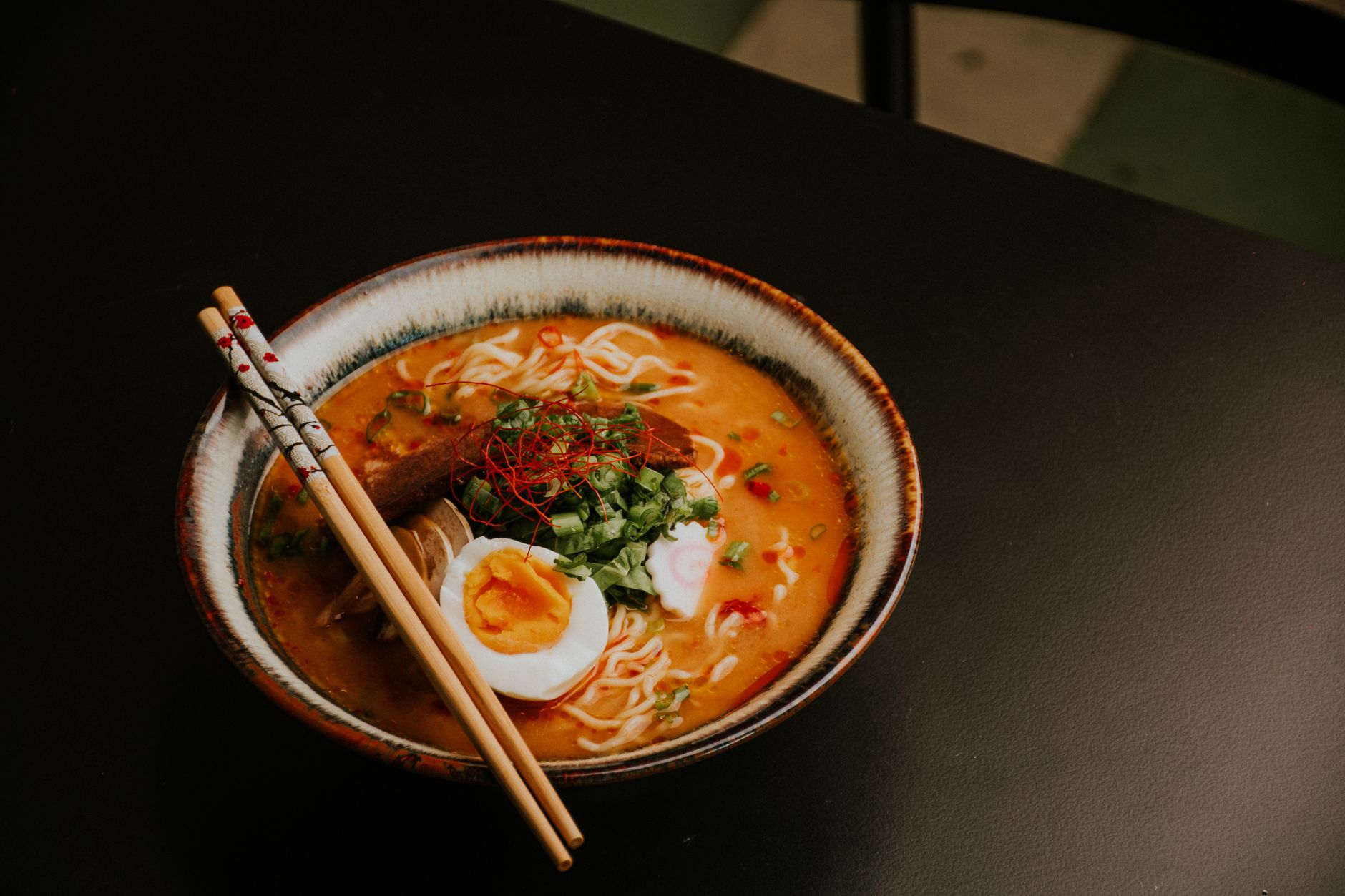
Others drizzle in chili crisp or chili oil for a different kind of heat and a crunchy texture. A dash of sesame oil can add a nutty aroma, while a sprinkle of furikake, a Japanese seasoning blend of seaweed, sesame seeds, and dried fish, can provide textural contrast and an extra layer of umami. Protein additions are also popular, from a simple slice of American cheese melted on top to leftover shredded chicken, sautéed mushrooms, or a perfectly soft-boiled egg.
The instant ramen bowl has become a reflection of the individual’s palate and the contents of their refrigerator.
The TikTok ramen phenomenon did not emerge from a vacuum. It is part of a larger movement towards upgrading and personalizing convenience foods. For decades, home cooks have been "hacking" boxed cake mixes by adding an extra egg or using melted butter instead of oil.
The same principle has been applied to everything from frozen pizza, enhanced with fresh basil and high-quality olive oil, to canned soup, fortified with leftover vegetables and a swirl of cream. This desire to elevate the everyday is a response to both economic and cultural pressures. In an era of rising food costs and time scarcity, the ability to create a satisfying, semi-homemade meal that feels special without requiring significant effort or expense holds
Here is our own number, for whatever the headlines are doing. Across 18,982 menu readings we logged in 387 cities, the middle price for a restaurant plate sits at $9.00. We logged those prices ourselves, so that middle number is the one we trust over any average quoted elsewhere.
Sources and methodology
Reported from the public datasets below.
More from the Foodie Pundit Newsroom
- Plant Street Market to Welcome New Mediterranean Dining Concept in Winter Garden
- Grocery prices are stuck high even as inflation slows
- NYC Restaurant Landscape Shifts As Rising Costs Drive High-Profile Closings And New Openings
- National Chains Trim Footprints as Inflation and Debt Costs Squeeze Restaurant Operators
- That Extra Dollar For Butter? Here's Where It's Going