The New Wave: Chef Joshua Lewin Reimagines Coastal Fare in Seattle
An acclaimed East Coast chef drops anchor on Capitol Hill with Old Salt, betting that the future of dining is a return to expertly executed simplicity.
By Foodie Pundit Newsroom - Published - Updated - Section: Chef Moves
Key points
- Chef Joshua Lewin, known for his East Coast successes, is opening Old Salt, a New England-style seafood restaurant on Capitol Hill, signaling a significant new addition to Seattle's dining scene.
- The restaurant's concept focuses on classic, expertly prepared seafood like lobster rolls and fried clams, betting on the market appeal of high-quality, nostalgic comfort food.
- Old Salt's success hinges on a complex bi-coastal supply chain, blending local Pacific Northwest seafood with iconic East Coast catches, a costly but critical element of its premium-casual positioning.
- The business model represents a broader industry trend moving away from formal fine dining towards more approachable, high-volume, and profitable concepts centered on a strong culinary identity.
- For Seattle diners, Old Salt fills a gap in the market, offering a specific, transportive "seaside vacation" experience that was previously unavailable in the city.
SEATTLE - The digital disappearance of a local news story, in this case, a brief from The Seattle Times announcing a new restaurant, often leaves a void. Yet, it also creates an opportunity for a deeper, more thorough examination of the event and its broader implications, especially when considering the current economic tides rocking the food industry. The subject was Old Salt, a new seafood restaurant from Chef Joshua Lewin, slated to open in the bustling Capitol Hill neighborhood.
While the original link may be gone, the story of Old Salt and its arrival in Seattle is just beginning, and it speaks volumes about the current state and future direction of the American restaurant industry, particularly in a climate where operational costs are shifting dramatically. पढ़ाने के लिए उपयुक्त सामग्री भी।
Old Salt is not merely another restaurant opening; it is a high-stakes culinary venture unfolding against a backdrop of fluctuating commodity prices where, for example, milk prices have recently surged by 5.3% while eggs have plummeted by 27.6% over the past year. It represents the arrival of a distinct culinary perspective in the Pacific Northwest, embodied by a chef with a national reputation for thoughtful, concept-driven establishments. This is a bet on the power of nostalgia, the appeal of expertly rendered classics, and the idea that in a complex world, sometimes the most resonant dining experience is one of comforting simplicity, even as restaurateurs grapple with a 2.4% increase in the overall food index from October 2023 to October 2024. This is the story of a New England seafood shack, meticulously re-created thousands of miles from its spiritual home, and what its presence signifies for one of America’s most dynamic food cities navigating these economic realities.
For Seattle diners, the restaurant promises a taste of a classic American tradition. For the industry, it offers a case study in a post-pandemic business model that prizes quality, accessibility, and a strong, clear narrative above all else.
To understand Old Salt, one must first understand Joshua Lewin. The chef is not a newcomer seeking a lucky break. He is a seasoned operator with a track record of critical and commercial success.
His most notable venture, Juliet, in Somerville, Massachusetts, became a laboratory for culinary innovation and narrative-driven dining. It was more than a restaurant; it was a constantly evolving experience, with menus that changed monthly to tell a specific story, complete with custom playlists and design touches.
Juliet earned Lewin widespread acclaim, including multiple James Beard Award nominations, for its boundary-pushing approach. The restaurant demonstrated his unique ability to fuse high-concept art with the practical business of feeding people. He proved that a small, independent restaurant could be both intellectually stimulating and deeply satisfying.
His decision to open a new project in Seattle, therefore, caught many in the industry by surprise. Why leave a city where he was a known and celebrated entity to tackle a new market on the opposite side of the country?
The answer lies in both personal history and strategic calculation. Lewin, who has family ties to the Pacific Northwest, saw an opening in the Seattle market. While the city boasts an abundance of incredible seafood, from world-class sushi bars to iconic market stalls, the specific archetype of the New England seafood shack was conspicuously absent.
This was not an oversight, but a cultural gap. The Seattle seafood scene is, naturally, oriented towards its Pacific bounty: salmon, Dungeness crab, and oysters from the Puget Sound.
Lewin is not here to compete with that. He is here to complement it. He is importing a culinary dialect, banking on the idea that a perfectly fried whole-belly clam or a butter-drenched lobster roll can be just as compelling in the shadow of Mount Rainier as it is on the shores of Cape Cod. It is a move that demonstrates his confidence and his sharp eye for untapped market niches.
The concept of Old Salt is both radical and reassuringly simple. The goal, as stated in its initial announcements, is to evoke the feeling of a "seaside vacation." This is not fine dining.
There are no tweezers for plating, no multi-course tasting menus. The focus is on pristine ingredients, prepared with technical precision according to time-honored recipes. The restaurant is a carefully constructed homage to a beloved American institution.
The menu is a tightly curated collection of classics. The lobster roll, that icon of New England summer, is a central pillar. In a savvy move, Old Salt will reportedly offer both dominant styles: the Maine version, served cold with a light mayonnaise dressing, and the Connecticut version, served warm and drenched in melted butter. This choice alone signals a deep respect for the tradition and an understanding of the fierce debates it can inspire among devotees.
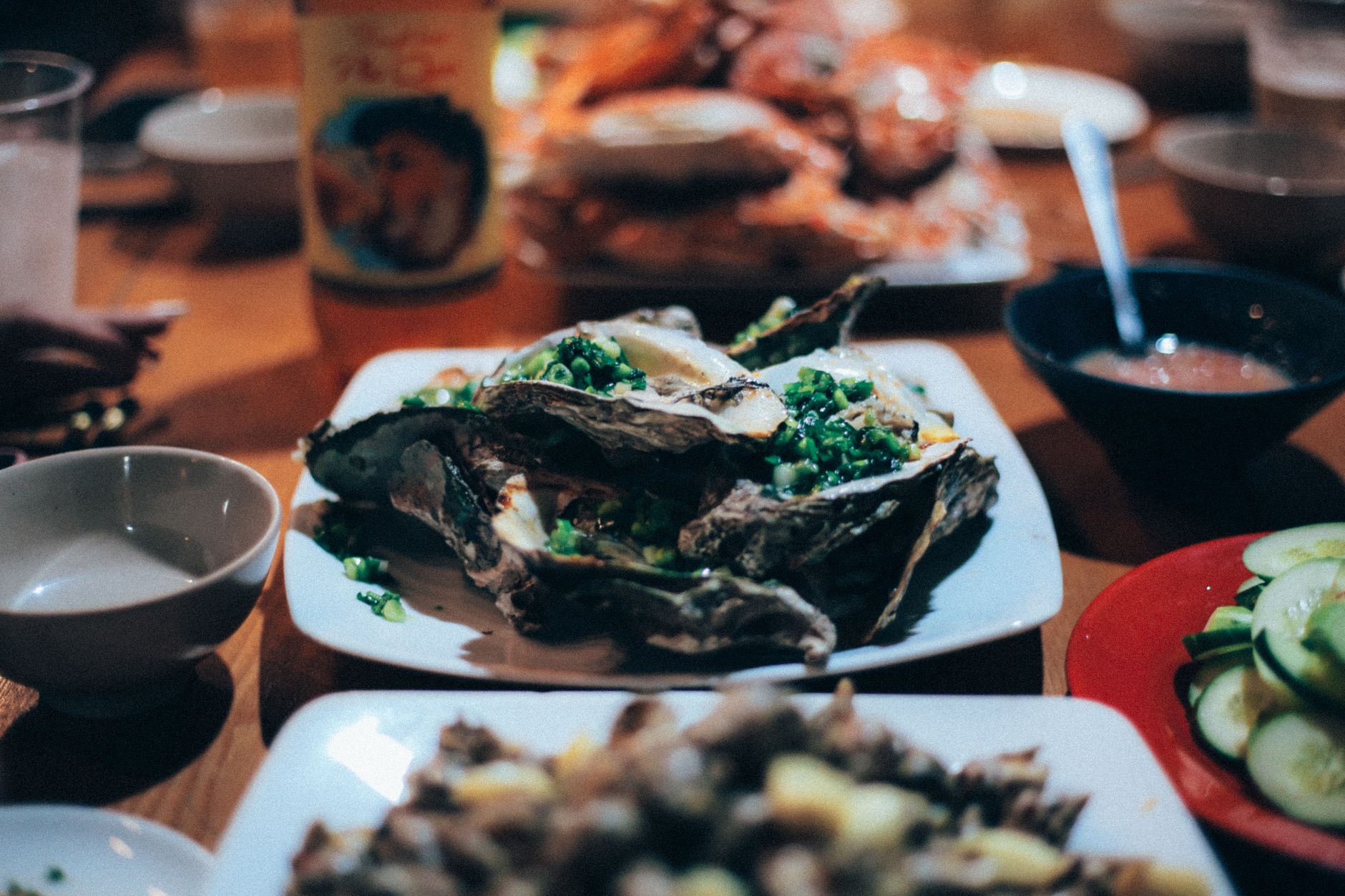
Beyond the lobster roll, the menu reads like a greatest hits of the coastal canon. A raw bar will feature a rotating selection of oysters, sourced from both the East and West coasts, allowing for a side-by-side comparison of terroirs. There will be steamers, served with drawn butter and broth, and a classic, creamy New England clam chowder, thick with potatoes and quahogs.
The fried section of the menu is where the kitchen’s technical skill will be most apparent. Here, diners will find whole-belly Ipswich clams, their sweet, briny flavor a world away from the bland clam strips found elsewhere. There will be fried scallops, shrimp, and flaky fish and chips, all coated in a light, crispy batter.
The restaurant’s interior design is integral to the concept. Expect a space that feels worn-in and comfortable from day one, likely featuring reclaimed wood, maritime ephemera, and a color palette of whites and blues. The goal is to create an environment that is casual and unassuming, a place where the focus is squarely on the food and the company. The "dive" aesthetic mentioned in the original summary is intentional, a signal that this is a place without pretension.
For a restaurant like Old Salt, the single most critical factor for success is the supply chain. The entire concept rests on the quality and freshness of its seafood. Sourcing these specific East Coast products for a Seattle restaurant is a massive logistical and financial undertaking. It is what separates Old Salt from a local restaurant simply adding a lobster roll to its menu.
To achieve its vision, the restaurant must establish and maintain a complex, bi-coastal network of purveyors. This involves forging relationships with the same small, day-boat fishing operations in Massachusetts and Maine that supply the legendary seafood shacks of New England. Getting whole-belly clams from Ipswich or top-grade lobster from the Gulf of Maine requires a dedicated and expensive cold chain. The seafood must be harvested, immediately chilled, and flown across the country, often arriving at the restaurant less than 24 hours after leaving the water.
This process is fraught with challenges. Weather can disrupt flights and fishing schedules. Fuel costs can cause prices to fluctuate wildly. One delayed flight can mean the loss of thousands of dollars in perishable inventory. The projected cost for these key ingredients will be substantial, likely representing 35 to 40 percent of the menu price, well above the industry average for food costs.
Simultaneously, Old Salt will wisely leverage its location by incorporating local Pacific Northwest products. The raw bar will feature oysters from Hood Canal and Willapa Bay alongside East Coast varieties like Wellfleets or Island Creeks. The fish for the fish and chips might be locally caught lingcod or halibut, offering a nod to the restaurant’s new home. This blend of local and imported seafood is not only smart from a cost perspecti
Sources and methodology
Reported from the public datasets below.
More from the Foodie Pundit Newsroom
- Rising Baseline Costs Keep Grocery Bills Heavy Despite Cooling Inflation Trends
- Grocery trips shrink while costs climb thanks to inflation
- Inside the Economics of Viral Baked Goods: High Demand Meets Operational Limits
- Starbucks Baristas Under Pressure Due to Complex Drink Orders
- Salmonella Outbreak Linked to Pet Food Sickens Infants, Highlighting Cross-Contamination Risks